Hamza Sajjad

Male vs Female Pugs: Key Differences in Temperament, Health, and Care
When choosing between a male or female Pug, potential owners must consider various factors, including temperament, size, health risks, and behavior. While male or female share the breed’s signature charm, wrinkled faces, expressive eyes, and playful personalities—there are key differences that can influence your decision.
This in-depth guide explores the physical, behavioral, and health-related distinctions between male and female Pugs. Whether you’re a first-time Pug owner or an experienced enthusiast, understanding these differences will help you select the best companion for your lifestyle.
Physical Differences Between Male and Female Pugs
1. Size and Weight
-
Male Pugs tend to be slightly larger, weighing between 14-18 pounds, with a more muscular build.
-
Female Pugs are generally smaller, averaging 12-16 pounds, with a more refined structure.
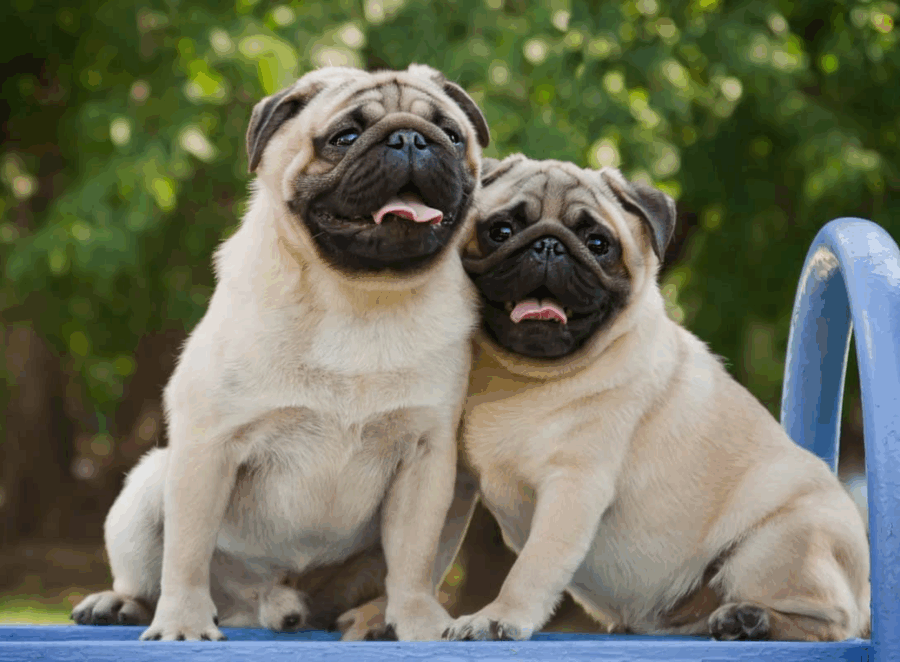
While male and female fall within the breed standard, males often have a stockier appearance, whereas females may look more graceful and compact.
2. Facial and Body Structure
-
Males typically have broader heads and more pronounced wrinkles.
-
Females may have slightly narrower muzzles and a more delicate bone structure.
These differences are subtle but noticeable when comparing the two side by side.
Temperament and Personality Traits
1. Male Pug Temperament
-
More playful and clownish – Males often retain puppy-like energy longer.
-
Attention-seeking – They thrive on constant affection and may follow owners everywhere.
-
Slightly more stubborn – Training may require extra patience due to their independent streak.
2. Female Pug Temperament
-
More independent and reserved – Females can be affectionate but are less clingy.
-
Easier to train – They tend to focus better and respond well to commands.
-
Mood fluctuations during heat cycles – Unspayed females may show behavioral changes.
Which is better? If you want a high-energy, goofy companion, a male Pug may suit you. If you prefer a calmer, more trainable pet, a female could be ideal.
Health Differences and Risks
1. Common Health Issues in Male Pugs
-
Higher risk of obesity – Males are more prone to overeating, leading to joint stress.
-
Prostate problems – Unneutered males may develop benign prostatic hyperplasia (BPH).
-
Urinary stones – They are more susceptible to bladder stones due to anatomy.
2. Common Health Issues in Female Pugs
-
Higher risk of mammary tumors – Unspayed females have increased cancer risks.
-
Pyometra (uterine infection) – A life-threatening condition requiring emergency care.
-
Hormonal mood swings – Heat cycles can cause temporary behavioral changes.
Preventive Care Tips:
-
Neutering/Spaying reduces many health risks.
-
Weight management is crucial for male or female.
-
Regular vet check-ups help catch issues early.
Behavioral Differences: Training and Socialization
1. Training Male vs Female Pugs
-
Males may be more distractible but highly food-motivated.
-
Females often learn commands faster but can be more stubborn when bored.
Pro Tip: Use positive reinforcement (treats, praise) for male or female.
2. Socialization with Other Pets
-
Males can be more dominant, especially around other male dogs.
-
Females are generally more adaptable but may be territorial.
Early socialization is key to preventing aggression in both.
Which Gender is Right for You?
Choose a Male Pug If You Want:
✔ A playful, attention-loving companion
✔ A dog with a goofy, entertaining personality
✔ Willingness to handle occasional stubbornness
Choose a Female Pug If You Prefer:
✔ A slightly more independent but affectionate pet
✔ Easier training and quicker learning
✔ Less clinginess compared to males
Final Verdict: Male vs Female Pug
Both male and female Pugs make excellent pets, but their differences in temperament, health, and behavior should guide your choice.
-
For families with kids: Males may be more playful.
-
For first-time owners: Females might be easier to train.
-
For chief or calm households: Females could be a better fit.
Ultimately, individual personality matters more than gender. Spend time with both before deciding!