Hamza Sajjad
Introduction
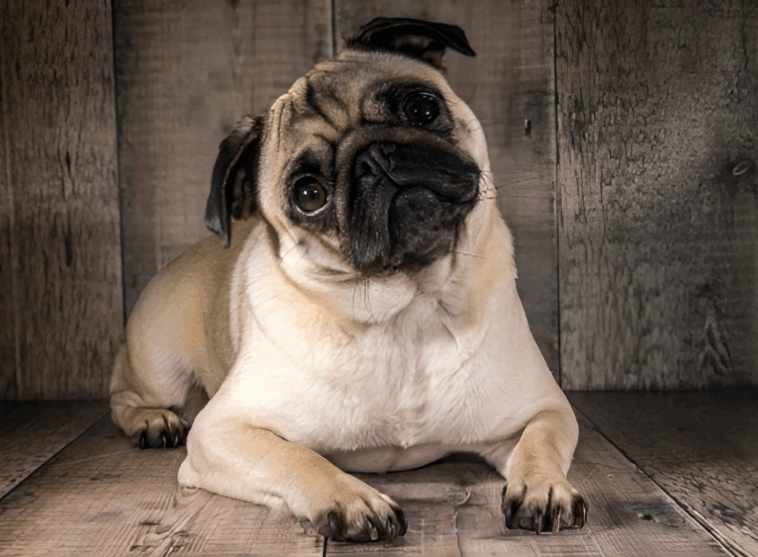
Choosing the right dog for a first-time owner can be overwhelming. With so many breeds available, the Pug often stands out due to its adorable appearance and charming personality. But is a Pug truly the best choice for a novice dog owner?
In this comprehensive guide, we’ll explore every aspect of owning a Pug—from temperament and care requirements to health concerns and training ease. By the end, you’ll know whether this lovable breed is the perfect match for your lifestyle.
Why Pugs Are Popular Among First-Time Owners
Pugs are one of the most popular small dog breeds, and for good reason. Here’s why they often appeal to beginners:
1. Friendly and Affectionate Nature
Pugs are known for their sociable and loving temperament. They thrive on human companionship, making them excellent lap dogs for those who want a loyal pet.
2. Low Exercise Needs
Unlike high-energy breeds, Pugs don’t require intense exercise. A few short walks and indoor play sessions are enough to keep them happy—ideal for apartment living or less active owners.
3. Adaptable to Different Lifestyles
Whether you live in a small apartment or a large house, Pugs adjust well. They’re not overly demanding, making them a great fit for first-time owners.
4. Playful Yet Easygoing
Pugs have a fun-loving personality but aren’t hyperactive. Their clownish antics bring joy without being overwhelming.
Challenges of Owning a Pug as a First-Time Owner
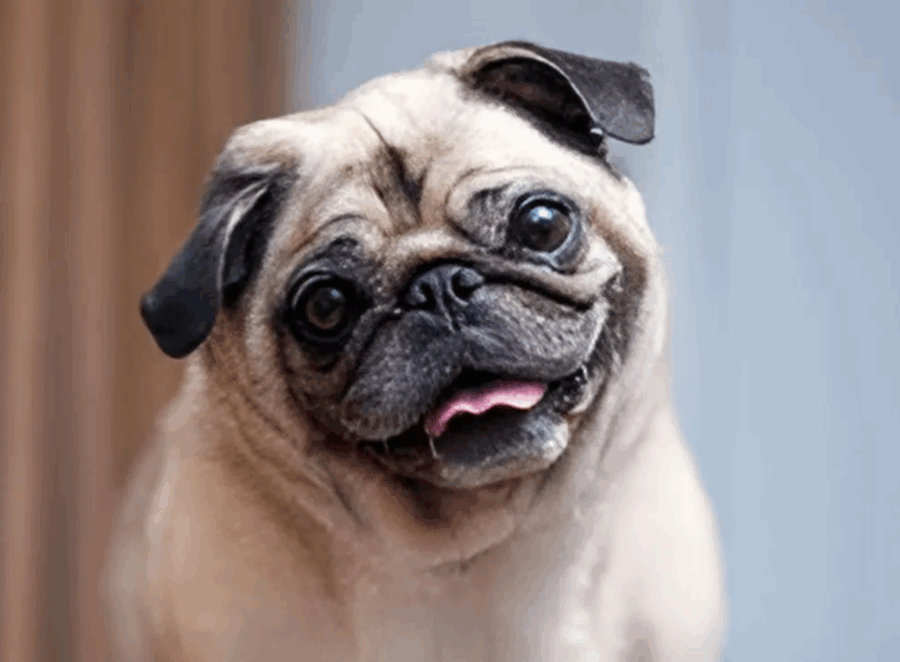
While Pugs have many positives, they also come with unique challenges that beginners should consider.
1. Health Issues
Pugs are a brachycephalic breed (flat-faced), which leads to:
-
Breathing difficulties (snoring, overheating)
-
Eye problems (proptosis, dry eyes)
-
Skin fold infections (due to wrinkles)
-
Obesity risks (they love food!)
First-time owners must be prepared for frequent vet visits and potential medical expenses.
2. Grooming Needs
Despite their short coat, Pugs shed a lot. Regular brushing and wrinkle cleaning are necessary to prevent infections.
3. Stubbornness in Training
Pugs are intelligent but can be stubborn. Housebreaking and obedience training may take patience. Positive reinforcement works best.
4. Separation Anxiety
Pugs form strong bonds with their owners and may suffer from anxiety if left alone for long periods.
Pug Care Guide for First-Time Owners
If you decide a Pug is right for you, here’s how to ensure they stay happy and healthy.
1. Diet & Nutrition
-
High-quality dog food (avoid overfeeding to prevent obesity)
-
Small, frequent meals (helps digestion)
-
Avoid human food (especially chocolate, grapes, and fatty foods)
2. Exercise Requirements
-
Short walks (15-20 minutes, twice daily)
-
Indoor playtime (to prevent overheating)
-
Avoid intense exercise (due to breathing issues)
3. Grooming Routine
-
Brush weekly (to manage shedding)
-
Clean wrinkles daily (use a damp cloth)
-
Regular nail trimming & ear cleaning
4. Training Tips
-
Start early (puppy training classes help)
-
Use treats & praise (Pugs respond well to rewards)
-
Be patient (consistency is key)
Is a Pug Right for You? A Checklist for First-Time Owners
Before bringing home a Pug, ask yourself:
Do I have time for daily grooming and vet care?
Can I handle potential health issues?
Am I home often enough to prevent separation anxiety?
Do I prefer a low-energy dog?
Am I patient with training challenges?
If you answered yes, a Pug could be a fantastic first dog!
Conclusion: Should a First-Time Owner Get a Pug?
Pugs are adorable, affectionate, and low-maintenance in many ways, making them a strong contender for first-time owners. However, their health risks, grooming needs, and stubborn streak require commitment.
If you’re ready for the responsibility, a Pug will reward you with endless love and laughter. But if you prefer a lower-maintenance breed, consider alternatives like Beagles or Cavalier King Charles Spaniels.
Final Verdict: Pugs are great for first-time owners who can handle their quirks—just be prepared for a few challenges along the way!