Hamza Sajjad
Introduction
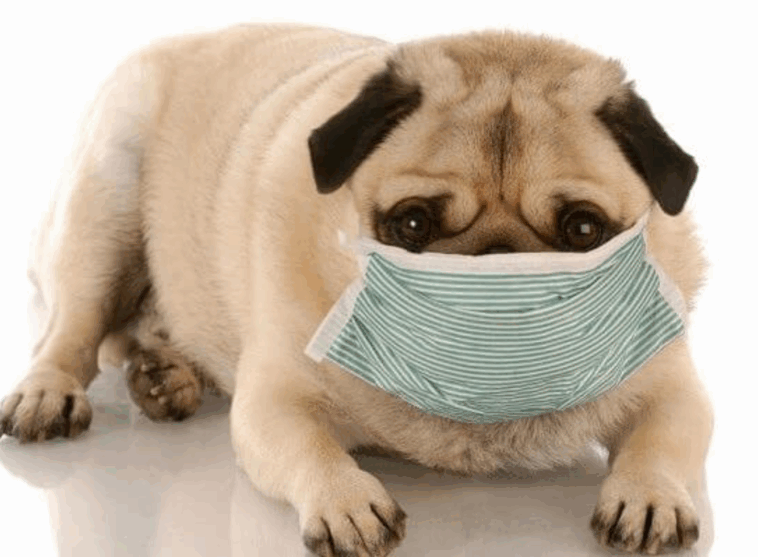
If you’re a pug owner, you’ve probably noticed your furry friend sneezing more than usual. While occasional sneezing is normal, excessive sneezing can indicate underlying health issues. In this comprehensive guide, we’ll explore why pugs sneeze so much, potential health risks, and effective treatments to keep your pup healthy.
Understanding Pug Sneezing: Common Causes
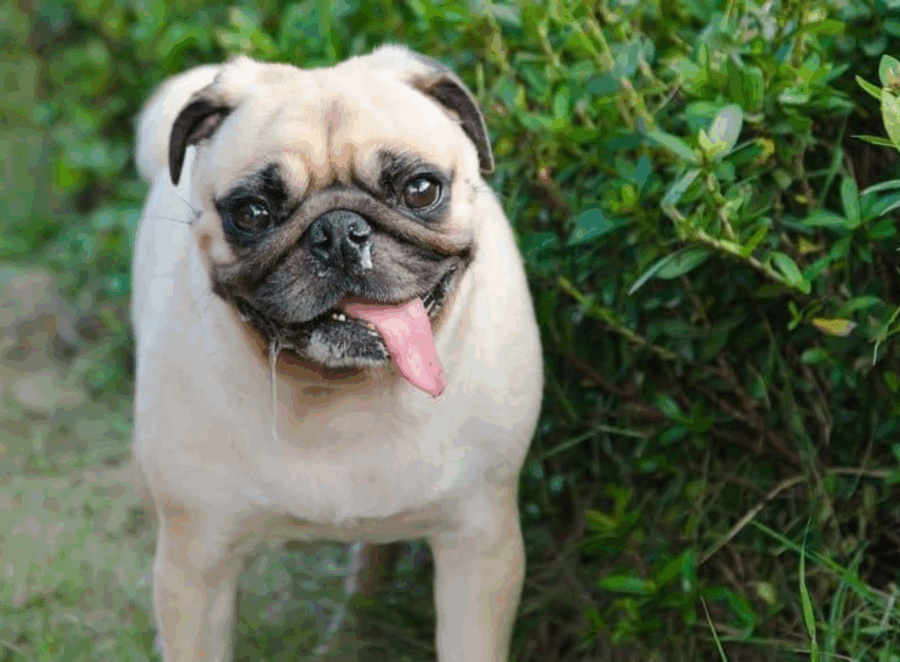
Pugs are a brachycephalic breed, meaning they have short noses and flat faces. This unique anatomy makes them prone to respiratory issues, including frequent sneezing. Below are the most common reasons your pug might be sneezing excessively:
1. Reverse Sneezing (Pharyngeal Gag Reflex)
-
A common issue in pugs, caused by irritation in the throat or soft palate.
-
Sounds like a mix of snorting and gagging.
-
Triggered by excitement, allergies, or sudden temperature changes.
2. Allergies (Environmental or Food-Related)
-
Pollen, dust, mold, and perfumes can irritate a pug’s sensitive nasal passages.
-
Food allergies (e.g., chicken, grains) may also cause sneezing.
-
Symptoms include watery eyes, itching, and skin irritation.
3. Nasal Irritants (Smoke, Perfumes, Cleaning Products)
-
Strong scents and chemicals can trigger sneezing fits.
-
Avoid smoking near your pug and use pet-safe cleaning products.
4. Respiratory Infections (Bacterial or Viral)
-
Kennel cough, canine influenza, or sinus infections lead to sneezing, coughing, and nasal discharge.
-
Requires veterinary treatment (antibiotics or antivirals).
5. Foreign Objects Stuck in the Nose
-
Pugs love sniffing, and small objects (grass, dirt, food particles) can get lodged in their nostrils.
-
Signs: Pawing at the face, nasal discharge, or bleeding.
6. Dental Problems (Tooth Abscess or Infection)
-
Infected teeth can irritate nasal passages due to their close proximity.
-
Look for bad breath, drooling, or difficulty eating.
7. Nasal Mites (Pneumonyssoides Caninum)
-
Tiny parasites that live in a dog’s nasal cavity, causing sneezing, nosebleeds, and head shaking.
-
Diagnosed via nasal swab and treated with antiparasitic medication.
8. Brachycephalic Obstructive Airway Syndrome (BOAS)
-
A serious condition in flat-faced breeds, leading to breathing difficulties, snoring, and excessive sneezing.
-
Severe cases may require surgery to widen nostrils or shorten the soft palate.
When Should You Worry? Emergency Signs
While occasional sneezing is normal, seek immediate veterinary care if your pug shows:
✔ Bloody or thick yellow/green nasal discharge
✔ Difficulty breathing or excessive panting
✔ Loss of appetite or lethargy
✔ Persistent reverse sneezing episodes
How to Stop Your Pug from Sneezing Too Much
1. Keep the Air Clean
-
Use air purifiers to reduce allergens.
-
Avoid strong perfumes, smoke, and aerosol sprays.
2. Manage Allergies
-
Switch to hypoallergenic dog food if food allergies are suspected.
-
Antihistamines (like Benadryl) may help—consult your vet first.
3. Humidify the Air
-
Dry air irritates nasal passages—a humidifier can help.
4. Regular Vet Checkups
-
Ensure dental health and rule out infections or mites.
5. Emergency Techniques for Reverse Sneezing
-
Gently massage your pug’s throat.
-
Cover one nostril to encourage swallowing.
-
Offer a small amount of water.
Final Thoughts: Keeping Your Pug Healthy
Pugs are adorable but delicate dogs that require extra care. If your pug is sneezing excessively, don’t ignore it—early intervention prevents complications. By identifying the cause and applying the right treatments, you can ensure your pug stays happy and sneeze-free!