Hamza Sajjad
Introduction
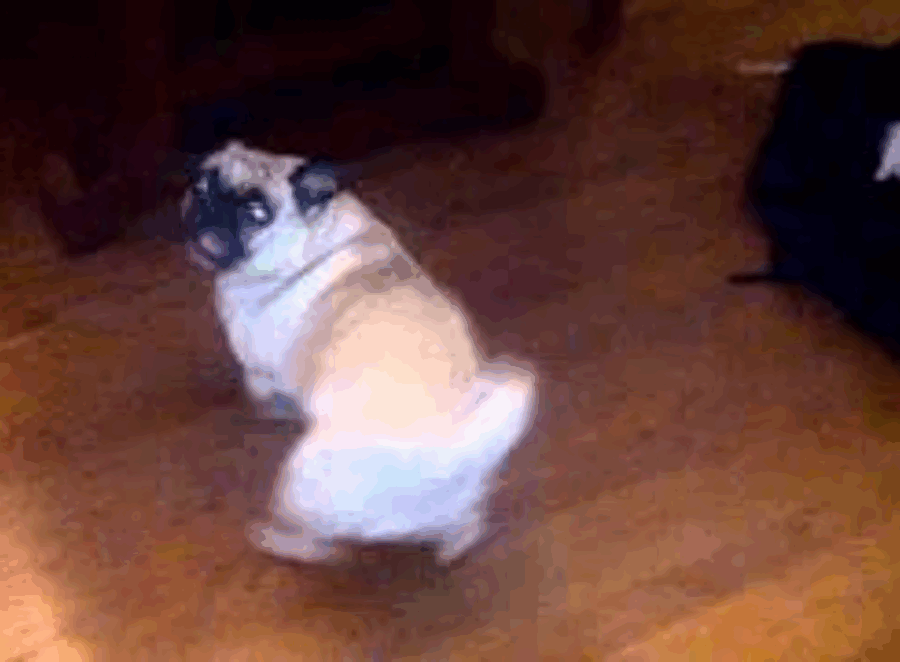
Pugs are one of the most beloved dog breeds, known for their charming personalities and quirky antics. One behavior that often leaves owners puzzled is their tendency to spin in circles. But why do pugs spin in circles? Is it a sign of happiness, anxiety, or something else entirely?
In this comprehensive guide, we’ll explore the scientific, behavioral, and health-related reasons behind this amusing yet mysterious habit. By the end, you’ll have a deep understanding of why your pug engages in this behavior and whether it’s something to encourage or address.
Instinctual Behavior: Tracing Back to Canine Ancestry
Before domestication, wild canines exhibited circling behaviors for survival and comfort. Here’s how this instinct manifests in pugs:
-
Denning Instinct: Wild dogs would circle to flatten grass or leaves before lying down, creating a comfortable sleeping area.
-
Territorial Marking: Circling helps spread their scent, marking their space.
-
Safety Check: Spinning allows them to survey their surroundings for threats.
Even though pugs are far removed from their wild ancestors, these hardwired instincts persist.
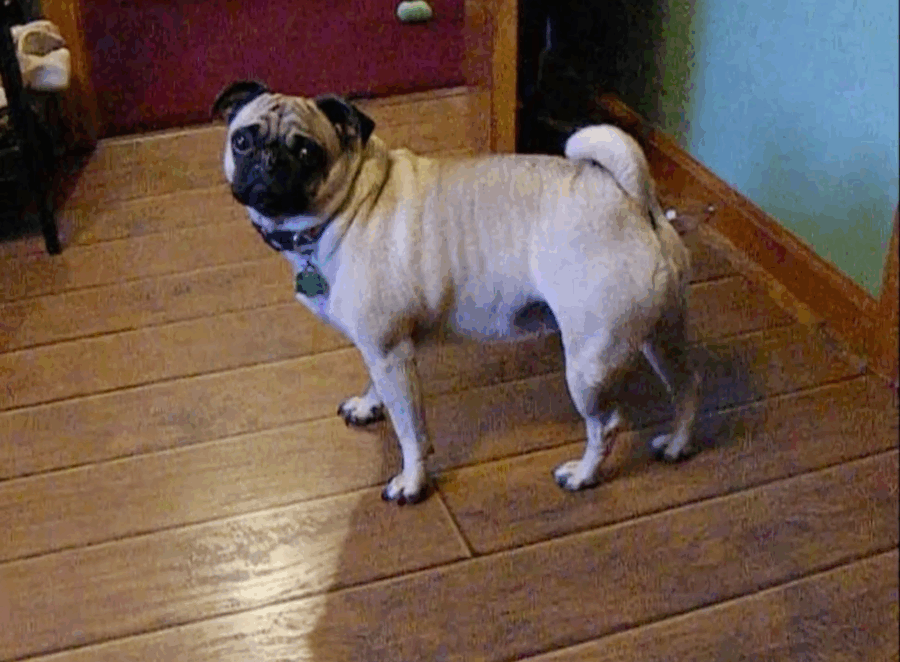
Excitement and Playfulness: The Joyful Spin
Pugs are highly expressive and often spin when overjoyed. Common triggers include:
-
Mealtime Anticipation – Many pugs spin in excitement before eating.
-
Owner’s Return – A happy greeting ritual.
-
Playtime Initiation – Signaling eagerness to engage.
This behavior is harmless and endearing, but excessive spinning could indicate overstimulation.
Anxiety and Compulsive Disorders: When Spinning Becomes a Problem
While occasional spinning is normal, repetitive, obsessive circling may signal underlying issues:
Signs of Anxiety or OCD in Pugs
-
Spinning for prolonged periods
-
Difficulty stopping even when distracted
-
Accompanied by whining or pacing
Common Causes
-
Separation Anxiety – Stress when left alone.
-
Boredom – Lack of mental stimulation.
-
Neurological Conditions – Rare, but possible (e.g., vestibular disease).
If spinning seems compulsive, consult a vet or animal behaviorist.
Medical Reasons: Could Spinning Indicate a Health Issue?
Sometimes, spinning is a red flag for medical problems:
Ear Infections & Vestibular Disease
-
Inner ear imbalances cause dizziness, leading to disoriented circling.
-
Symptoms: Head tilting, loss of balance, nausea.
Cognitive Dysfunction (Dog Dementia)
-
Older pugs may circle due to confusion.
-
Other signs: Disorientation, changes in sleep patterns.
Pain or Discomfort
-
Joint pain (e.g., hip dysplasia) may cause restless pacing.
-
Skin irritations (allergies) can lead to obsessive scratching and spinning.
If spinning is sudden and excessive, seek veterinary advice.
Training and Managing Your Pug’s Spinning Behavior
When to Encourage Spinning
-
As a fun trick (with commands like “spin” or “twirl”).
-
During play as a natural expression of joy.
When to Discourage It
-
If it becomes obsessive or harmful.
-
If linked to anxiety (redirect with toys or training).
Training Tips
-
Use Positive Reinforcement – Reward calm behavior.
-
Provide Mental Stimulation – Puzzle toys, training exercises.
-
Establish a Routine – Reduces anxiety-driven spinning.
Fun Facts About Pugs and Their Quirky Habits
-
Pugs are known for “zoomies” (sudden bursts of energy where they run in circles).
-
Their brachycephalic (flat-faced) structure makes them prone to overheating, so spinning may also be a way to release pent-up energy.
-
Historically, pugs were companions to Chinese emperors, where their playful antics were highly valued.
Final Thoughts: Should You Be Concerned About Your Pug’s Spinning?
In most cases, spinning is a harmless, instinctive behavior—just another adorable pug trait. However, if it becomes excessive or paired with distress signals, it’s worth investigating further.
By understanding why your pug spins, you can ensure they’re happy, healthy, and thriving.