Hamza Sajjad
Introduction: The Noisy Sleep of Pugs
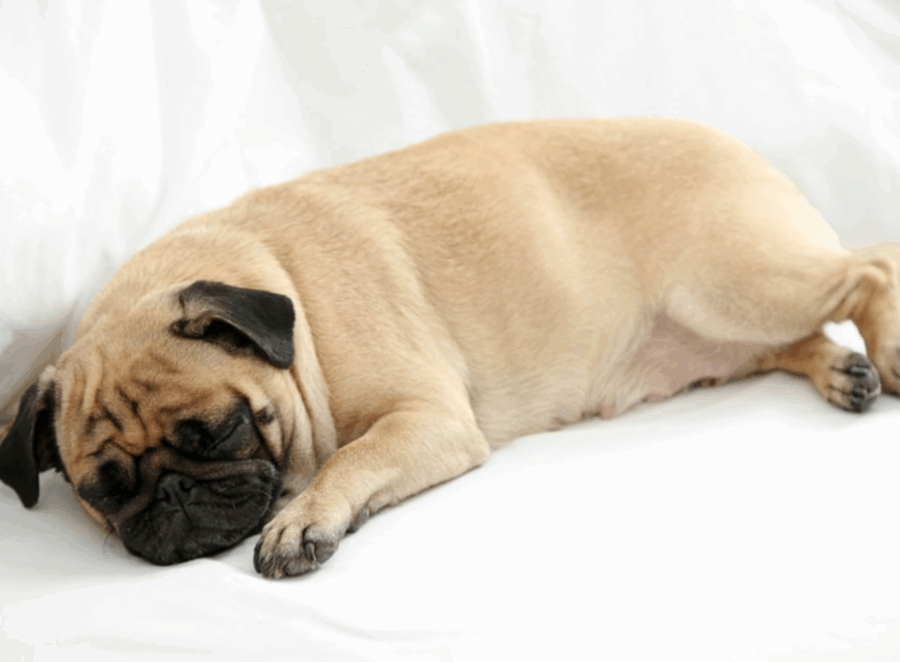
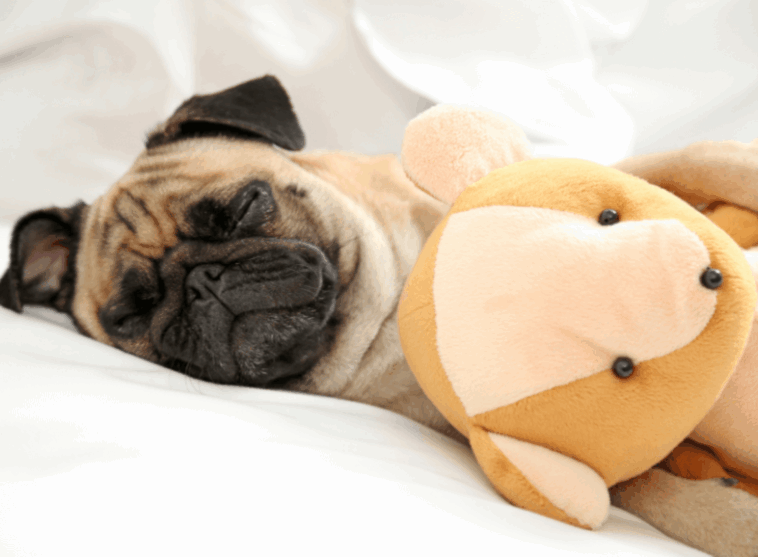
Pugs are highly cute, and their snoring may be funny and alarming at the same time. In case the question of, Why do pugs snore so much? ever arose in your mind, then the answer is all due to its peculiar anatomy, genetic condition, and health variables. This comprehensive resource will cover all the difficulties of the problem of pug snoring, including but not limited to brachycephalic syndrome and sleeping habits, as well as offering practical tips on making your pug breathe freely.
And at the end of this article, you will know:
Anatomical causes of pugs’ snoring
The effect of brachycephalic airway syndrome on breathing: How brachycephalic airway syndrome affects breathing
Dangers of excessive snoring: Health risks. In extreme cases, excessive snoring may result in health risks.
Scientifically tested methods of curbing the snoring of pugs
So, what would the science behind pug snoring be? Let us explore this world a bit deeper and find out.
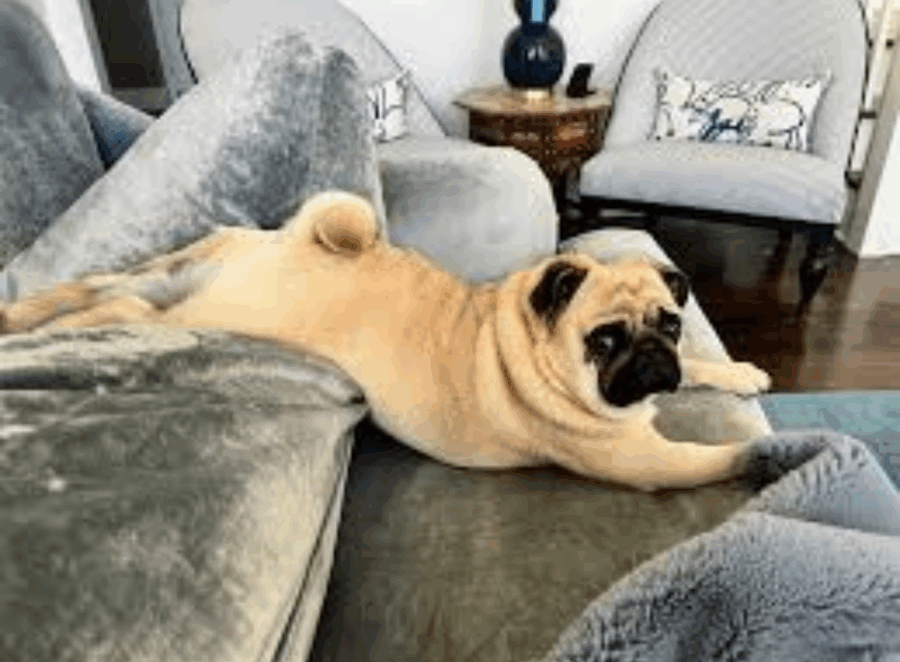
1. The Anatomy of a Pug: Why Their Structure Causes Snoring
Pugs are also in the category of brachycephalic, which implies that they possess a shortened skull and are flat-faced. Although this provides them with their trademark adorable appearance, it also results in some breathing problems:
Anatomical Factors that make people snore:
Stenotic Nares (Narrow Nostrils): The nostrils of the pugs are usually small and pinched, causing difficulties to the breathing process.
Elongated Soft Palate: They have a longer-than-normal soft palate (or the back of the throat tissue), which partly obstructs the airway.
Hypoplastic Trachea: A more narrow windpipe complicates the process of breathing.
Flabby Throat Tissues: Plenty of tissue in the throat vibrates when one goes to sleep, causing snoring.
All these structural characteristics predispose pugs to obstructive breathing, which causes them to snore excessively, grunt regularly and in some cases, they get sleep apnea.
2. Brachycephalic Obstructive Airway Syndrome (BOAS) in Pugs
A sizeable number of pugs are susceptible to BOAS, which is dense in the breed and has a terribly negative effect on breathing. Symptoms include:
Wheezing and loud snoring
Strangled or coughing sounds
Exercise intolerance (panting too much after any little activity)
Regular awakening (because of breathing difficulties)
Severity Level of BOAS:
Grade Symptoms Treatment Needed
Mild Snoring that sometimes occurs, Weight control, and increased sleeping
Moderate Struggling with exercise, and noisy breathing Surgery (fixing of stenotic nares)
Emergency visit: Difficulty breathing due to blue gums, fainting
The timely diagnosis and treatment would greatly enhance the quality of life of a pug.
3. Other Health Conditions That Make Pugs Snore
Contrary to BOAS, many health-related problems may aggravate snoring:
A. Obesity
Being Plump strains the airway of a pug, and this enhances snoring. The ideal weight of pugs: 14-18lbs (depending on size).
B. Allergies & Infections of the respiratory tract
Laws of snoring can also be caused when the nose is plugged as a result of allergies or infections.
C. Sleeping posture
When Pugs sleep on their backs, there is a greater probability of tongue obstruction resulting in snoring.
4. How to Reduce Snoring in Pugs: Effective Solutions
This is not to say that a pug cannot snore, but some of the measures that you could apply to reduce snoring include:
Maintain the Right Weight on Your Pug
It should be fed on a balanced diet.
Do not feed too many treats.
Physical activities (going on short walks, playing).
Sleep in a High Position
Neck-supported orthopedic dog beds.
A small cushion to rest its head.
Humidifier & Air Purifier
Humid air increases humidification of the throat.
Allergens that can cause congestion get filtered.
Options to Surgery in Severe Cases
Widening nostrils (Stenotic Nares Resection).
Soft Palate Trimming (also decreases the obstruction of airways).
No Smoke & heavy perfumes
Nasal passages can be inflamed with irritants.
5. When to See a Vet: Warning Signs
As snoring among pugs is expected, look after your pet and care about him by contacting the vet in case you observe:
blue or pale gums ( oxygen lack )
Choking or coughing constantly
Extremely tired after doing a little sweat
Sudden increase of snoring.
Final Thoughts: Living with a Snoring Pug
The origin of the snoring in the pugs is presented by their brachycephalic morphology, and given some care and attention, you can make them less problematic and the breathing will be better. Feeding your pug to maintain a healthy weight, ensuring good sleep conditions, and contacting a veterinarian when necessary would help you make your dog happy and active.
Pro Tip:
Have you received value out of this guide? Tell your fellow pug owners about it! The greater the knowledge about BOAS and the remedies to snoring, the happier the life of the adorable flat-faced dogs will be.