Hamza Sajjad
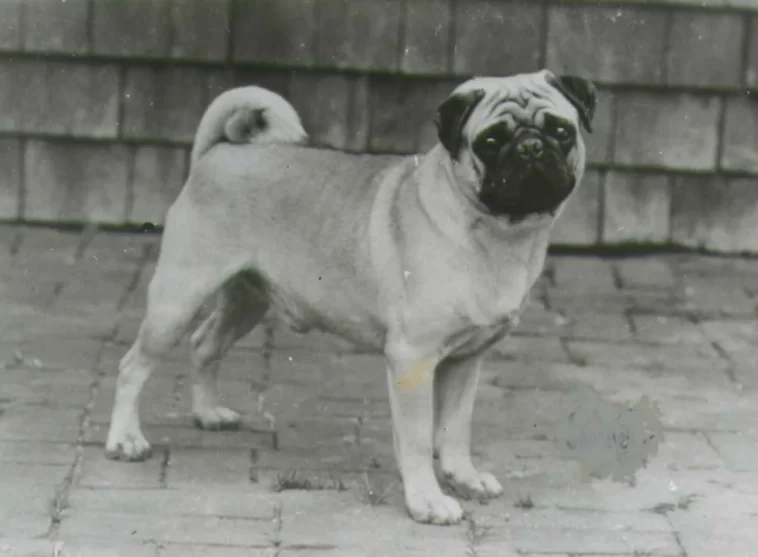
Introduction: The Fascinating Journey of Pugs to America
The Pug, with its distinctive wrinkled face and charming personality, is one of the most beloved dog breeds in America. But when did Pugs first arrive in America? The history of Pugs in the United States is a captivating tale that intertwines with global trade, European aristocracy, and the rise of dog breeding in the 19th century.
In this comprehensive guide, we’ll explore:
-
The origins of Pugs before their arrival in America
-
The first documented Pugs on American soil
-
Their rise in popularity in the U.S.
-
How Pugs became a staple in American culture
By the end of this article, you’ll have a deep understanding of how these adorable dogs made their way to the U.S. and why they remain a favorite today.
The Origins of Pugs: From Ancient China to Europe
Before answering “When did Pugs first arrive in America?”, we must trace their roots.
1. Pugs in Ancient China (Pre-16th Century)
-
Pugs originated in China over 2,000 years ago, bred as companion dogs for Chinese emperors.
-
They were highly valued in the Shang and Han dynasties and lived in luxury.
-
Traders and explorers later brought them to Europe via the Silk Road.
2. Pugs in Europe (16th–18th Century)
-
By the 1500s, Pugs became popular among European nobility.
-
They were favored by Dutch royals and even saved William the Silent of Orange from assassins.
-
In the 18th century, Pugs became a symbol of wealth in England and France.
This European connection played a crucial role in their eventual journey to America.
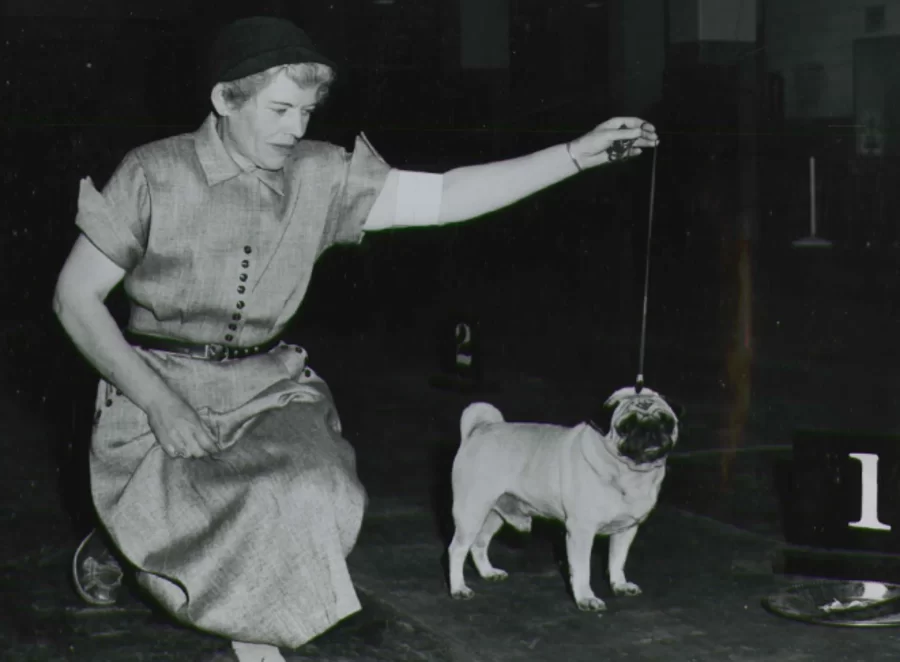
When Did Pugs First Arrive in America? The 19th Century Migration
The exact date of the first Pug’s arrival in America is debated, but historical evidence points to the early 19th century.
1. Early 1800s: The First Pugs in the U.S.
-
The first documented Pugs likely arrived with European immigrants in the early 1800s.
-
Wealthy Americans traveling to England and France brought Pugs back as foreign pets.
-
By the mid-1800s, Pugs began appearing in American dog shows.
2. The American Kennel Club (AKC) Recognition (1885)
-
The AKC was founded in 1884, and Pugs were officially recognized in 1885.
-
This formal recognition boosted their popularity among American dog enthusiasts.
3. Late 19th Century: Pugs in High Society
-
Wealthy families, including the Vanderbilts and Astors, owned Pugs.
-
Their small size and affectionate nature made them ideal lap dogs for elite households.
The Rise of Pugs in 20th Century America
The 1900s solidified the Pug’s place in American culture.
1. Early 1900s: Breed Standardization
-
The Pug Dog Club of America (PDCA) was established in 1931 to promote responsible breeding.
-
Breed standards were refined, ensuring consistent appearance and temperament.
2. Post-WWII Popularity Boom
-
After WWII, suburbanization led to a surge in small dog ownership.
-
Pugs became a family favorite due to their playful yet low-maintenance nature.
3. Pugs in Pop Culture (1980s–Present)
-
Movies like “Men in Black” (1997) featuring Frank the Pug skyrocketed their fame.
-
Celebrities such as Gerard Butler and Paris Hilton have owned Pugs, further boosting demand.
Why Are Pugs Still Popular in America Today?
1. Perfect Companion Dogs
-
Pugs are loyal, affectionate, and great with kids, making them ideal pets.
2. Social Media & Internet Fame
-
Viral Pug accounts (like Doug the Pug) have millions of followers.
-
Their expressive faces make them meme-worthy.
3. Adaptability to Urban Living
-
Their small size suits apartment living, a growing trend in U.S. cities.
Conclusion: The Enduring Legacy of Pugs in America
So, when did Pugs first arrive in America? While the exact date is unclear, evidence suggests the early 1800s, with their popularity exploding in the late 19th and 20th centuries.
From Chinese emperors to Hollywood stars, Pugs have charmed their way into American hearts. Today, they remain one of the top 30 most popular dog breeds in the U.S., proving their timeless appeal.
Want to Own a Pug?
If you’re considering adding a Pug to your family, research reputable breeders or adoption centers to ensure a healthy, happy pup!