Hamza Sajjad

Introduction: The Joy and Challenges of Adopting a Rescue Pug
Adopting a rescue Pug is a rewarding experience, but it comes with unique challenges. These lovable, wrinkly-faced dogs often have unknown histories, which means they may require extra care, patience, and understanding. Whether you’re a first-time Pug owner or an experienced dog lover, knowing what to expect from a rescue Pug will help you provide the best home possible.
In this comprehensive guide, we’ll cover:
-
The temperament and personality of rescue Pugs
-
Common health issues and how to manage them
-
Behavioral challenges and training tips
-
Diet, exercise, and grooming needs
-
The emotional journey of rehabilitating a rescue Pug
By the end, you’ll be fully prepared to welcome your new furry friend with confidence!
Understanding the Temperament of a Rescue Pug
Pugs are known for their affectionate, playful, and sometimes stubborn personalities. However, rescue Pugs may exhibit different behaviors due to past trauma or neglect.
Key Personality Traits:
-
Loyal & Loving – Pugs form strong bonds with their owners.
-
Playful & Silly – They love attention and making people laugh.
-
Stubbornness – Training may require extra patience.
-
Separation Anxiety – Many rescue Pugs fear abandonment.
Behavioral Adjustments:
-
Some may be shy or fearful at first.
-
Others might display food aggression or territorial habits.
-
Positive reinforcement and consistency help build trust.
Common Health Issues in Rescue Pugs and How to Address Them
Pugs are a brachycephalic (flat-faced) breed, making them prone to specific health problems. Rescue Pugs may have untreated conditions, so a vet check-up is crucial.
Major Health Concerns:
-
Breathing Problems (Brachycephalic Syndrome) – Avoid overheating and strenuous exercise.
-
Eye Issues (Dry Eye, Corneal Ulcers) – Regular cleaning and vet visits are essential.
-
Skin Infections (Due to Wrinkles) – Clean folds daily to prevent infections.
-
Hip Dysplasia & Joint Pain – Maintain a healthy weight and provide joint supplements.
-
Dental Problems – Regular teeth brushing prevents decay.
Preventive Care Tips:
-
Schedule annual vet check-ups.
-
Feed a high-quality diet to support immune health.
-
Keep them in a climate-controlled environment.
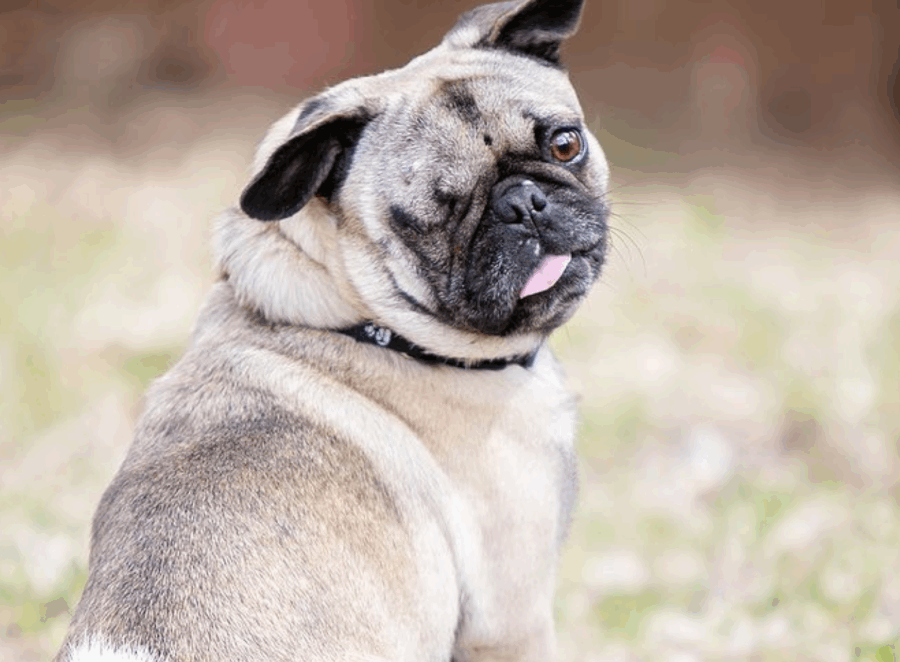
Behavioral Challenges and Training a Rescue Pug
Many rescue Pugs come from uncertain backgrounds, leading to behavioral quirks. Proper training and socialization are key.
Common Behavioral Issues:
-
Housebreaking Difficulties – Be patient; use crate training if needed.
-
Barking or Whining for Attention – Redirect with toys and positive reinforcement.
-
Leash Reactivity – Gradual exposure to other dogs helps.
-
Resource Guarding – Work with a trainer if aggression appears.
Effective Training Techniques:
-
Use reward-based training (treats, praise).
-
Keep sessions short and fun (Pugs have short attention spans).
-
Socialize them slowly with new people and pets.
Diet & Exercise Needs for a Rescue Pug
Pugs love food but are prone to obesity, which worsens health issues. A structured diet and exercise plan are vital.
Best Dietary Practices:
-
High-protein, low-fat meals to maintain a healthy weight.
-
Avoid human food (especially toxic items like chocolate, grapes, and onions).
-
Small, frequent meals to prevent bloat.
Exercise Requirements:
-
Short walks (15-20 mins, twice daily) – Avoid overexertion.
-
Indoor playtime – Puzzle toys keep them mentally stimulated.
-
Swimming (if they enjoy it) – Low-impact exercise for joints.
Grooming Your Rescue Pug: A Must for Health
Pugs shed a lot and need regular grooming to stay comfortable.
Essential Grooming Tasks:
-
Daily wrinkle cleaning (use a damp cloth or pet-safe wipes).
-
Weekly brushing to control shedding.
-
Monthly baths with mild shampoo.
-
Nail trimming every 3-4 weeks.
The Emotional Journey: Helping a Rescue Pug Adjust
Rescue Pugs often need time to trust their new family. Here’s how to ease their transition:
Building Trust:
-
Give them space to explore at their own pace.
-
Establish a routine for feeding, walks, and sleep.
-
Use calming aids (like anxiety wraps or pheromone diffusers) if needed.
Signs of Progress:
-
Initiating play or cuddles.
-
Reduced anxiety when left alone.
-
Responding well to commands.
Conclusion: Is a Rescue Pug Right for You?
Adopting a rescue Pug is a heartwarming but demanding commitment. They bring endless love and laughter but may require extra care due to past neglect. If you’re ready for the responsibility, you’ll gain a loyal companion who will adore you unconditionally.
Ready to adopt? Check local shelters and Pug rescues to find your perfect match!