Hamza Sajjad
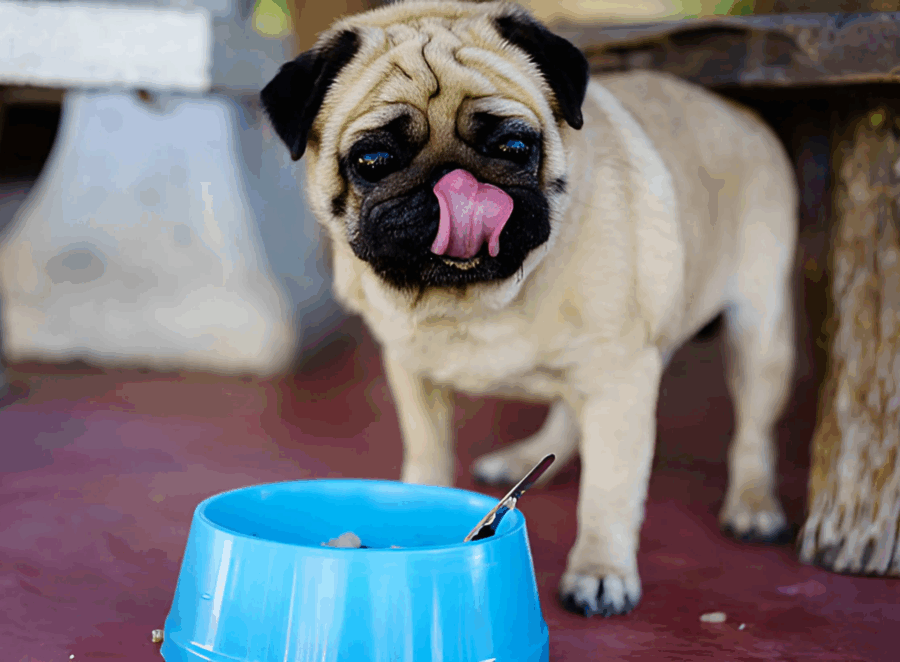
Introduction: Understanding the Best Diet for Your Pug
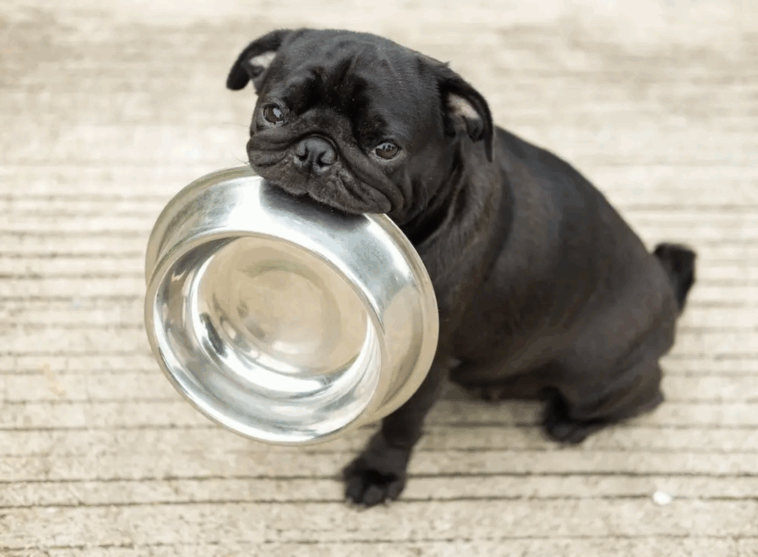
Pugs are charming, playful, and full of personality, but their unique physiology demands special dietary considerations. One of the biggest debates among pug owners is whether wet or dry dog food is better for their furry companions. Both options have pros and cons, and the best choice depends on factors like health, age, weight, and personal preferences.
In this in-depth guide, we’ll explore every aspect of wet vs. dry dog food for pugs, helping you make an informed decision to boost your pug’s health, energy, and longevity.
Nutritional Needs of Pugs: Why Diet Matters
Pugs are a brachycephalic breed (short-nosed), which means they have unique dietary and health challenges:
-
Prone to obesity – Pugs love food and can easily gain weight.
-
Dental issues – Their small mouths and crowded teeth require proper chewing.
-
Digestive sensitivity – Some pugs have food allergies or intolerances.
-
Hydration needs – Their short snouts make drinking water less efficient.
Choosing the right food—wet or dry—can impact their weight, digestion, dental health, and overall well-being.
Wet Dog Food for Pugs: Pros and Cons
Advantages of Wet Food
-
Higher Moisture Content (70-80%)
-
Helps with hydration, especially important for pugs who don’t drink enough water.
-
Reduces risk of urinary tract infections (UTIs) and kidney issues.
-
-
Easier to Chew & Digest
-
Ideal for senior pugs or those with dental problems.
-
Softer texture is gentler on sensitive stomachs.
-
-
More Palatable & Aromatic
-
Picky eaters often prefer wet food due to its strong smell and taste.
-
Great for pugs with low appetite or recovering from illness.
-
-
Lower in Carbohydrates
-
Helps prevent weight gain and diabetes, common in pugs.
-
Disadvantages of Wet Food
-
Shorter Shelf Life
-
Once opened, must be refrigerated and used within 2-3 days.
-
More expensive than dry kibble in the long run.
-
-
Dental Health Concerns
-
Doesn’t provide the mechanical cleaning effect of kibble.
-
May contribute to plaque buildup if not supplemented with dental care.
-
-
Messier to Serve
-
Can stick to a pug’s facial wrinkles, leading to skin infections if not cleaned properly.
-
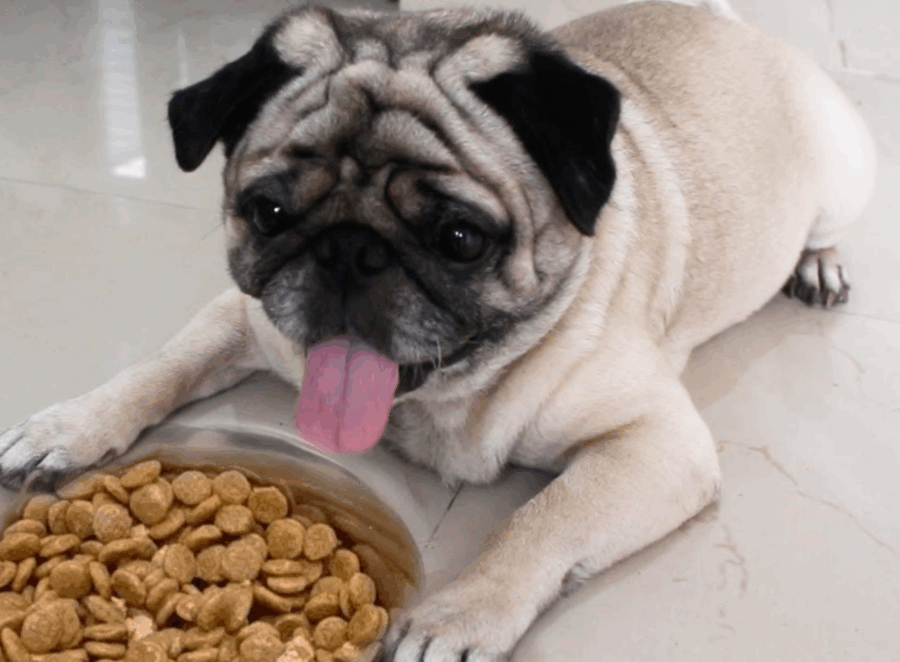
Dry Dog Food for Pugs: Pros and Cons
Advantages of Dry Food (Kibble)
-
Dental Health Benefits
-
Crunchy texture helps scrape off plaque and tartar.
-
Reduces risk of gum disease and bad breath.
-
-
Convenient & Cost-Effective
-
Longer shelf life, easy to store, and measure.
-
More affordable than wet food per serving.
-
-
Helps with Weight Management
-
Kibble is less calorie-dense per gram compared to wet food.
-
Allows for controlled portion sizes to prevent obesity.
-
-
Variety of Formulas
-
Specialized kibble for pug puppies, adults, and elder.
-
Options for grain-free, weight control, and sensitive stomachs.
-
Disadvantages of Dry Food
-
Lower Moisture Content (10% or less)
-
Pugs may not drink enough water, leading to dehydration risks.
-
Can contribute to kidney and bladder issues over time.
-
-
Harder to Chew for Some Pugs
-
Older pugs or those with dental disease may struggle with kibble.
-
-
May Contain Fillers & Preservatives
-
Low-quality kibble can have artificial additives, corn, and soy, which may trigger allergies.
-
Which is Better for Your Pug? Wet vs. Dry Food Compared
| Factor | Wet Food | Dry Food |
|---|---|---|
| Hydration | Excellent | Poor |
| Dental Health | Poor | Excellent |
| Palatability | High | Moderate |
| Cost | Expensive | Affordable |
| Shelf Life | Short | Long |
| Weight Control | Moderate | Better |
Best Scenarios for Each Type
✔ Choose Wet Food If:
-
Your pug is a picky eater or has low appetite.
-
They suffer from dehydration or kidney issues.
-
They are older or have dental problems.
✔ Choose Dry Food If:
-
You need a budget-friendly, convenient option.
-
Your pug is prone to obesity (easier portion control).
-
You want to support dental health.
The Best of Both Worlds: Mixing Wet and Dry Food
Many pug owners opt for a mixed feeding approach, combining the benefits of both:
-
Improved Hydration & Taste (from wet food).
-
Dental & Cost Benefits (from dry kibble).
How to Mix Them Properly:
-
70% Dry + 30% Wet – Balances nutrition and cost.
-
Soak Kibble in Water/Broth – Helps with hydration.
-
Rotate Flavors – Prevents food boredom.
Top Recommended Wet & Dry Foods for Pugs
Best Wet Foods:
-
Royal Canin Pug Wet Food (Breed-specific formula)
-
Blue Buffalo Homestyle Recipe (Natural ingredients)
-
Hill’s Science Diet Adult Wet Food (Vet-recommended)
Best Dry Foods:
-
Royal Canin Pug Dry Kibble (Tailored for pugs)
-
Wellness Complete Health Small Breed (High-protein)
-
Purina Pro Plan Sensitive Skin & Stomach (For allergies)
Final Verdict: What Should You Feed Your Pug?
There’s no one-size-fits-all answer—wet vs. dry dog food for pugs depends on:
-
Age & Health (elder may need wet, adults may thrive on dry).
-
Weight Goals (dry food helps with portion control).
-
Budget & Convenience (kibble is cheaper and easier).
For optimal health, consider mixing both or alternating based on your pug’s needs.
Conclusion: Boost Your Pug’s Health with the Right Choice
Choosing between wet and dry dog food for pugs requires balancing hydration, dental care, cost, and palatability. By understanding your pug’s unique needs, you can select the best diet to keep them happy, healthy, and full of energy.
Pro Tip: Consult your vet before switching foods, especially if your pug has health conditions or allergies.