Hamza Sajjad
Introduction to Pug Genetics
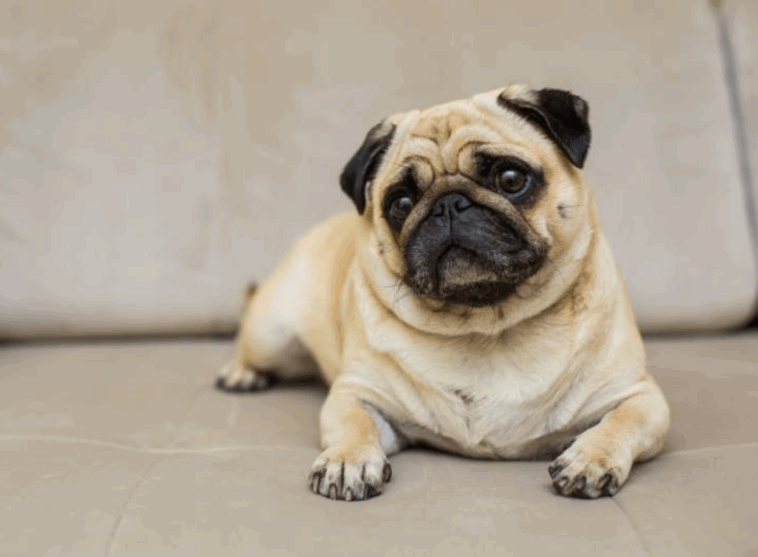
Pugs are one of the most beloved dog breeds, known for their charming personalities, wrinkled faces, and curly tails. However, behind their adorable appearance lies a complex genetic structure that influences their health, behavior, and physical traits. Understanding Pug genetics is essential for breeders, veterinarians, and pet owners who want to ensure the well-being of these dogs.
In this in-depth guide, we will explore:
-
The genetic makeup of Pugs
-
Common hereditary health conditions
-
How coat color and traits are inherited
-
The role of selective breeding in Pug genetics
-
Ethical considerations in Pug breeding
By the end of this article, you’ll have a detailed understanding of Pug genetics, empowering you to make informed decisions about breeding and care.
The Genetic Makeup of Pugs
Pugs, like all dogs, have 78 chromosomes (39 pairs), which carry thousands of genes determining their physical and behavioral traits. Key genetic factors in Pugs include:
1. Brachycephalic (Short-Skull) Gene
Pugs have a flattened facial structure due to a mutation in the BMP3 gene, which affects skull development. While this trait gives them their signature look, it also leads to Brachycephalic Obstructive Airway Syndrome (BOAS), a common health issue.
2. Tail Curl Gene
The distinctive curled tail of Pugs is controlled by the T-box gene (C189G mutation). This gene affects vertebral development, resulting in the tight spiral tail seen in the breed.
3. Coat Color Genetics
Pug coat colors are primarily determined by two pigments:
-
Eumelanin (black/brown pigment)
-
Phaeomelanin (red/yellow pigment)
The four main Pug colors are:
-
Fawn (most common, controlled by the Ay allele)
-
Black (dominant K locus gene)
-
Silver (rare, a diluted fawn variant)
-
Brindle (striped pattern, caused by the Kbr allele)
Understanding these genes helps breeders predict offspring colors and avoid undesirable traits.
Common Hereditary Health Conditions in Pugs
Due to selective breeding for specific traits, Pugs are prone to several genetic health issues:
1. Brachycephalic Syndrome (BOAS)
-
Causes breathing difficulties due to narrowed airways.
-
Symptoms: Snoring, exercise intolerance, heat sensitivity.
-
Prevention: Avoid breeding dogs with extreme flat faces.
2. Hip Dysplasia
-
A malformation of the hip joint, leading to arthritis.
-
Genetic testing (via OFA or PennHIP) can reduce risk.
3. Pug Dog Encephalitis (PDE)
-
A fatal inflammatory brain disease unique to Pugs.
-
Linked to the DLA class II genes; DNA tests available.
4. Eye Problems (Entropion, Dry Eye, Corneal Ulcers)
-
Caused by excessive facial wrinkles and shallow eye sockets.
-
Regular vet checks and responsible breeding can minimize risks.
5. Patellar Luxation (Knee Dislocation)
-
Common in small breeds due to shallow knee grooves.
-
Genetic screening helps prevent passing this condition.
How Coat Color & Traits Are Inherited in Pugs
Pug genetics follow Mendelian inheritance patterns, meaning traits are passed from parents to offspring via dominant and recessive genes.
Coat Color Inheritance
| Color | Genotype | Inheritance Type |
|---|---|---|
| Fawn | AyAy or Ayat | Dominant |
| Black | KK or Kky | Dominant |
| Brindle | KbrKbr or Kbrky | Incomplete Dominance |
| Albino (Rare) | cc | Recessive |
-
Two black Pugs can produce fawn puppies if they carry recessive Ay genes.
-
Brindle Pugs must have at least one Kbr gene.
Wrinkles & Facial Structure
-
Controlled by multiple polygenes, making it harder to predict.
-
Overbreeding for extreme wrinkles can lead to skin infections and BOAS.
The Role of Selective Breeding in Pug Genetics
Responsible breeding is crucial to maintaining Pug health. Key considerations include:
1. Genetic Diversity & Inbreeding
-
Inbreeding depression (low genetic diversity) increases disease risk.
-
Outcrossing (mixing with other breeds) can improve health but may alter breed standards.
2. DNA Testing for Breeders
-
Tests for PDE, hip dysplasia, and eye conditions are available.
-
Reputable breeders use OFA, Embark, or Paw Print Genetics.
3. Ethical Breeding Practices
-
Avoid puppy mills that prioritize profit over health.
-
Follow kennel club guidelines (AKC, FCI) for breed standards.
Ethical Considerations in Pug Breeding
Due to their health challenges, ethical breeding is a hot topic:
1. Should Extreme Traits Be Bred?
-
Some countries ban overly brachycephalic breeds due to welfare concerns.
-
Moderate breeding (less extreme wrinkles) is gaining support.
2. Adoption vs. Buying from Breeders
-
Rescue Pugs often need homes due to health issues.
-
If buying, choose health-tested, responsible breeders.
Final Thoughts: The Future of Pug Genetics
Advancements in canine genetic research are helping improve Pug health. By understanding Pug genetics, we can:
-
Reduce hereditary diseases through selective breeding.
-
Promote ethical breeding practices.
-
Educate owners on proper Pug care.
Whether you’re a breeder, vet, or Pug lover, genetic knowledge is key to ensuring these dogs live long, happy lives.