Hamza Sajjad
Introduction: Why Pug Body Posture Matters
Pugs are expressive, charismatic dogs with a unique body language that communicates their emotions, health, and intentions. Understanding pug body posture is essential for pet owners who want to build a stronger bond with their furry companions. Whether your pug is happy, anxious, or feeling unwell, their posture reveals it all.
In this comprehensive guide, we’ll explore every aspect of pug body posture—from tail positions and ear movements to facial expressions and stance. By the end, you’ll be able to instantly decode your pug’s emotions and respond appropriately, ensuring a happier and healthier pet.
The Fundamentals of Pug Body Language
Pugs, like all dogs, use body language as their primary form of communication. However, their brachycephalic (flat-faced) structure and compact body make their posture slightly different from other breeds. Here’s what to look for:
A. Tail Position and Movement
-
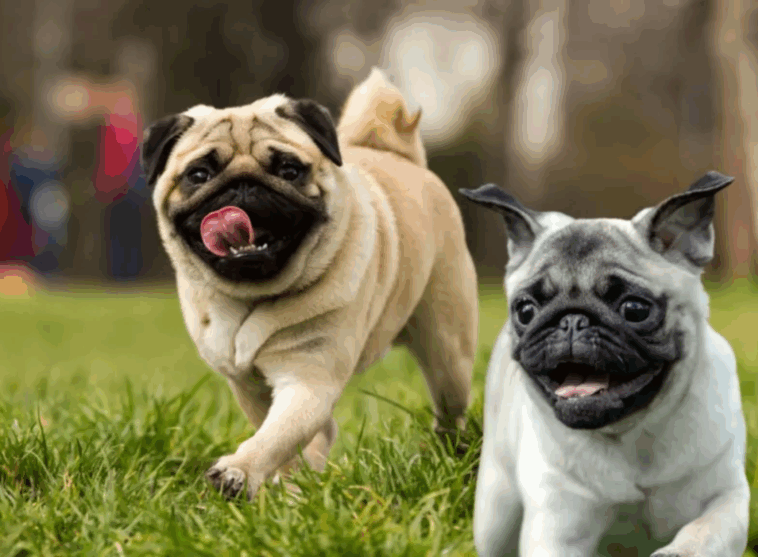
High and Curled: Indicates excitement or confidence.
-
Low or Tucked: Signals fear, submission, or illness.
-
Wagging Gently: Shows contentment.
-
Stiff and Straight: Could mean alertness or aggression.
B. Ear Positioning
-
Forward and Perked: Curiosity or interest.
-
Pinned Back: Fear, anxiety, or submission.
-
Relaxed and Floppy: A calm, happy pug.
C. Facial Expressions
-
Wrinkled Forehead: Confusion or concern.
-
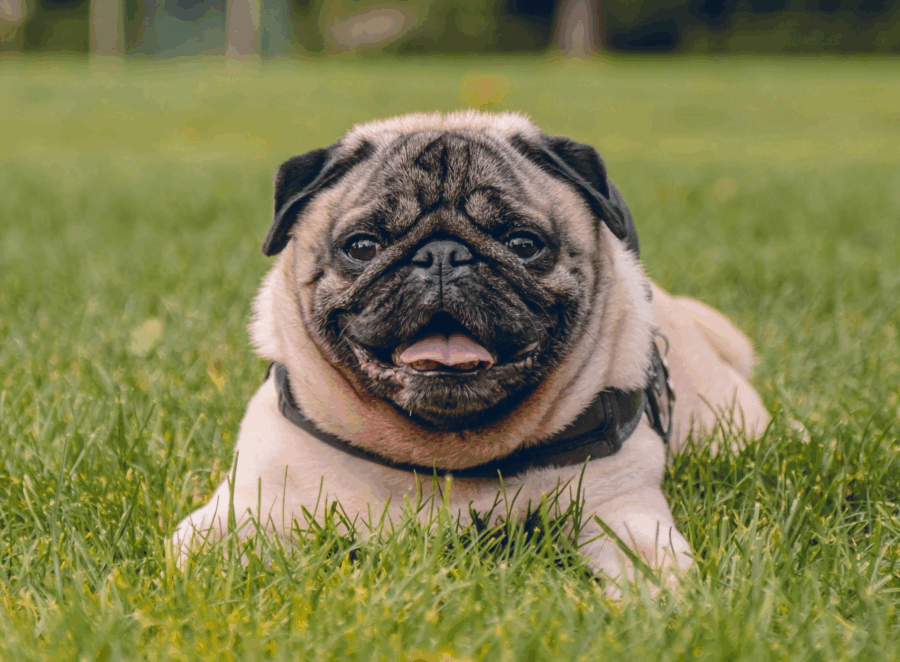
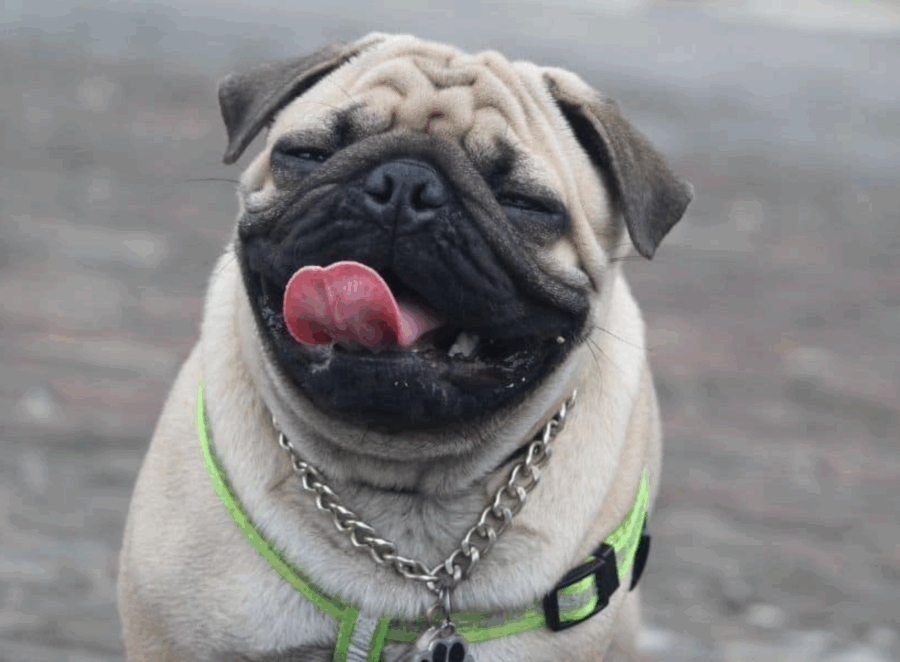
Tongue Out & Relaxed Eyes: Happiness.
-
Whale Eye (Showing Whites of Eyes): Stress or discomfort.
Common Pug Postures and What They Mean
A. The Play Bow (Front Down, Rear Up)
-
Meaning: “Let’s play!”
-
Indicates: High energy, friendliness, and an invitation to engage.
B. The Cowering Stance (Hunched Back, Tail Tucked)
-
Meaning: Fear or submission.
-
Possible Causes: Loud noises, unfamiliar people, or past trauma.
C. The “Pug Loaf” (Sitting Tightly with Paws Tucked In)
-
Meaning: Comfort or slight unease (depends on context).
-
Check For: Shivering (could mean cold or anxiety).
D. The Stiff, Upright Posture
-
Meaning: Alertness or potential aggression.
-
Look For: Raised hackles, intense staring.
How Pug Posture Reflects Health Issues
Pugs are prone to certain health problems, and their posture can be an early warning sign.
A. Difficulty Breathing (Extended Neck, Open Mouth)
-
Possible Issue: Brachycephalic syndrome.
-
Action Needed: Ensure proper ventilation and avoid overheating.
B. Limping or Hunched Back
-
Possible Issue: Hip dysplasia or spinal problems.
-
Action Needed: Visit a vet for an orthopedic check-up.
C. Excessive Licking or Pawing at Face
-
Possible Issue: Allergies or eye irritation (common in pugs).
How to Improve Your Pug’s Posture and Well-being
A. Encourage Proper Exercise
-
Short walks and play sessions help maintain muscle tone.
-
Avoid overexertion due to breathing difficulties.
B. Provide Orthopedic Support
-
Use a memory foam bed to support joints.
-
Harnesses (not collars) reduce neck strain.
C. Train for Confidence
-
Positive reinforcement helps anxious pugs stand taller.
-
Socialization reduces fearful postures.
Frequently Asked Questions (FAQs)
Q1. Why does my pug sit with its legs out to the side?
-
Answer: This “frog-legged” posture is common in pugs due to their hip structure—usually harmless unless paired with discomfort.
Q2. How do I know if my pug is in pain?
-
Answer: Look for whining, reluctance to move, or a hunched back.
Q3. Can pug posture change with age?
-
Answer: Yes, older pugs may develop a more slumped posture due to arthritis.
Conclusion: Mastering Pug Body Posture for a Happier Pet
By closely observing your pug’s posture, you can detect emotions, health issues, and behavioral cues before they escalate. Whether it’s a joyful tail wag or a worried cower, every stance tells a story.
Want to learn more about pug care? Subscribe to our newsletter for expert tips on keeping your pug healthy and happy!