Hamza Sajjad
Introduction: Why Understanding Pug Body Language Matters
Pugs are expressive, charming, and full of personality. Their unique facial features and body movements communicate a wide range of emotions—from joy and excitement to anxiety and discomfort. By mastering the art of reading pug body language, you can strengthen your bond, improve training, and ensure your pug’s well-being.
This ultimate guide covers every aspect of pug body language, including facial expressions, tail wagging, ear positioning, vocalizations, and more. Whether you’re a new pug owner or a seasoned enthusiast, this deep dive will help you decode your pug’s emotions like a pro.
Pug Facial Expressions: What Their Wrinkles and Eyes Reveal
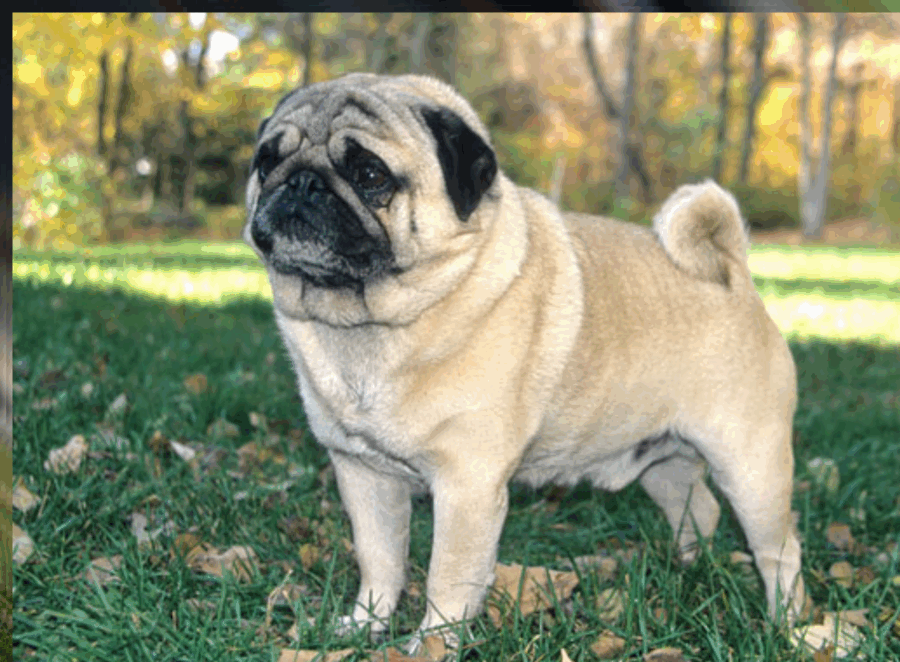
Pugs have highly expressive faces due to their deep wrinkles, large eyes, and unique muzzle shape. Here’s how to interpret their emotions:
The “Puppy Dog Eyes” (Soft, Round Eyes)
-
Meaning: Affection, trust, or a plea for attention.
-
Context: Your pug may use this look when begging for treats or cuddles.
-
Squinty or Narrowed Eyes
-
Meaning: Relaxation or contentment (similar to a cat’s slow blink).
-
Warning: If combined with tense body language, it could signal discomfort.
Wide, Staring Eyes with Visible Whites (“Whale Eye”)
-
Meaning: Anxiety, fear, or stress.
-
Action Needed: Remove stressors (loud noises, unfamiliar people).
Wrinkled Forehead & Raised Eyebrows
-
Meaning: Curiosity or confusion.
-
Example: Your pug may do this when hearing a new sound.
Ear Positions: What Your Pug’s Ears Are Telling You
Pug ears can be floppy or slightly perked, and their positioning reveals mood changes.
| Ear Position | Meaning |
|---|---|
| Relaxed & Natural | Happy, calm |
| Pinned Back | Fear, submission, or nervousness |
| Perked Up & Forward | Alertness, interest (e.g., hearing food bag rustle) |
Tail Wagging: Not Just Happiness
A wagging tail doesn’t always mean joy—speed and direction matter!
-
Fast, Wide Wagging → Excitement (“You’re home!”)
-
Slow, Low Wagging → Uncertainty or caution
-
Tucked Tail → Fear or submission
-
Stiff, High Tail → Confidence or dominance
Vocalizations: Barks, Grunts & Snorts Explained
Pugs are vocal communicators—each sound has a meaning:
-
Short, Excited Barks → “Play with me!”
-
Low Growls → Warning (check for discomfort)
-
Whining → Anxiety, pain, or needing attention
-
Reverse Sneezing → Not a vocal cue but a breathing quirk usually harmless
Body Posture & Movement Clues
Play Bow (Front Down, Butt Up)
-
Meaning: “Let’s play!”
Cowering or Hunched Back
-
Meaning: Fear or submission
Rolling Over (Exposing Belly)
-
Meaning: Trust (if relaxed) OR submission (if tense)
Signs of Stress & Anxiety in Pugs
Watch for these red flags:
-
Excessive yawning
-
Lip licking (when not hungry)
-
Avoiding eye contact
-
Trembling
Final Thoughts: Mastering Pug Communication for a Happier Pet
Understanding pug body language is key to better training, bonding, and care. By observing facial cues, ear movements, tail wags, and vocal tones, you can respond to your pug’s needs effectively.
Pro Tip: Pair body language insights with positive reinforcement training for a well-behaved, emotionally secure pug.
Want More Pug Care Tips?
Bookmark this guide for quick reference!
Share with fellow pug lovers to help them decode their pets!