Hamza Sajjad
Introduction: Why a Proper Diet Transition is Crucial for Your Pug’s Health
The change in diet of your Pug should not be a trivial procedure, which is why when facing such a task, you should do it thoughtfully, not to cause digestive upsets, food aversion, or even serious health problems to your Pug. Pugs also have delicate digestive systems and dietary requirements that require a slow and very thorough transition.
In this guide, I am going to discuss absolutely all the ins and outs of how to switch your Pug to a new dieting regime, and it will include:
- The Rationale Behind Special Food Needs of Pugs.
- Transition plan step by step.
- Errors that need to be avoided. Generally, there are a few errors that need to be avoided.
- Symptoms of effective adaptation.
- Pug Best food.
By the close of this paper, you will be at an expert-level position to make this transition simple and completely stress-free to both your pet Pug and to yourself because the overall health of your pet is going to improve and improve significantly.
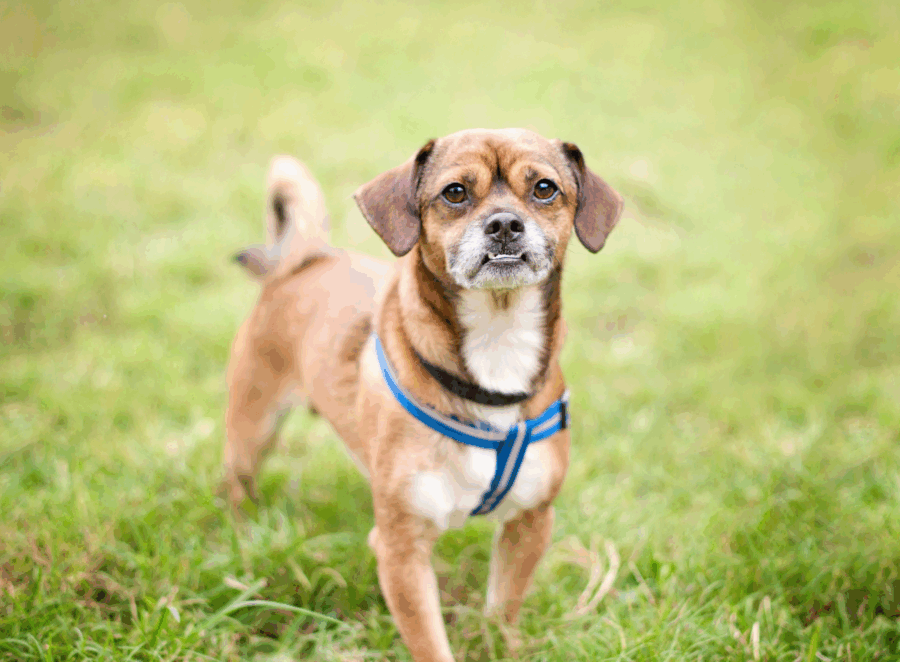
Why Pugs Need a Carefully Managed Diet Transition
Pugs are flat-faced (brachycephalic) dogs that have sensitive gastrointestinal tracts, are easily prone to obesity, allergies, and digestive diseases. Abrupt change in diet may give rise to:
- Diarrhea, vomiting.
- Anorexia.
- Bloating and gas.
- It is because of skin irritations (when allergic to new ingredients).
A slow, deliberate shift will assist in the slowdown of their digestive enzymes and reduce discomfort.
Step-by-Step Guide to Transitioning Your Pug to a New Diet
1. The Right New Food
Before changing, make sure that the new food accommodates the needs of your Pug:
- Good quality protein (chicken, turkey, fish)
- Low-fat content (obesity preventing)
- No corn or soy filler (typical allergens)
- Probiotics (additional probiotics [gut health])
Top choices: Grain-free kibble, restricted diet, or homemade with doctor approval.
2. The Transition 7-Day Plan
Delayed transition eliminates gastrointestinal disorders. Go by this schedule:
- Day Old New
- 1-2 75% 25%
- 3-4 50 50
- 5-6 25 percent 75 percent
- 7+0 100
Pro Tip: In case your Pug demonstrates any discomfort, make the dosage period longer 10-14 days.
3. Watch Your Pug The Way He Reacts
- Be on the lookout for the following positive signs:
- Regular hard stools
- According to normal energy levels
No vomiting, no gasping, no belching
Red flags (talk to a vet about these, if they last longer than a day or two):
- A diarrhea lasting over 48 hours
- Sluggishness or food strikes
- Rashes on the skin or itchy skin
Common Mistakes to Avoid When Switching Your Pug’s Food
Rapidly Jumping Back And Forth
- Their digestive system is hit with a sudden change-never switch abruptly.
Ignoring the quality of Ingredients
- Poor foods full of synthetic additives may aggravate the allergies.
Transition Overfeeding
- Pugs easily gain weight-keep things in proportion.
Inconsistent Textures Mixing
- Should you like to change kibble to wet food, take the change of texture gradually.
Best Food Choices for Pugs: Vet-Recommended Options
The highest rated diets that Pugs can be put on are as follows:
- Royal Canin Pug Adult dry food (Breed-Specific formula)
- Blue Buffalo Life Protection Small Breed (High-protein and free of fillers)
- Hill Science Diet Sensitive Stomach- And Skin (Allergy-prone Pugs)
- The Farmer’s Dog Fresh Food (Human grade, gently cooked)
Final Thoughts: Ensuring a Smooth Diet Transition for Your Pug
Changing the diet of your Pug does not necessarily have to be stressful. However, with an orderly strategy, the use of high-quality food accompanied by health tracking, the transition will be achieved without disruptions and will improve the well-being of your wards.
We need individual tips? Speak with your vet before modifying your dog’s diet in significant ways.
Improve the health of your Pug now–begin their diet transition properly!
Following these professional suggestions, you will avoid gastrointestinal problems, enhance a healthy life span, and make your Pug glad. Spread the word among other people who own Pugs so that they can make the most optimal food choices!