Hamza Sajjad
Introduction
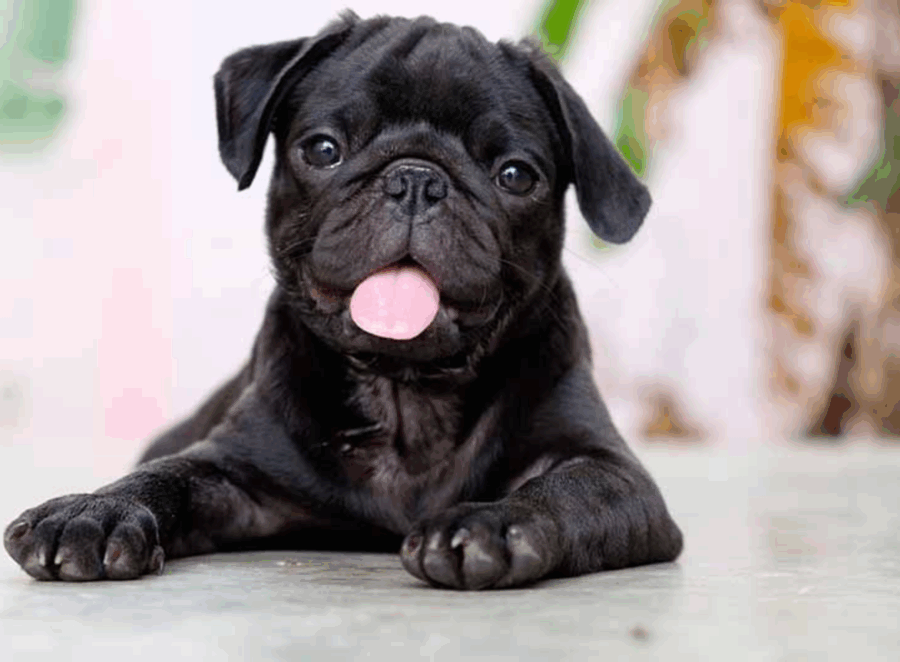
Bringing home a Pug puppy is an exciting experience, but proper training is essential to ensure they grow into well-behaved, happy adults. The first year of your Pug’s life is crucial for setting the foundation for obedience, socialization, and good habits. This comprehensive guide covers all the key training milestones in your Pug’s first year, helping you raise a confident and well-mannered companion while boosting your website’s traffic with SEO-optimized content.
Why Training Your Pug in the First Year is Crucial
Pugs are intelligent but stubborn, making early training vital. A structured approach helps prevent behavioral issues like excessive barking, separation anxiety, and housebreaking struggles. By following a step-by-step training plan, you’ll ensure your Pug develops into a well-adjusted dog.
Month-by-Month Training Milestones for Your Pug
Month 1-2: Early Socialization & Basic Commands
Key Focus Areas:
Housebreaking & Crate Training
-
Start potty training immediately using positive reinforcement.
-
Introduce a crate as a safe space (keep sessions short).
Name Recognition & Basic Commands
-
Teach your Pug to respond to their name with treats.
-
Begin simple commands like “Sit” and “Come.”
Early Socialization
-
Expose your puppy to different sounds, surfaces, and gentle handling.
-
Introduce them to vaccinated, friendly dogs and people.
Pro Tip: Keep training sessions short (5-10 minutes) to match their attention span.
Month 3-4: Leash Training & Bite Inhibition
Key Focus Areas:
Leash Introduction
-
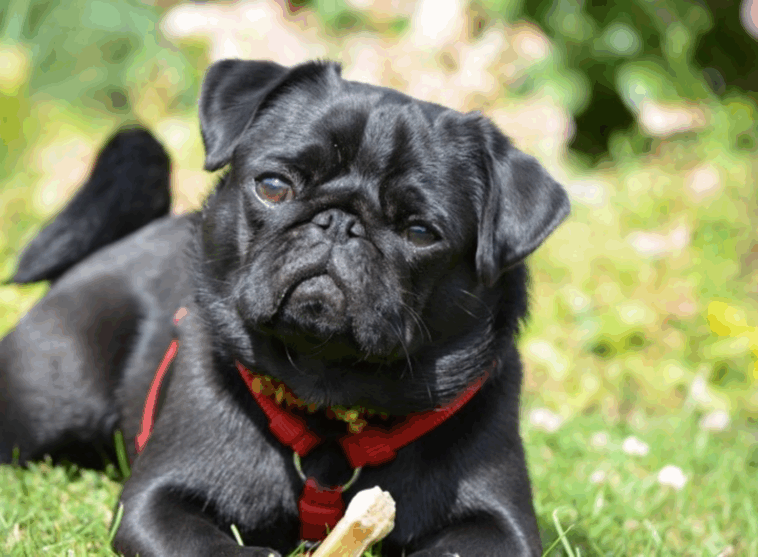
Use a lightweight harness (Pugs are prone to tracheal damage from collars).
-
Practice walking indoors before venturing outside.
Bite Inhibition Training
-
Redirect nipping with chew toys.
-
Yelp softly if they bite too hard to mimic littermate feedback.
Advanced Commands
-
Teach “Stay,” “Down,” and “Leave It.”
-
Use high-value treats for motivation.
Pro Tip: Consistency is key—train daily for best results.
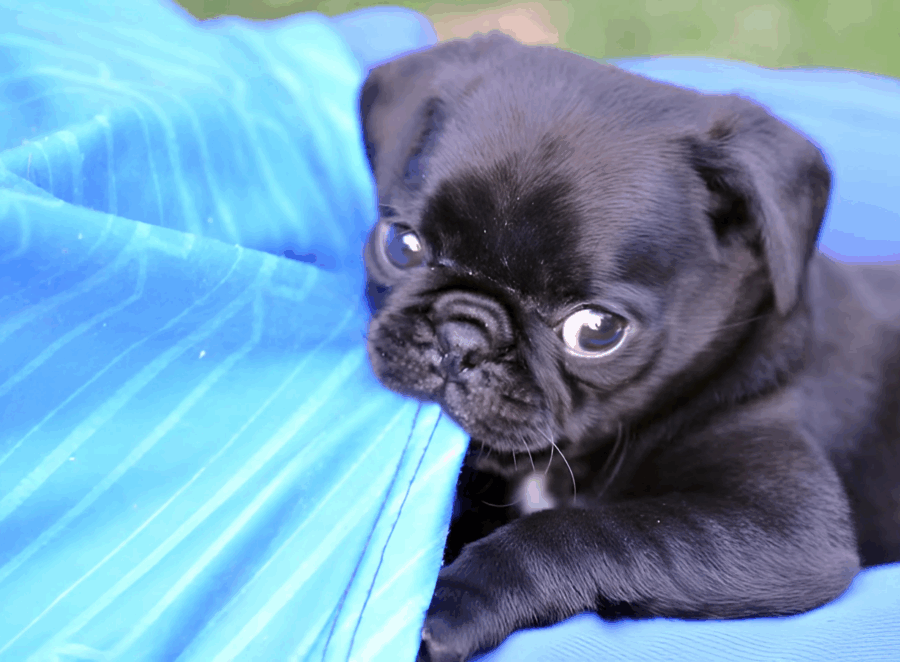
Month 5-6: Reinforcing Obedience & Handling Challenges
Key Focus Areas:
Polishing Recall Skills
-
Practice “Come” in low-distraction areas before advancing.
-
Use a long leash for safety in open spaces.
Preventing Separation Anxiety
-
Gradually increase alone time (start with 5 minutes).
-
Provide interactive toys to keep them occupied.
Handling Exercises
-
Get your Pug comfortable with paw handling (for nail trims).
-
Brush their coat regularly to prevent grooming resistance.
Pro Tip: If your Pug shows stubbornness, switch to higher-value rewards like chicken or cheese.
Month 7-9: Advanced Training & Behavioral Refinement
Key Focus Areas:
Off-Leash Training (In Safe Areas)
-
Only attempt off-leash training in fully fenced areas.
-
Strengthen recall with whistle training.
Polishing Manners
-
Discourage jumping on guests by rewarding calm behavior.
-
Teach “Quiet” to control excessive barking.
Trick Training for Mental Stimulation
-
Teach fun tricks like “Paw,” “Spin,” or “Play Dead.”
-
Mental exercise prevents boredom-related mischief.
Pro Tip: Pugs thrive on praise—combine treats with enthusiastic verbal rewards.
Month 10-12: Finalizing Training & Preparing for Adulthood
Key Focus Areas:
Reliable Off-Leash Recall
-
Test recall in controlled environments before trusting them fully.
Advanced Socialization
-
Introduce new environments (parks, pet-friendly stores).
-
Ensure positive interactions with other dogs.
Reinforcing House Rules
-
Consistently enforce boundaries (no begging, no furniture access if desired).
-
Address any regression with patience.
Pro Tip: Join a local obedience class for structured training and socialization.
Common Training Challenges & Solutions
Stubbornness: Use higher-value treats and keep sessions engaging.
Potty Training Regression: Revisit crate training and stick to a schedule.
Excessive Barking: Teach the “Quiet” command and identify triggers.
Final Thoughts: Setting Your Pug Up for Success
Training a Pug requires patience, consistency, and positive reinforcement. By following these training milestones in your Pug’s first year, you’ll nurture a well-behaved, happy companion. Remember, every Pug learns at their own pace—stay persistent and celebrate small victories!
Want more Pug training tips? Subscribe for exclusive guides and expert advice!