Hamza Sajjad
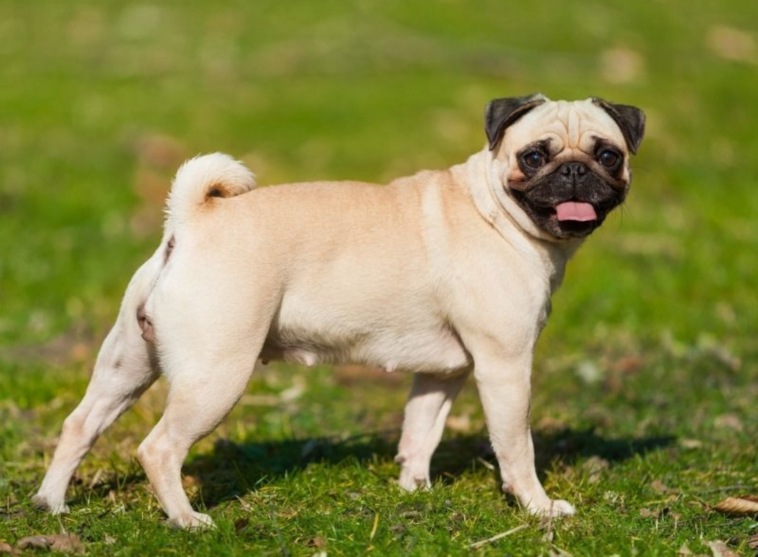
Training a Pug puppy is both rewarding and challenging. These adorable, wrinkly-faced companions are known for their playful yet stubborn nature. Without proper training, they can develop behavioral issues like excessive barking, separation anxiety, and house-soiling.
This comprehensive guide covers everything you need to know about training a Pug puppy—from potty training and obedience to socialization and advanced tricks. Whether you’re a first-time Pug owner or an experienced dog lover, these proven techniques will help you raise a well-behaved, happy Pug.
Understanding Your Pug Puppy’s Temperament
Before diving into training, it’s crucial to understand your Pug’s personality:
-
Playful & Affectionate – Pugs thrive on human interaction.
-
Stubborn Streak – They can be strong-willed, requiring patience.
-
Moderate Energy Levels – Short bursts of playfulness followed by long naps.
-
Food Motivation – Highly treat-driven, making positive reinforcement effective.
Key Takeaway: Use their love for food and attention to your advantage in training.
Essential Supplies for Training a Pug Puppy
To set yourself up for success, gather these must-have items:
-
High-Value Treats (small, soft bites for quick rewards)
-
Harness & Leash (Pugs are prone to tracheal damage; avoid neck strain)
-
Crate for Crate Training (a safe den-like space)
-
Chew Toys (to redirect biting behavior)
-
Clicker (Optional) – For clicker training precision.
Step-by-Step Pug Puppy Training Plan
Potty Training Your Pug Puppy
Pugs can be slow to housebreak. Follow these steps:
-
Establish a Routine – Take them out every 1-2 hours, especially after meals.
-
Use a Command – Say “Go potty” to create an association.
-
Reward Immediately – Praise and treat when they eliminate outside.
-
Limit Accidents – Supervise closely; if caught mid-accident, say “No” firmly and take them outside.
Pro Tip: Pugs respond best to positive reinforcement—never punish accidents harshly.
Basic Obedience Commands
Start with these 5 essential commands:
-
Sit – Hold a treat above their nose, move it back, and say “Sit.”
-
Stay – Start with short durations, gradually increasing distance.
-
Come – Use a happy tone and reward when they approach.
-
Leave It – Essential for preventing scavenging.
-
Down – Helps with impulse control.
Training Frequency: 5-10 minute sessions, 2-3 times daily (Pugs have short attention spans).
Leash Training & Walking Etiquette
Pugs love walks but can pull. Teach them to walk politely:
-
Start Indoors – Let them get used to the harness.
-
Use Treats to Lure – Reward for walking beside you.
-
Stop When They Pull – Only move forward when the leash is loose.
Crate Training for Safety & Comfort
A crate prevents destructive behavior when unsupervised.
-
Make It Cozy – Add blankets and toys.
-
Feed Meals Inside – Creates positive associations.
-
Gradual Increase – Start with short durations, then extend.
Socializing Your Pug Puppy
Early socialization prevents fearfulness. Expose them to:
-
Different People (kids, strangers, hats, glasses)
-
Other Dogs (puppy classes, controlled playdates)
-
New Environments (parks, car rides, city sounds)
Critical Window: 8-16 weeks is the prime socialization period.
Preventing & Correcting Bad Behaviors
Excessive Barking
-
Identify Triggers (doorbells, strangers)
-
Teach “Quiet” Command – Reward silence after barking.
Chewing & Nipping
-
Redirect to Toys – Replace hands/furniture with chew toys.
-
Use Bitter Spray – On forbidden items.
Separation Anxiety
-
Practice Short Absences – Gradually increase time alone.
-
Provide Mental Stimulation – Puzzle toys, frozen treats.
Advanced Training & Fun Tricks for Pugs
Once basics are mastered, try:
-
Roll Over
-
High Five
-
Play Dead
Training Tip: Keep sessions fun and engaging—Pugs bore easily!
Common Pug Training Mistakes to Avoid
-
Inconsistency – Mixed signals confuse Pugs.
-
Negative Punishment – Yelling or physical corrections backfire.
-
Skipping Socialization – Leads to fear-based aggression.
Final Thoughts: Raising a Well-Trained Pug Puppy
Training a Pug puppy requires patience, consistency, and positivity. By following this step-by-step guide, you’ll build a strong bond with your Pug while ensuring they grow into a well-mannered, confident adult dog.
Ready to start? Bookmark this guide and share it with fellow Pug lovers!