Hamza Sajjad
Introduction
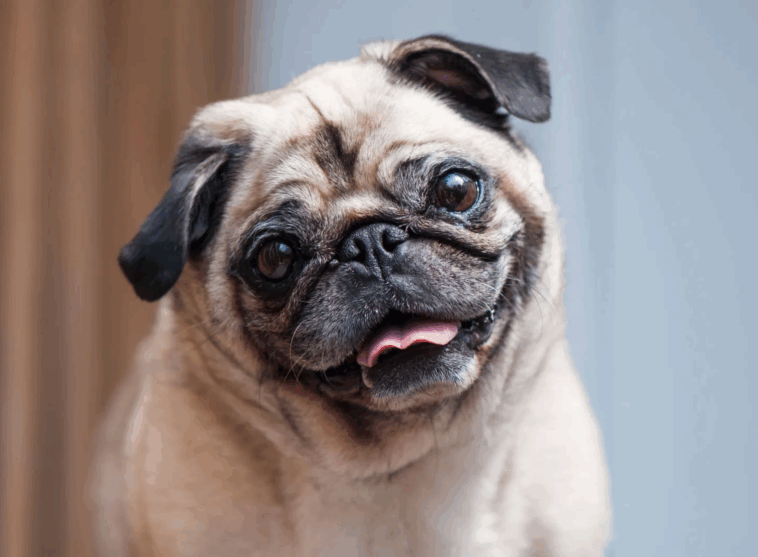
Top 5 Mistakes New Pug Owners Make: Pugs are adorable, affectionate, and full of personality, making them one of the most popular small dog breeds. However, new pug owners often make critical mistakes that can affect their pet’s health, happiness, and longevity.
In this in-depth guide, we’ll explore the top 5 mistakes new pug owners make, why they happen, and how to avoid them. Whether you’re a first-time pug parent or considering bringing one home, this article will help you raise a healthy, happy pug while boosting your website traffic with SEO-optimized insights.
Ignoring Pug-Specific Health Issues
Why It’s a Problem
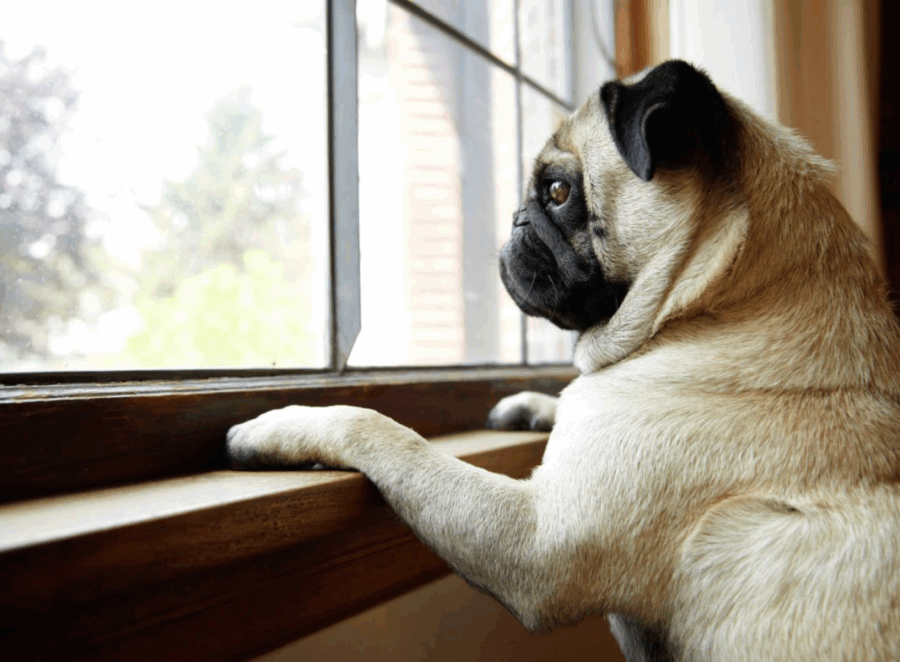
Pugs are a brachycephalic breed, meaning they have a shortened skull and flat face, leading to breathing difficulties (Brachycephalic Obstructive Airway Syndrome – BOAS). Many new owners underestimate how this affects their pug’s daily life.
Common Health Oversights:
-
Overheating: Pugs cannot regulate body temperature well—avoid excessive heat.
-
Snoring & Breathing Noises: Not always “cute”—could indicate respiratory distress.
-
Eye Problems: Their bulging eyes are prone to injuries (corneal ulcers, dry eye).
How to Avoid This Mistake:
-
Monitor exercise—avoid intense activities in hot weather.
-
Use a harness (never a collar) to reduce neck pressure.
-
Regular vet check-ups to catch early signs of BOAS or eye issues.
Overfeeding & Poor Diet Choices
Why It’s a Problem
Pugs love food and will eat endlessly, leading to obesity, which worsens breathing problems and joint stress. Many owners unknowingly feed them unhealthy treats or human food.
Common Diet Mistakes:
-
Free-feeding (leaving food out all day).
-
High-calorie treats (pugs gain weight quickly).
-
Low-quality kibble with fillers (can cause allergies).
How to Avoid This Mistake:
-
Strict portion control (follow vet-recommended amounts).
-
High-protein, grain-free diets (if no allergies).
-
Healthy snacks (carrots, blueberries) instead of fatty treats.
Skipping Proper Training & Socialization
Why It’s a Problem
Pugs are stubborn but intelligent. Without early training, they develop bad habits (barking, chewing, separation anxiety).
Common Training Errors:
-
Delaying obedience training (“They’re just a puppy!”).
-
Inconsistent rules (allowing bad behavior sometimes).
-
Ignoring socialization (leading to fear or aggression).
How to Avoid This Mistake:
-
Start training at 8-10 weeks (basic commands, potty training).
-
Positive reinforcement (treats, praise—never harsh methods).
-
Expose them to different people, pets, and environments early.
Neglecting Dental & Grooming Needs
Why It’s a Problem
Pugs have deep facial wrinkles that trap moisture, leading to skin infections. Their small mouths also make them prone to dental disease.
Common Grooming Mistakes:
-
Not cleaning wrinkles (causing yeast/bacterial infections).
-
Ignoring dental care (leading to tooth decay and bad breath).
-
Infrequent nail trims (causing discomfort or overgrown nails).
How to Avoid This Mistake:
-
Daily wrinkle cleaning (use a damp cloth + dog-safe wipe).
-
Brush teeth 3x a week (or use dental chews).
-
Regular grooming schedule (bathing, nail trimming).
Underestimating Exercise & Mental Stimulation Needs
Why It’s a Problem
While pugs aren’t high-energy dogs, they still need daily exercise to prevent obesity and boredom (which leads to destructive behavior).
Common Exercise Mistakes:
-
Too much exercise (can cause breathing distress).
-
Too little exercise (leads to weight gain).
-
No mental stimulation (pugs get bored easily).
How to Avoid This Mistake:
-
Short, frequent walks (10-15 mins, 2-3 times/day).
-
Interactive toys & puzzle feeders (keeps them engaged).
-
Avoid extreme temperatures (walk in mornings/evenings).
Final Thoughts: Raising a Happy, Healthy Pug
Owning a pug is incredibly rewarding, but it requires knowledge and commitment. By avoiding these top 5 mistakes, you’ll ensure your pug lives a longer, healthier, and happier life.
Key Takeaways:
✔ Monitor breathing & eye health closely.
✔ Control portions & choose quality food.
✔ Train early & socialize often.
✔ Keep up with grooming & dental care.
✔ Balance exercise & mental stimulation.