Hamza Sajjad
Introduction: The Pug’s Historical Influence on Canine Evolution
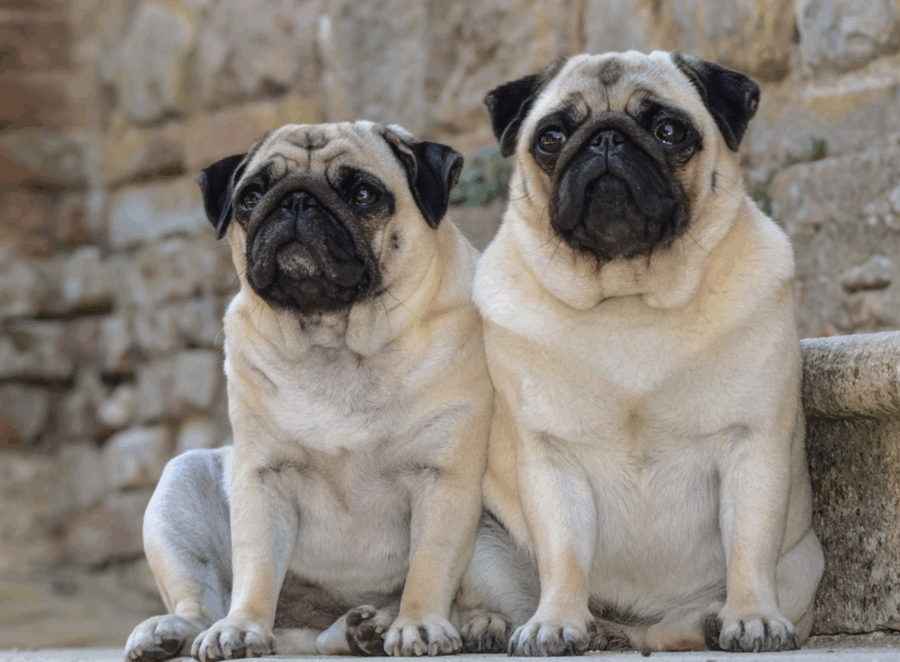
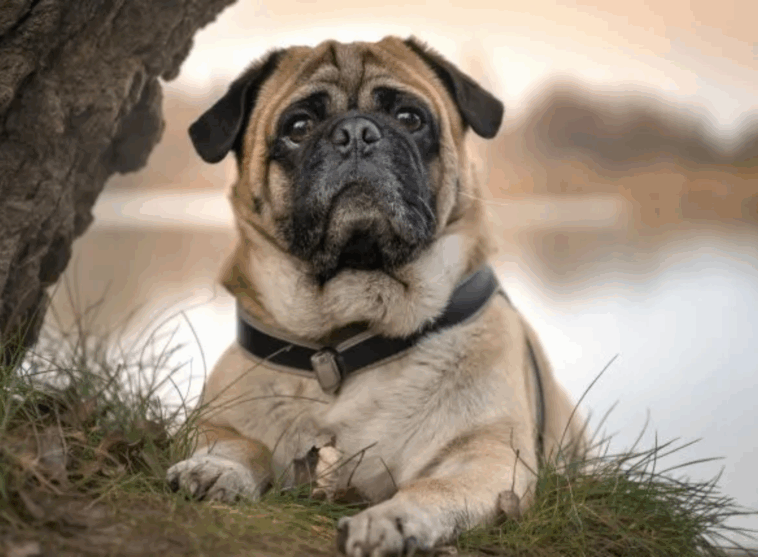
The Pug, with its distinctive wrinkled face and charming personality, is more than just a beloved companion it has played a pivotal role in shaping several modern dog breeds. From the Bulldog to the Pekingese, the Pug’s genetic legacy is embedded in the development of various breeds. This article explores the Pug’s historical significance, genetic contributions, and crossbreeding influences that have left an indelible mark on canine history.
Understanding the Pug’s role in breed development not only satisfies historical curiosity but also enhances appreciation for this ancient breed. Whether you’re a dog enthusiast, breeder, or historian, this deep dive into the Pug’s influence will provide valuable insights.
The Pug’s Ancient Origins and Royal Connections
The Pug’s history dates back over 2,000 years, originating in China during the Han Dynasty. Bred as companions for Chinese emperors, Pugs were highly valued and often guarded by soldiers. Their compact size, affectionate nature, and unique appearance made them favorites among nobility.
How Pugs Spread Globally
-
Dutch Traders introduced Pugs to Europe in the 16th century.
-
They became royal favorites, particularly in the court of William III and Mary II of England.
-
Their popularity led to crossbreeding experiments, influencing other breeds.
This global spread allowed the Pug’s genetics to merge with European breeds, shaping new lineages.
Pug’s Genetic Contributions to Modern Breeds
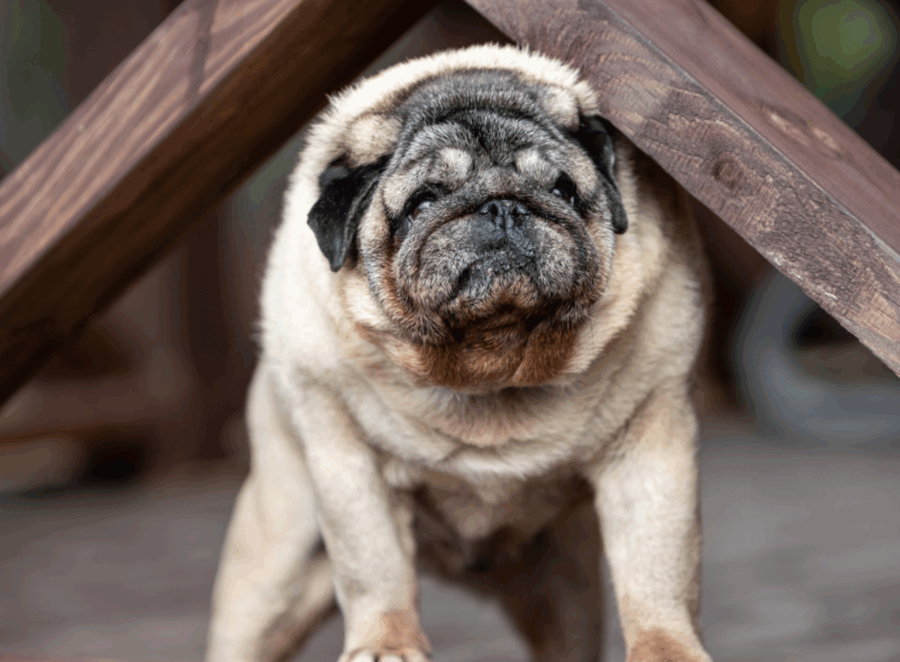
The Pug’s brachycephalic (flat-faced) structure, compact body, and friendly temperament have been selectively bred into other dogs. Below are key breeds influenced by Pugs:
A. The Bulldog: A Shared Ancestry
-
Both Bulldogs and Pugs share common mastiff-type ancestors.
-
Early Bulldogs had longer muzzles, but crossbreeding with Pugs contributed to their flatter faces.
-
This influence is evident in the English Bulldog’s facial structure and stocky build.
B. The Pekingese: A Chinese Cousin
-
Developed in Imperial China, the Pekingese shares similar brachycephalic traits with the Pug.
-
Historical records suggest intentional crossbreeding between Pugs and small lion-like dogs to create the Pekingese.
C. The French Bulldog: A European Adaptation
-
French Bulldogs were developed by crossing English Bulldogs with local ratters and Pugs.
-
The Pug’s small size and bat-like ears can be seen in modern Frenchies.
D. The Boston Terrier: America’s Gentleman Breed
-
Early Boston Terriers were bred from Bulldogs and now-extinct white English Terriers, with possible Pug influence.
-
Their friendly demeanor and compact build reflect Pug-like traits.
The Pug’s Role in Refining Toy and Companion Breeds
Beyond brachycephalic breeds, the Pug has contributed to the refinement of toy breeds, enhancing their companion qualities.
A. The Cavalier King Charles Spaniel
-
While not directly descended from Pugs, selective breeding for a flatter face in some lines shows Pug-like influence.
B. The Brussels Griffon
-
Some historians believe Pugs were used to soften the Griffon’s wiry coat and enhance its expressive face.
Controversies and Ethical Considerations in Pug Crossbreeding
While the Pug has enriched many breeds, its brachycephalic traits have also led to health concerns:
A. Health Implications of Flat-Faced Breeding
-
Breathing difficulties (BOAS)
-
Eye problems (corneal ulcers, proptosis)
-
Joint and spinal issues due to compact body structure
B. Modern Breeding Practices
-
Responsible breeders now focus on healthier Pug crosses (e.g., Retro Pugs with longer muzzles).
-
Ethical concerns arise when extreme brachycephaly is prioritized over well-being.
The Pug’s Legacy in Today’s Canine World
Despite health debates, the Pug remains one of the most influential breeds in dog history. Its genetic footprint is seen in:
-
Companion breeds (Boston Terrier, French Bulldog)
-
Toy breeds (Pekingese, Brussels Griffon)
-
Bulldog variants (English & French Bulldogs)
Why This Matters for Dog Lovers
-
Understanding breed history helps in making informed adoption choices.
-
Recognizing the Pug’s impact fosters appreciation for responsible breeding.
Conclusion: The Pug’s Enduring Impact on Dog Breeds
From ancient Chinese palaces to modern homes, the Pug has shaped canine evolution in remarkable ways. Its contributions to breeds like the Bulldog, Pekingese, and French Bulldog highlight its genetic significance. However, with this legacy comes a responsibility to prioritize health in breeding practices.
For dog enthusiasts, the Pug is more than a pet—it’s a living piece of history that continues to influence the dog world today.