Hamza Sajjad
Introduction: The Fascinating Migration of the Pug
The Pug, with its distinctive wrinkled face and charming personality, is one of the most beloved dog breeds in the world. But did you know that this compact canine has a rich history spanning continents? The Pug’s journey from ancient Asia to aristocratic Europe is a tale of royalty, trade, and cultural exchange.
In this in-depth exploration, we’ll uncover:
-
The origins of the Pug in ancient China
-
Their role in Tibetan Buddhist monasteries
-
How Dutch and Portuguese traders brought them to Europe
-
The Pug’s rise in European nobility
-
Their evolution into modern-day companions
By the end of this article, you’ll understand why the Pug’s migration is one of the most fascinating stories in canine history.
Chapter 1: The Pug’s Ancient Origins in China
The Imperial Dogs of the Han Dynasty
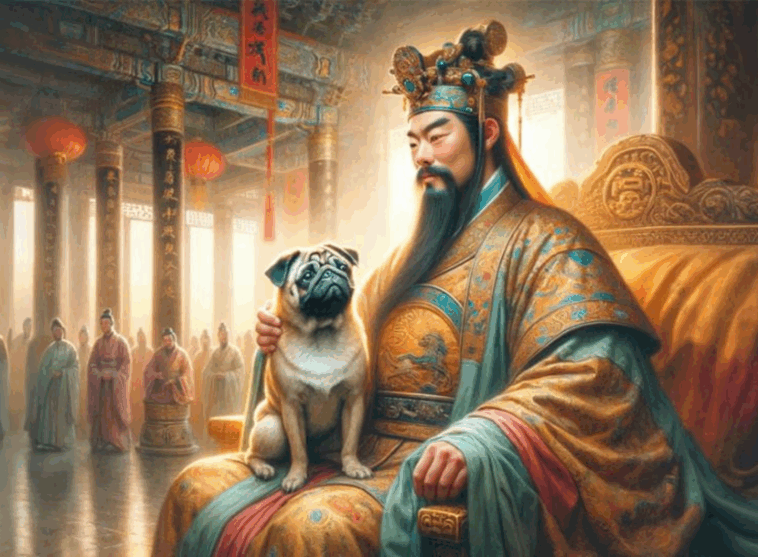
The Pug’s history begins in China over 2,000 years ago, during the Han Dynasty (206 BCE–220 CE). Bred as companions for Chinese emperors, Pugs were highly valued for their loyalty and distinctive appearance.
-
Royal Status: Only the imperial family and high-ranking officials were allowed to own Pugs.
-
Symbolism: Their wrinkled faces were believed to resemble the Chinese character for “prince” (王).
-
Lap Dogs of Luxury: Pugs lived in palaces, often guarded by soldiers, and were sometimes given their own servants.
Pugs in Tibetan Monasteries
Beyond the imperial courts, Pugs were also kept in Tibetan Buddhist monasteries. Monks treasured them for their calm demeanor and companionship, reinforcing their spiritual significance in Asian culture.
Chapter 2: The Pug’s Voyage to Europe
The Silk Road and Dutch Traders
The Pug’s migration to Europe began with global trade routes. Dutch merchants of the Dutch East India Company encountered Pugs in China and brought them back to Europe in the 16th and 17th centuries.
-
First European Pugs: The breed quickly became a favorite among European nobility.
-
William the Silent’s Hero Pug: Legend says a Pug saved Prince William of Orange from assassins by barking, making them the official dog of the House of Orange.
Pugs in the Courts of Europe
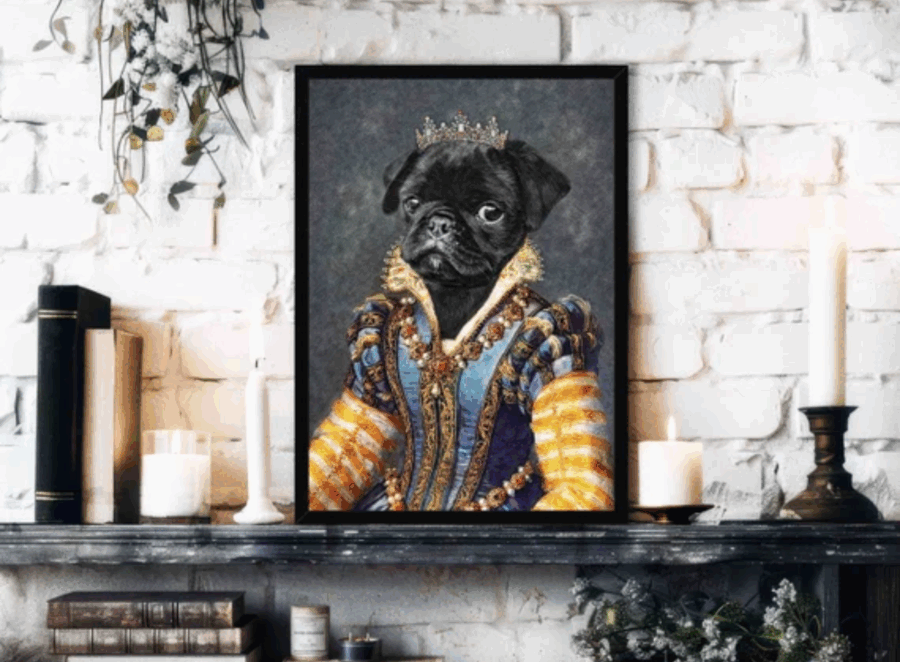
By the 18th century, Pugs had become a status symbol among European royalty.
-
Marie Antoinette’s Pug: The French queen adored her Pug, “Mops.”
-
Napoleon’s Wife Josephine: Her Pug, “Fortune,” famously bit Napoleon on their wedding night!
-
Queen Victoria’s Influence: She bred Pugs, helping standardize the breed in England.

Chapter 3: The Pug’s Evolution in the Modern World
From Royalty to Pop Culture
The Pug’s charm transcended royalty, making it a pop culture icon.
-
20th Century Popularity: Pugs became household pets across America and Europe.
-
Hollywood Fame: Pugs starred in films like Men in Black and The Secret Life of Pets.
-
Internet Sensation: Their expressive faces made them viral stars on social media.
Health and Breeding Considerations
Despite their popularity, Pugs face health challenges due to selective breeding.
-
Brachycephalic Syndrome: Their flat faces can cause breathing difficulties.
-
Responsible Breeding: Ethical breeders focus on improving Pug health while preserving their traits.
Conclusion: The Pug’s Legacy as a Global Companion
From imperial China to European palaces, the Pug’s journey is a testament to its enduring charm and adaptability. Today, Pugs remain one of the most loved breeds worldwide, blending history, culture, and companionship.
Why This History Matters for Pug Lovers
Understanding the Pug’s past helps us:
✔ Appreciate their cultural significance
✔ Advocate for responsible breeding
✔ Celebrate their unique place in history
Want to Learn More About Pugs?
Stay tuned for more breed insights, care tips, and historical deep dives—subscribe to our newsletter for the latest updates!