Hamza Sajjad
Introduction: Ensuring a Safe & Speedy Recovery for Your Pug After Surgery
Pugs are cute, loving pets, but because of their unusual anatomy, they are more likely to need surgery to correct or prevent BOAS (Brachycephalic Obstructive Airway Syndrome), knee surgery (luxating patella), eye procedures, or spaying/neutering. The post-operative care is equally very important to avoid complications in the process and to enhance the healing process.
In this detailed walkthrough, we are going to discuss all you need to know about pug recovery surgery, such as:
- In-house immediate post-op care
- Tips on pain management & medication
- Care of wounds & prevention of infections
- Nutrition/hydration changes
- Restrictions on exercise & safe mobility
- Follow-ups to complications
- Long-term recovery strategies
These vet-approved tips will enable you to ensure your pug heals quickly and without having backslides.
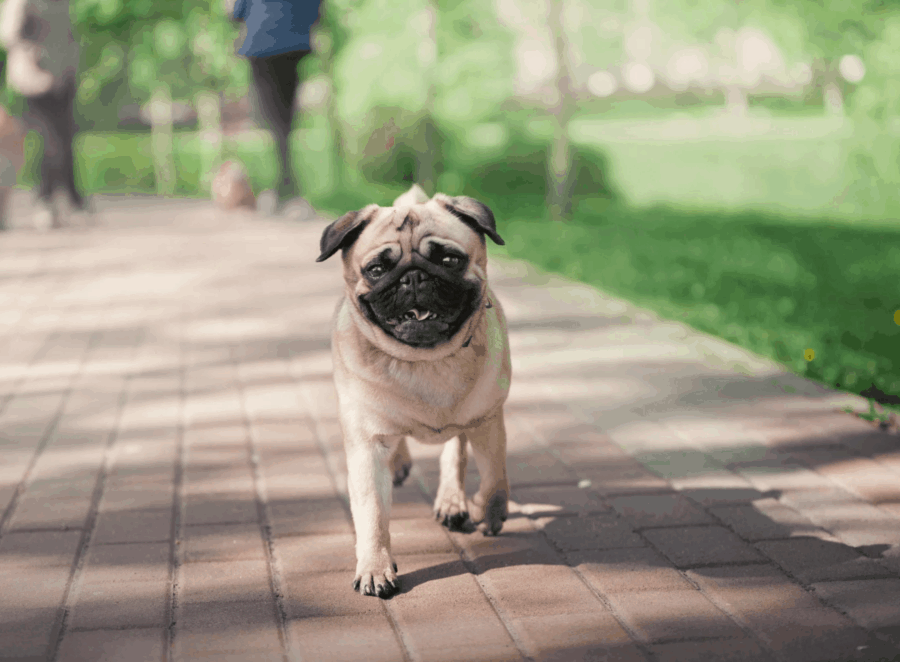
1. Immediate Post-Op Care: The First 24-48 Hours Are Critical
Your pug will be dizzy, lost, and in pain after surgery. This is how you can get them home in the safest way:
Keep them warm and comfortable
- Place the patient on a bed of soft padding with low sides so you can easily reach him or her.
- Hot floors are a no-no–a heated pet pad (low setting) and/or blankets.
- Maintain them in an ambiance that is far from a stressful situation in a non-lit room.
Survey the Side Effects of Anesthesia
Usual side effects: Sleepiness, shaking, nausea, or slight nausea.
Red flags (call vet right now):
- Vomiting repeatedly.
- Labored breathing.
- Unresponsiveness.
Blue gums or pale gums
- Deter Licking and Scratching the Wound
- Irritation can be prevented with a surgical suit or recovery cone (Elizabethan collar).
- Look twice or thrice a day at the incision area to ascertain redness, swelling, or any discharge.
2. Pain Management & Medication Tips
Pugs are prone to a low level of pain tolerance, and medication is necessary.
Vet-Prescription Pain-Medicine
- Typical medications: Carprofen, Gabapentin, Tramadol.
- Do not administer human pain medication (Tylenol, Advil) as it is toxic to a dog.
Look out for Excessive Sedation
- Some pain medications lead to drowsiness-scale back the activities.
3. Wound Care & Preventing Infections
Skin infections are common among pugs, and wound care should therefore be attended to.
Keep Incision Dry & Clean
- It is necessary to avoid baths for at least 10-14 days.
- In case of necessity, use vet-approved antiseptic wipes.
Infection Indicators (Veterinary Right Away)
- His discharge is pus or fetid discharge
- Too much swelling or heat
- The surgery cuts in.
4. Diet & Hydration Adjustments
Surgery may influence the appetite and digestion.
Provide Small Consistent Foods
- If you are nauseated, then start with bland food (boiled chicken + rice).
- Make sure there is access to fresh water at all times (dehydration hinders the healing process).
Prevent the addition of body weight
- A sedentary lifestyle may cause obesity- eat at the recommended portions.
5. Exercise Restrictions & Safe Mobility
Pugs are fond of play dates but hazardous play may result when they become overworked.
Mandatory 2 weeks (or more) of Rest
- No running, jumping, stair climbing- carry them in case you need to.
- Avoid straining the neck by using a harness (not a collar).
Slow Resumption of Action
- In 2 weeks, introduce short (leashed) walks.
- Wait 4-6 weeks post op before returning to normal play.
6. Monitoring for Complications
Breeds that are at risk of post-op complications are rachycephalic breeds such as pugs.
Look Out for the Breathing Problems
- Heavy panting, wheezing, or blue gums = emergent.
- Internal Bleeding (Rare and very Serious) Check (Internal Bleeding)
- Pale gums, poor strength, or bloated belly = run to a vet.
7. Long-Term Recovery & Follow-Up Care
- You need to go to all the vet check-ups to check the healing.
- An example is joint surgeries using physical therapy.
- Maintain weight management so that you do not have difficulties in the future.
Final Thoughts: Your Pug’s Recovery Depends on You!
Observing these detailed tips on recovery, you can minimize the risk and accelerate the progress of recovering your pug. As always, each dog is unique–call your vet to discuss that individual dog.
Pro Tip: Print this guide and give it to other pug owners so that they also can survive the post-surgery molt!