Dr. Huzaifa Shayan (Veterinarian/ Deep Researcher)
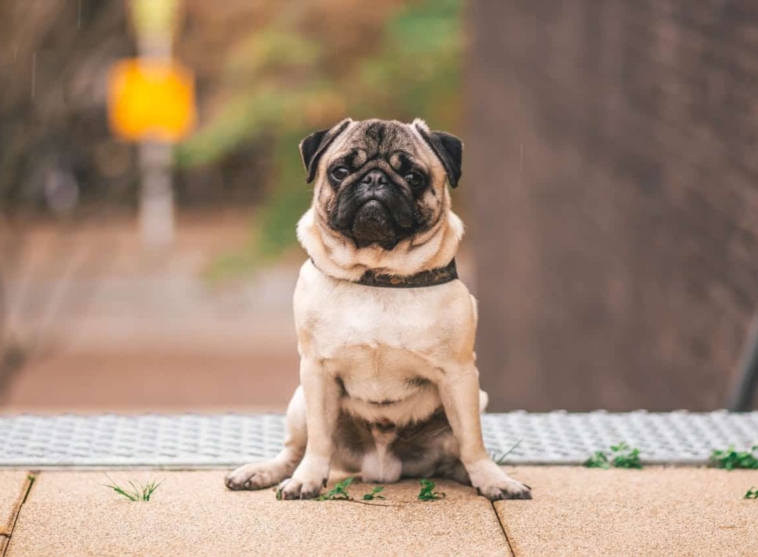
Pugs: Skin Fold Dermatitis (Intertrigo): Causes, Symptoms, and Guide to treatment
You smell of a pug that has a foul odor. On further examination, you discover the presence of redness, dampness and swollen skin concealed under those cute wrinkles. Your pug also feels bad and is scratching and rubbing against his furniture. What you are seeing is probably skin fold dermatitis that is one of most widespread health problems of pugs.
The skin fold dermatitis or intertrigo is a medical term that is used to describe an illness in almost all pugs. The same attractive wrinkles on the face which make the breed so unique also form ideal habitats of bacteria and fungi. Learning about this situation will make you avoid painful infections and keep pug comfortable in life.
Getting to know Skin Fold Dermatitis in Pugs
What Is Intertrigo?
Intertrigo is inflammation and infection that occurs in folds of skin touching two surfaces of skin constantly. This close contact produces warm, moist and dark conditions under which bacteria, yeast and fungi multiply. In the pugs, deep wrinkles of the face:
- Water in tears, drool and water consumed.
- Food particles and debris
- Dead skin cells
- Oils and secretions of the natural skin.
This mixture forms breeding places of microorganisms leading to infection, inflammation and tissue damage.
Why Pugs are so Egregiously Frail?
Darwinian breeding gave rise to excessive facial wrinkling that characterizes present day pugs. These profound furrows are of no use and lead to serious health problems:
Anatomical Factors:
- Several deep wrinkles and creases on the face.
- Concentrating wrinkles of the muzzle shortened in small area.
- Slow breath circulation between layers of the skin.
- Skull size is smaller than skin size.
- Deep nose above the nose (prominent nasal rope).
Regions that are prone to Skin Fold Dermatitis.
Facial Folds – Intertrigo
The commonest areas affected are:
Nasal Fold (Nose Rope):
- Severe furrow above nose to forehead.
- Traps the most moisture
- One of the earliest areas to get into trouble.
- Can be seriously infected when ignored.
Periocular Folds:
- Wrinkles surrounding eyes
- Collect tear overflow
- Continuous moisture of the eyes.
Cheek and Jowl Folds:
- Several wrinkles on face, multi-layered.
- Keep the food and water warm in between meals.
Lip Fold Dermatitis and Pyoderma
Lip fold dermatitis occurs in the junction of lower lips and facial skin. The particular type of intertrigo has its own difficulties:
Lip Fold Pyoderma Characteristics:
- Grows in the lower lips (commissures of mouth).
- Constant saliva exposure
- Food particle accumulation
- Strong odor when infected
- Ignored until usually aggravated.
Contributing Factors:
- Excessive drooling
- Food residue from meals
- Water held up following intake.
- Less apparent than the problems of faces.
Body Folds:
In addition to the face, intertrigo may occur in:
- Tail pocket (lower part of tail curls)
- Vulvar folds in females
- Rolls on neck of fat pugs.
- Axillary (armpit) regions
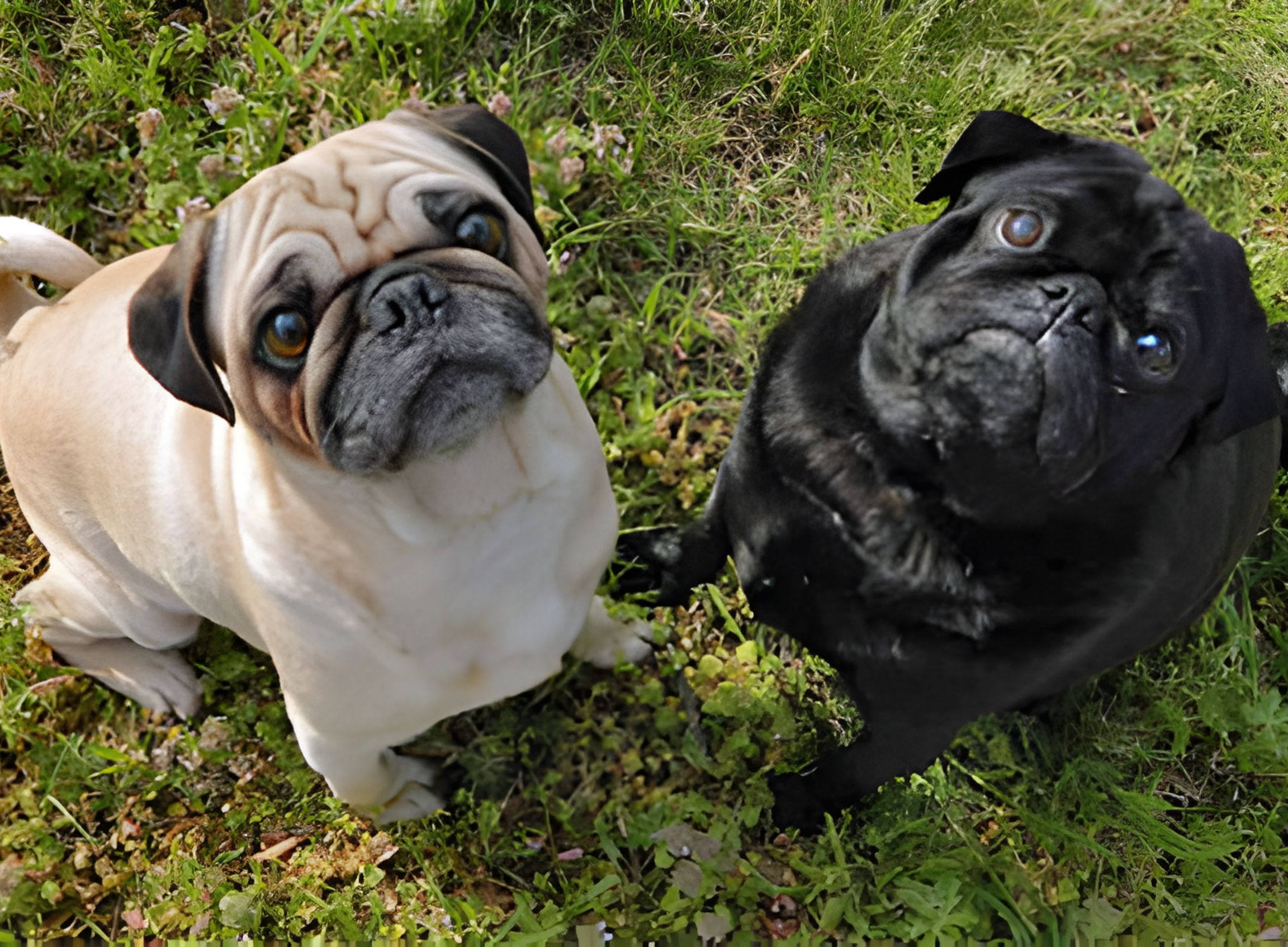
Identification of Skin Fold Dermatitis Incidences
Early Warning Signs
Early detection of problems eliminates severe infections:
Visual Indicators:
- Folds with redness (erythema).
- Moisture or dampness
- Darkened skin pigmentation
- Thin, shiny skin appearance
Behavioral Changes:
- Parent rubbing face on furniture, carpet.
- Pawing at affected areas
- Head shaking
- Aversion to face being touched.
- Irritability or discomfort
Progressive Symptoms
With the development of infection, other symptoms appear:
Physical Manifestations:
- Foul, musty odor
- Occurred in thick discharge (clear, yellow, or brown).
- Interfolds have crusty deposits.
- Hair loss in the surrounding of the affected areas.
- Open sores or ulcerations
- Exhaled blood, torn, broken skin.
Severe Complications:
- Deep tissue infection
- Permanent injury to the skin and scarring.
- Bacterial infections Secondary bacterial infections.
- Perpetual pain that impacts on a quality of life.
Root Causes and Contributing Factors
Primary Causes
Moisture Accumulation:
- Poor post drinking drying up.
- Excessive tear production
- Drooling and saliva
- Taking a swim or a bath without being properly dried.
Poor Air Circulation:
- Hatch-like skin does not allow evaporation.
- Formation of anaerobic (Oxide free) environments.
- Favorable bacterial environmental conditions.
Microbial Overgrowth:
- The most common one is the Staphylococcus.
- This infection is caused by Malassezia yeast.
- Complicated bacterial and fungal infections.
Aggravating Factors
Higher-weight:
- Manufactures more folds in the skin.
- Worsens existing wrinkles
- Limits the ability to self-move.
- Makes it difficult to clean by the owner.
Environmental Conditions:
- High humidity environments
- Sweating causing it to become hot.
- Lack of ventilation in the residential areas.
Weakened Immune Response:
- Skin skin allergies.
- Comorbid medical disorders.
- Poor nutrition
- Stress
Therapeutic methods of intertrigo
Intertrigo at Home Management
In cases without deep infection moderate in severity:
Daily Cleaning Protocol:
- Lift each fold gently
- Wipe using veterinary wrinkle wipe or unscented baby wipe.
- Wipe off using soft absorbent cloth.
- Add powder that was recommended by the veterinarian.
Cleaning Products to Be Recommended:
- Wipes of chlorhexidine (0.5-2% concentration)
- Yeast wipes of ketoconazole.
- Smell free, alcohol-free baby wipes.
- Saline solution on a sterile gauze.
Medical Treatment – Intertrigo
Moving skin fold dermatitis or moderate to severe: should be taken to the veterinary:
Topical Medications:
- Bacterial infections Bacterial ointments Antibiotics are used to treat a bacterial infection.
- Yeast overgrowth antifungal creams.
- Affected area shampoos made with medication.
- Steroid ointments to decrease inflammation (Do not be used longer than 2 weeks)
Systemic Treatments:
- Deep or widespread oral infection can be treated with oral antibiotics.
- Antifungal resistant yeast drugs.
- Cases of severe cases that require anti-inflammatory drugs.
Treatment Duration:
- Mild cases: 7-14 days
- Moderate infections: 2-4 weeks
- Acute or long-lasting: 4-8 weeks or more.
Intertrigo – Surgical Solutions
In case of chronic, inactive intertrigo surgery is possible:
Skin Fold Resection:
- Eliminates overgrowth of skin and deep wrinkles.
- Eradicates sources of problems permanently.
- Mostly done on nasal fold.
- Drastic increase in quality of life.
- Costs typically $800-$2,500
Prevention Strategies
Daily Maintenance Routine
Morning Care:
- Check each fold to see whether or not it is damp or clogged.
- Wipe and dry facial wrinkles
- Wipe the lips after breakfast.
- Check tail pocket
Evening Care:
- Repeat fold cleaning
- After drying; make sure it is dry.
- Use protective powder (where needed).
Environmental Controls:
- Keep the temperatures of the house at moderate levels.
- Dehumidifiers should be used in damp climates.
- Fans are good, provide good air circulation.
- Excess heat should be avoided.
Weight Management:
- Be of optimal body weight (14-18 pounds on average on a pug)
- Lessen skin folds due to obesity.
- Enhance and improve general immunity and health.
- Allow improved self-grooming.
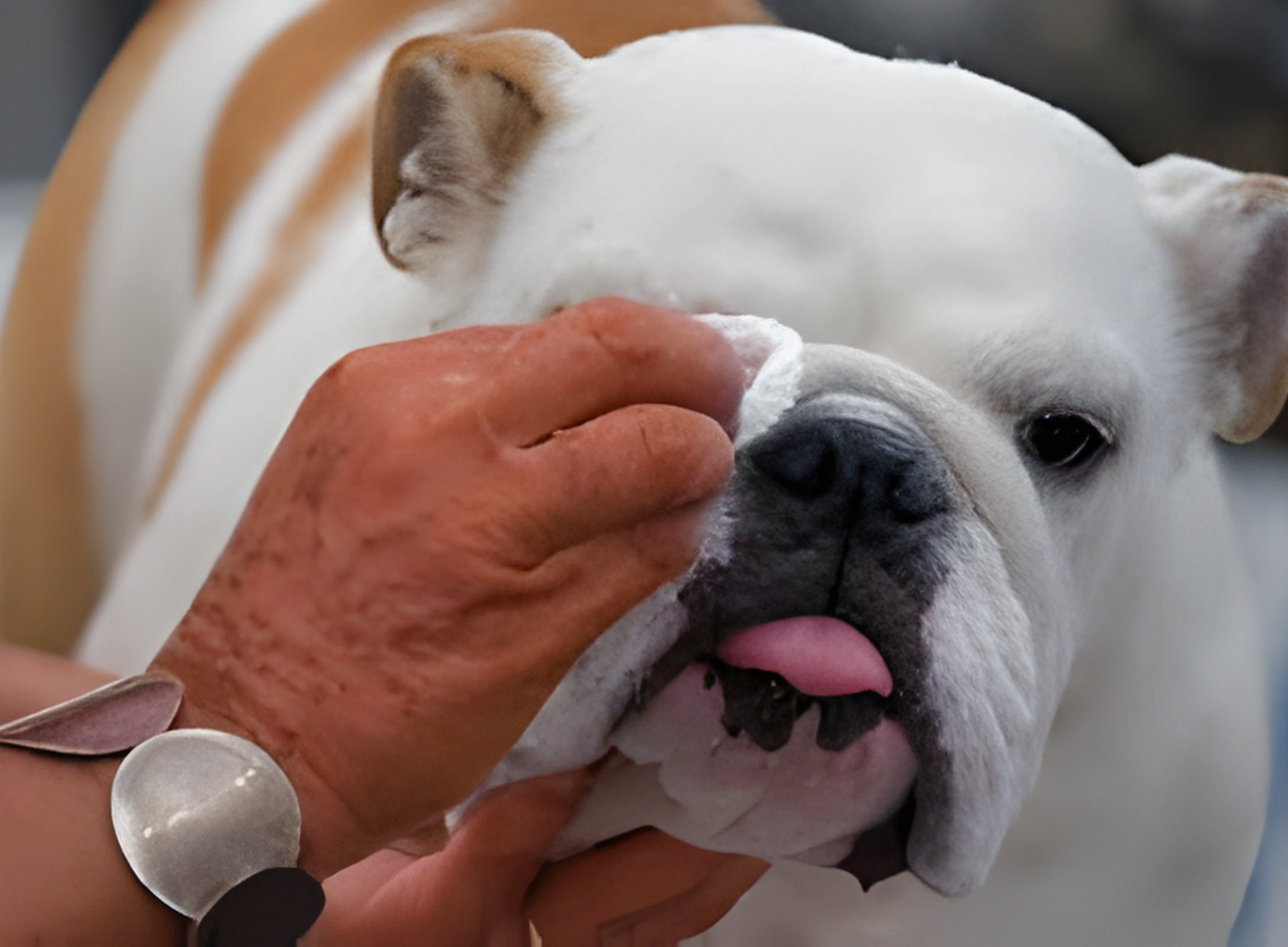
Common Mistakes Pug Owners Make
Uncleanliness:
- Bacteria can only create colonies on a rare occasion by cleaning the wrinkles. The daily care will avoid the onset of infections.
Unsuitable Use of Products:
- Scented Wipes: rough soaps, alcohol-based products or wipes, and sensitive skin are irritated by harsh soaps and only aggravate the inflammation. Use products which are recommended by the veterinary.
The third error is the lack of drying:
- Folds are wiped but they are not dried completely. Bacteria and yeast do not do well in dry places–cleaning is no better than drying.
The Overlooked Early Symptoms:
- Making light red or scent normal in pugs is excusable, which makes infections progress. Timely intervention avoids the severe complications.
Over-Application of Powders:
- Too much powder leads to clumps which traps dampness. Apply sparingly, a light dusting is adequate.
Dermatitis between skin folds: Pro Tips
- Introduce an early grooming habit which is based on rewards: Fold cleaning should be introduced to the train puppy with the help of treats and praise as this will be easier to maintain in the whole life.
- Prepare a cleaning station: Keep store wipes, powders and drying clothes somewhere accessible so that they are used routinely each day.
- The problem areas are documented with photos: Follow-up on folds that cause problems in the most cases and pay extra attention to them.
- Emergency powder Cornstarch: In the absence of veterinary powder, plain, unscented cornstarch is a moisture absorbent. Do not use baby powder which contains talc.
- Book professional hairdresser once a month: Groomers have the capacity to access hard to access areas and do a thorough job that cannot be done at home.
- Consider probiotics: Other veterinarians prescribe probiotic supplements to aid the wellbeing of the skin and curb the multiplication of bacteria.
Pug Skin Fold Dermatitis Frequently Asked Questions.
Q-1: What do you think I should clean my pugs wrinkles?
- Prevention is best performed through cleaning daily. Cleaning of pugs twice a day may be necessary in pugs with a history of skin fold dermatitis, or in pugs residing in damp environments. Wash clothes at least once a week in order to avoid the accumulation of bacteria.
Q-2: How do I dry off my pug so that it does not have wrinkles?
- Apply spongy absorbent cotton cloths or pads of gauze. Pat, pat Inside every fold. Other owners apply a hairdryer on cool position at 12 inches. Make sure that everything is dry before powder on top.
Q-3: Is it transferable to human beings through skin fold dermatitis?
- Although the bacterial and fungal organisms that cause a pug intertrigo have the potential to exploit humans, the transmission is very infrequent. Nevertheless, it is of good hygiene to wash hands after cleaning the folds of your pug.
Q-4: Does my pug grow out of skin folds?
- No. The wrinkles that led to intertrigo are permanent anatomical structures. Skin fold dermatitis will reoccur with no lifelong preventive care. The only permanent solution is by surgical removal of problematic folds.
Q-5: Can any one be sure whether his pug has lip fold dermatitis to be treated by the veterinary?
- Get veterinary treatment in case you are experiencing thick discharge, open sore, bleeding, foul odor or in cases where a sore is painful as your pug eats. Your vet should also consulted, in case home treatment fails to address the symptoms in 3-5 days.
Keeping Your Pug Healthy in the Skin
Skin fold dermatitis is a controllable yet permanent issue of pug owners. With such cute wrinkles, it is necessary to pay special attention to it every day to avoid painful infections and keep your dog comfortable and healthy.
Cleaning routines, correct usage of products, and folds control should created regularly and checked by an expert to detect problems at an initial stage. In case of infections, even with preventive measures, it is necessary to treat the animal in a veterinary clinic to avoid complications.
The quality of life of your pug directly depends on your determination to maintain the wrinkles. The little time spent every day on fold care helps to avoid the painful infections, big bills at the veterinary clinic, and unnecessary pain.