Hamza Sajjad
Introduction: Understanding Your Aging Pug
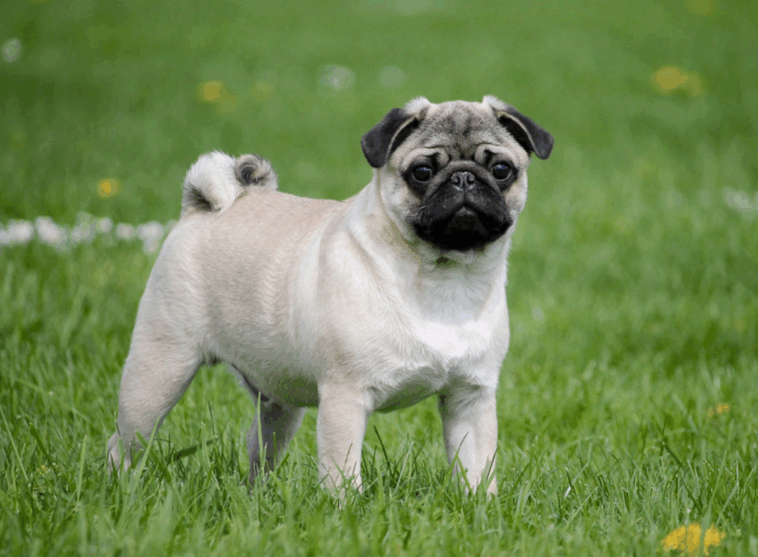
Being a passionate Pug owner, it is essential to become aware of the things indicating the fact that your Pug is aging to make it comfortable and promote its long life. Pugs are adorable, adorable little critters with their wrinkles and their antics, and are generally 12-15 years old. Aging in them, however, introduces mild and pronounced alterations in behavior, health, and mobility.
This comprehensive guide discusses all the facets of Pug care in old age, including changes in physical symptoms or emotional states, to ensure that you know how to be as helpful to your furry relative as possible.
Physical Signs Your Pug Is Getting Older
1. Reduced Energy and Mobility
- Decreased speed: The inability to climb stairs or jump to furniture.
- Post-rest stiffness: Older Pugs have arthritis.
- Shorter walks: They get weary easily as they would like short and slow walks.
2. Weight and Appetite
- Increase in weight: Increased weight gain is because the metabolic process becomes slower.
- Loss of weight: Oral problems or loss of nutrient absorption.
- More finicky eating: more advanced Pugs can have sensitivities on certain foods.
3. Hearing and sight Impairment
- Cloudy eyes (nuclear sclerosis): A common problem later in life of the Pug that is not necessarily painful.
- Colliding into objects: It can mean that one can lose their sight.
- Be less sensitive to noise: a lack of hearing capacity may make them look insensible.
4. Skin and Coat alterations
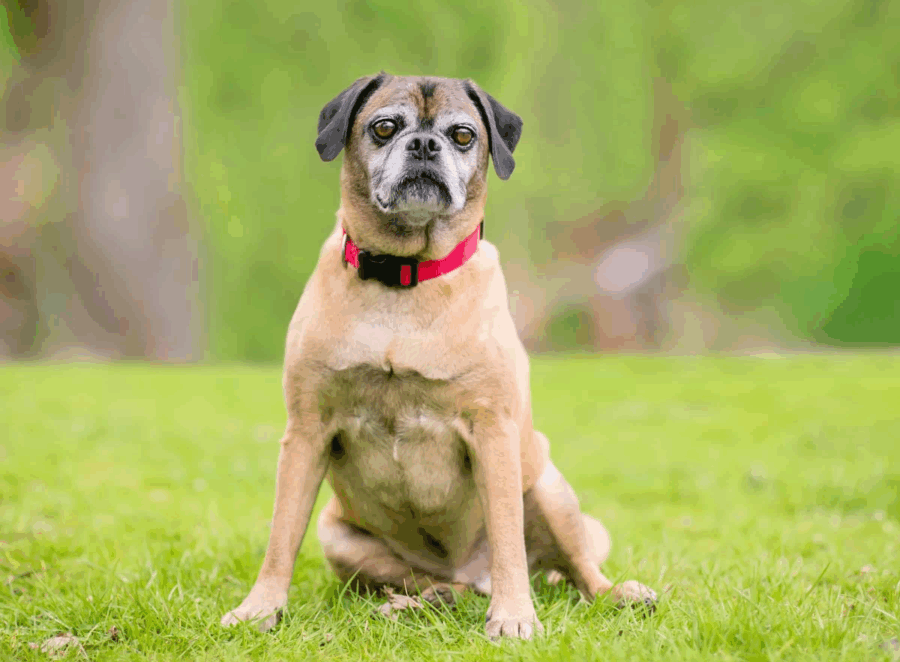
- Growing gray: Particularly on the muzzle and in and around the eyes.
- Dry, peeling: Decreased oil production.
- Losing gold: Hormonal alterations or diet deficiencies.
5. Dental Problems
- Bad breath can be one of the indicators of gum disease.
- Missing and shaky teeth: Causes difficulties in chewing.
- Over-salivation: May be a sign that a child feels pain in the mouth.
Behavioral and Cognitive Signs of Aging in Pugs
1. Sleepiness and Lethargy Increased Sleep
- Pugs are known to sleep 16-18 hours a day as they get older, since they only sleep 12-14 hours as youngsters.
- Less enthusiasm about playing or having toys.
2. Confusion, or disorientation (canine Cognitive Dysfunction)
- Pacing or aimlessly wandering.
- Glaring at walls or just looking like they are lost in places to which they are used to.
- Alteration of the sleep-wake patterns (Night restlessness).
3. Nervousness or More Clingy
- Separation anxiety: Quite vocal during separation.
- Trailing you everywhere: To gain assurance.
4. Lower Housetraining Control
- Indoor accidents occur because of weakened muscles, weakening the bladder.
- Losing commands they knew.
Health Issues Common in Senior Pugs
1. Arthritis and Joint Pain
- Symptoms: Limping, hesitation to move, yelping, on touching.
- Remedies: Orthopedic beds, joint supplements (glucosamine), and pain reliever prescription by the vet.
2. Disease and Breathing Ailments
- The pugs are brachycephalic, and they find it difficult to breathe with aging.
- Signs of congestive heart failure: Labored breathing, fatigue, and cough.
3. Kidney and Liver disease
- Frequent and increased urination as well as thirst.
- Both vomiting and a lack of appetite.
4. Diabetes and Imbalances of Thyroid Function
- weight loss and weight gain, starvation, or somnolence.
How to Care for Your Aging Pug
1. Change Their Food
- Special dog food: dogs with special food needs Older (fewer calories, more fiber).
- Soft or wet food: when there are dental problems.
- Omega-3 pill supplements for joint and coat conditions.
2. Routine Vet Checks (6 Monthly)
- Blood tests can serve as an early alert of lurking organ problems.
- Teeth cleaning to avoid infections.
3. Light Activity and Everything Comfortable
- Frequent short walks in maintaining mobility.
- Ramps or stairs that would allow them to access furniture without problems.
- Hot pads for arthritic relief.
4. Mental Stimulation
- Games and toys to delay dementia.
- Mental exercises such as training refreshers.
5. Emotional Support
- Even more hugging and comforting.
- Routines to help create less anxiety.
Final Thoughts: Making Their Golden Years Comfortable
Understanding the units your Pug starts to become older will help you adjust the way you take care of them so that they can be joyful and fit. Your aging Pug will live out the rest of their life with dignity and glee, given that you provide them with a good diet, good vet care, and lots of love.
Pro Tip: Catch it early, and intervention is vital- make an appointment with your vet ASAP once you begin to see a change in behavior or health!
With this guide, you not only ensure the quality of life of your Pug but also the optimal ranking of your site in search engines, as pet owners seek help on trustworthy information about caring for older Pugs.
Tips to make your aging Pug flourish. Ready? Bookmark it and share with other Pug lovers!