Hamza Sajjad
Introduction
As a devoted pug owner, watching your playful, energetic companion grow older can be bittersweet. Pugs, with their charming personalities and expressive faces, typically live between 12 to 15 years, but they start showing signs of aging around 7 to 9 years old. Recognizing these changes early can help you provide the best care for your senior pug, ensuring their golden years are comfortable and joyful.
In this comprehensive guide, we’ll explore the physical, behavioral, and health-related signs that indicate your pug is entering their senior years. We’ll also discuss how to adjust their care routine, dietary needs, and when to consult a vet—so you can keep your pug happy and healthy for as long as possible.
Physical Signs Your Pug Is Aging
A. Graying Fur and Thinning Coat
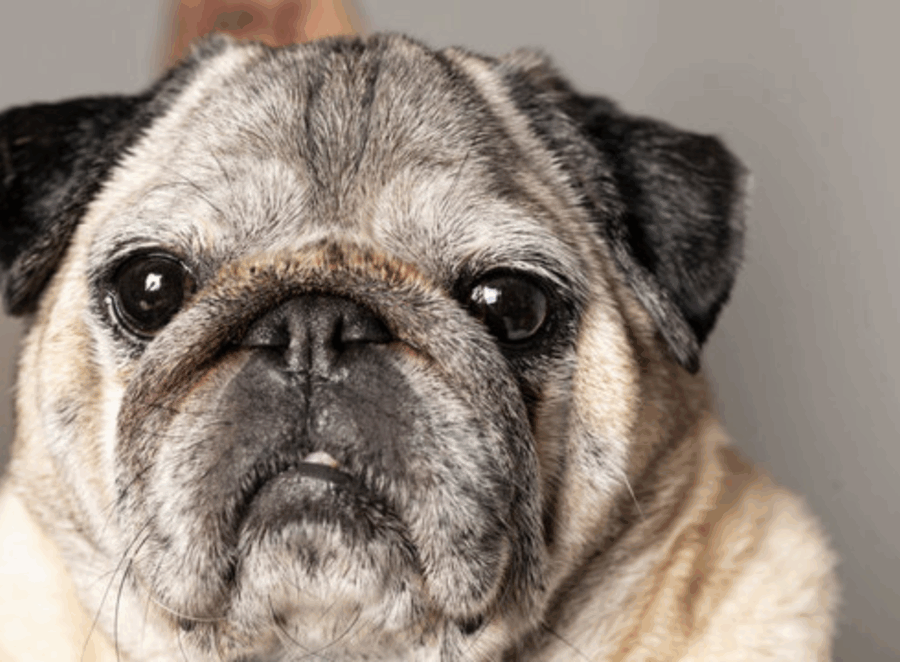
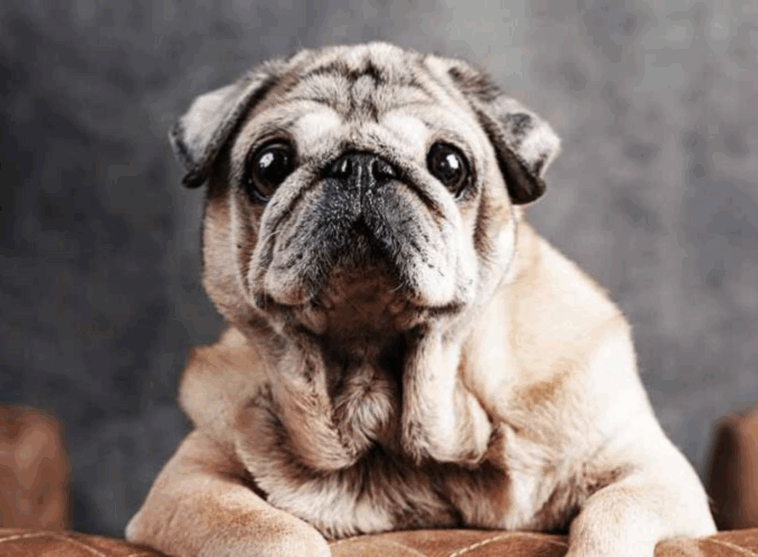
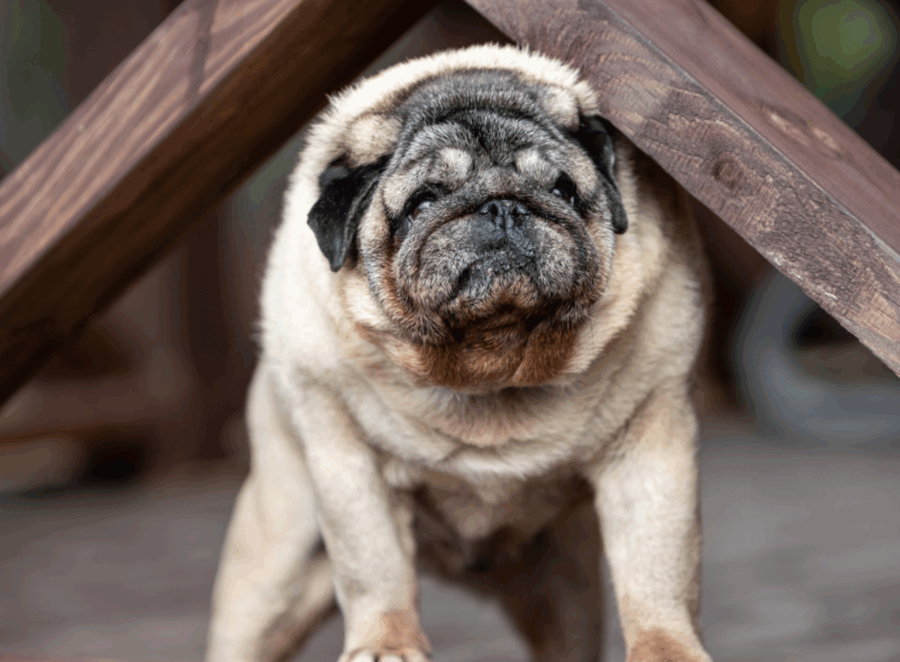
One of the first visible signs of aging in pugs is graying around the muzzle, eyebrows, and paws. Their once-smooth coat may also become thinner, drier, or patchy due to reduced oil production in the skin.
What You Can Do:
-
Brush them regularly to stimulate natural oils.
-
Use moisturizing dog shampoos to prevent dry skin.
-
Consider omega-3 supplements for coat health.
B. Reduced Mobility and Stiffness
Senior pugs often develop arthritis or joint pain, making movements slower and more labored. You might notice:
-
Difficulty climbing stairs or jumping onto furniture.
-
Stiffness after resting (limping or slow walking).
-
Reluctance to exercise or shorter walks.
What You Can Do:
-
Provide orthopedic dog beds for joint support.
-
Use ramps or steps to help them access furniture.
-
Ask your vet about joint supplements (glucosamine, chondroitin) or pain management.
C. Weight Changes (Gain or Loss)
Metabolism slows with age, leading to weight gain if diet and exercise aren’t adjusted. Conversely, some senior pugs lose weight due to dental issues, reduced appetite, or underlying illnesses.
What You Can Do:
-
Switch to a senior-specific dog food (lower calories, higher fiber).
-
Monitor portion sizes and avoid excessive treats.
-
Schedule regular vet check-ups to rule out health problems.
D. Vision and Hearing Loss
Cloudy eyes (nuclear sclerosis) or cataracts can impair vision, while hearing loss may make your pug less responsive to commands.
What You Can Do:
-
Keep furniture arrangements consistent to avoid confusion.
-
Use hand signals if hearing declines.
-
Visit a vet if eye cloudiness worsens (could indicate glaucoma).
Behavioral Changes in Senior Pugs
A. Increased Sleep and Lower Energy
Young pugs are playful and curious, but chief sleep more (up to 18 hours a day) and show less interest in activities.
What You Can Do:
-
Maintain a quiet, cozy sleeping area.
-
Engage them in gentle play (short walks, light fetch).
B. Confusion or Disorientation
Cognitive decline (Canine Cognitive Dysfunction) can cause:
-
Pacing or staring at walls.
-
Forgetting house training.
-
Anxiety or increased clinginess.
What You Can Do:
-
Keep a consistent daily routine.
-
Use brain-stimulating toys (puzzle feeders).
-
Ask your vet about anti-anxiety meds or supplements (CBD, melatonin).
C. Changes in Social Behavior
Some senior pugs become more irritable due to pain, while others seek constant comfort and attention.
What You Can Do:
-
Be patient—avoid scolding for accidents.
-
Provide extra cuddles and reassurance.
Health Issues Common in Senior Pugs
A. Dental Problems
Bad breath, tooth decay, and gum disease are common due to weakened immune systems.
What You Can Do:
-
Brush their teeth 2-3 times a week.
-
Provide dental chews or water additives.
B. Heart and Respiratory Issues
Pugs are prone to heart murmurs and brachycephalic airway syndrome, which worsen with age. Watch for:
-
Excessive panting or coughing.
-
Blue-tinged gums (emergency sign).
What You Can Do:
-
Avoid overexertion in hot weather.
-
Keep up with annual heart check-ups.
C. Kidney and Liver Disease
Increased thirst, frequent urination, or vomiting may indicate organ dysfunction.
What You Can Do:
-
Feed a low-protein diet if recommended by a vet.
-
Ensure fresh water is always available.
How to Care for a Senior Pug
A. Adjust Their Diet
-
High-quality senior dog food (with digestive enzymes).
-
Probiotics for gut health.
B. Modify Exercise Routines
-
Shorter, more frequent walks (avoid overexertion).
-
Gentle playtime (tug-of-war with soft toys).
C. Regular Vet Visits
-
Bi-annual check-ups (bloodwork, dental exams).
-
Early detection of diseases like diabetes or cancer.
Final Thoughts: Making Their Golden Years Special
Aging is inevitable, but with proper care, love, and attention, your senior pug can enjoy a happy, comfortable life. Watch for early warning signs, adjust their lifestyle and diet, and consult your vet for personalized advice.
By understanding these key signs of aging in pugs, you’re ensuring your furry friend gets the best care possible—because they’ve spent their lives loving you, and they deserve nothing less in return.