Hamza Sajjad
Introduction: Understanding Allergies in Pugs
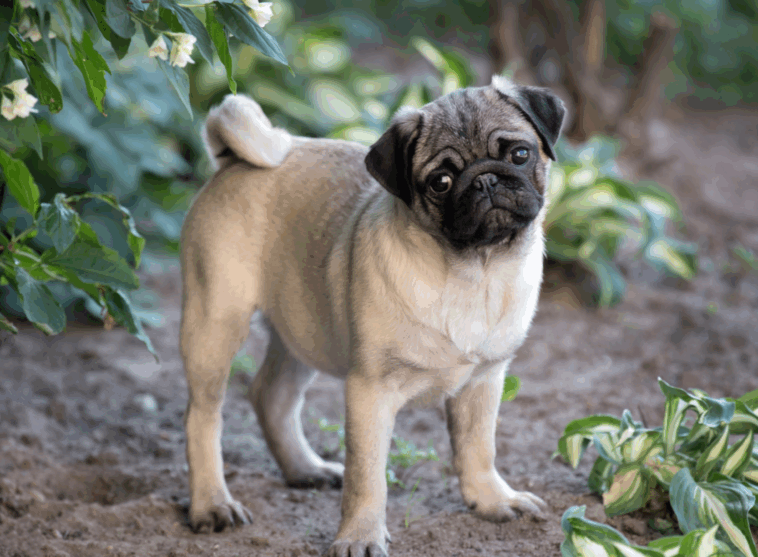
Pugs comprise affectionate and adorable pets, yet due to their unusual physical appearance, including wrinkled skin, short snouts, and a weak immune system, they latter also makes them akin to allergies. Early identification of the signs of allergies in Pugs may help to avoid discomfort and serious skin infections, and chronic conditions. Whether you have just become the proud parent of a beautiful Pug or you want to know how to take care of the little one you already have, this guide to Pug allergies discusses all details of this issue, including its symptoms and causes, diagnosis, and treatment, so your furry friend can stay happy and healthy.
Common Signs of Allergies in Pugs
Pugs develop allergies in different ways, and it is mainly related to their skin, ears, and gastrointestinal system. These are the most common symptoms to look out:
1. Irritation and Itching of Skin (Pruritus)
- Over licking, scratching, or biting at paws, belly, and face
- Ruddy, erupted skin (dermatitis)
- Hot spots (moist infected sores)
- Crusts or scabs
2. Ear Deafness /Infections (Otitis Externa)
- This is manifested more by shaking the head or tilting the ears.
- Waxy discharge in the dark
- Stinking of ears
- Bloated and red ear cuts
3. Respiratory Symptoms
- Wheezing, cough, or sneezing
- red eyes or running memory
- Reverse sneezing(typical of brachycephalic breeds)
4. Digestive Problems (Food Allergy)
- Prolonged diarrhea or Loose bowel movements
- Regurgitation or vomiting
- Gas or bloating à la carte
5. Loss of Hair and Skin changes
- Irregular baldness (alopecia)
- Dry scaly skin (dandruff)
- Darkened or mostly thickened skin (hyperpigmentation)
Types of Allergies in Pugs
Allergies vary in pugs, and each kind demands a particular management.
1. Atopic (Environmental) Allergies (Atopic Dermatitis)
- Triggers: pollen, dust mites, mold, grass, and household chemicals
- Symptoms: Itching during seasons, licking of paws, facial rubbing, and the face
2. Food Allergies
- Typical Allergens: Beef, chicken, dairy, wheat, soy, and eggs
- Symptoms: Chronic infections of the ears, stomach upset, rashes on the skin
3. FAD / Flea Allergy Dermatitis
- Cause: Flea saliva causes a severe allergic response
- Symptoms: Severe itching, most particularly in the base tail
4. Contact Allergies
- Triggering factors: Shampoos, detergents, and plastic bowls or artificial fabrics
- Symptoms: Red, angry skin in those areas of contact
Diagnosing Allergies in Pugs
When you suspect you have persistent allergy symptoms in your Pug, a veterinarian should be consulted. Tests can entail:
- Skin Scraping & Cytology (scrape skin & look at cells to see infection/wound)
- Blood Tests( environmental allergen sensitivity)
- Challenge (or Elimination) Diet Trials (in food allergies)
- used Intradermal Allergy Testing (to accurately identify allergens)
Effective Treatments for Pug Allergies
1. Medications & Therapies
- Mild allergies: intake of antihistamines (e.g., Benadryl, Zyrtec).
- Steroids (with severe inflammation, only short-term use).
- Immunotherapy (long-term therapy with allergy shots).
- Antibiotics/Antifungals (secondary infections).
2. Dietary Management
- Diets with few ingredients or Hypoallergenic Diets.
- New Protein Sources (e.g., duck, venison, kangaroo).
- Omega-3 Supplements(low inflammation).
3. Environmental Control
- Hypoallergenic Shampoos (regularly bathing).
- HEPA Air Filters (as a method of decreasing air allergens in the air).
- Frequent washing of Bedding (in fragrance-free detergents).
4. Flea Prevention
- Flea Treatments (e.g., Monthly Flea Treatments (Frontline, NexGard)
- Flea Collars or Natural Repellents.
Preventing Allergies in Pugs
- Feeding high-quality, Grain-Free Diets
- Take Ceramic or Stainless Steel Bowls (to resist plastic allergies)
- Have Clean and Dust-Free Living Spaces
- Routine vet checks (early) (detection)
Conclusion: Act Fast for Your Pug’s Comfort
It is possible to significantly enhance the quality of life of Pugs by identifying the signs of allergies at an early stage. It can be food, fleas, or environmental causes, but an immediate response and visit to the veterinarian can make your Pug free of itch and happy.
Increase the Health of Your Pug Today! Bookmark the guide and spread the word about it to the other Pug owners. To get more professional pet care tips, subscribe to our newsletter!