Dr. Huzaifa Shayan (Veterinarian/ Deep Researcher)
Last updated on February 26th, 2026
The question of puppy potty training: How long does it take, and how to find your free timeline calculator?
When you bring a new puppy home it is one of the best joys of life before you realize you have washed up your third accident before you got out of bed. So, how long is the puppy potty training, you ask yourself, as you are not alone. It is one of the most frequently asked questions of new dog owners, and the answer is not as simple as expected by most people. The quickies: the majority of puppies are consistently house-trained at the age of 4 to 6 months. But breed, regularity and training can round that figure to between 8 weeks to a year and more. This is all you have to know to ensure that it is quicker, easier, and much less stressful.Puppy Potty Training Schedule: What to Expect in Just a Minute.
To understand the puppy potty training schedule it is best to begin with biology. Puppies do not have control over their bladder up until they are approximately 12-16 weeks. Prior to it, accidents are not disobedience these are just physical constraints. The following is an approximate timetable of a puppy potty training:- 8-10 weeks: They must at least empty on a 30-45 minutes interval during the waking hours. Expect frequent accidents. stress on creating routine, but not pefection.
- 10-12 weeks: There is a slight improvement in bladder control. Start to take your puppy to the outdoors after every 1-2 hours in a regular puppy potty routine.
- 3-4 months: The majority of puppies are able to hold it 2-3 hours. This is whereby actual improvement occurs through regular training.
- 4-6 months: At this age, most of the puppies are very close to full reliability, but they still have the possibility of making night accidents.
- 6-12 months: The complete control over the bladder is usually determined. Any continuous accidents are normally routine or behavioral based.
Your Puppy Potty Training Calculator
Find out the approximate interval between bathroom breaks of your puppy with the help of the following simple formula: Max Hold Time (hours) = Age of puppy (months) +1. Thus a 2 months old puppy can only hold it not more than 3 hours at maximum – in optimal, alert circumstances. The same is true at nighttime and that is why using the night to 2 month old puppy training potty training may be brutal. Set an alarm on 3-4 hour intervals and take them outside at any point of time.The basics of Puppy Training: Potty Training.
The secret to training a puppy to use the restroom is simple and based on three pillars of knowledge, the first is consistency, the second is supervision, and the third is positive reinforcement.Step 1: Have a Set Routine.
Take your puppy outside:- First thing in the morning
- Following each food intake (at 10-15min)
- After naps and playtime
- Before bedtime
Step 2: Select Your Training Method.
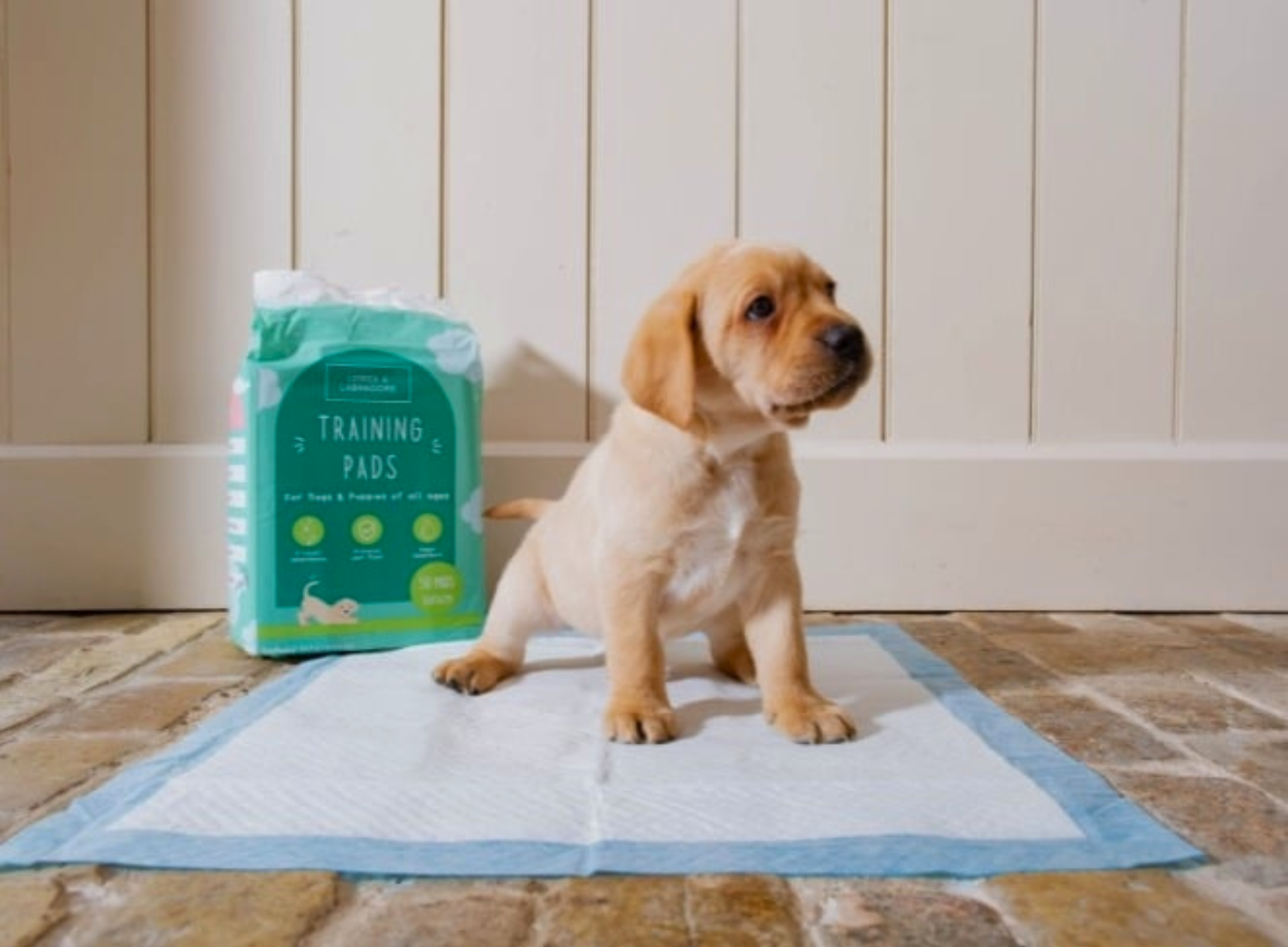
Outdoor Training: The gold standard. Go the same place each time you take your puppy. The smell will make one feel the desire to move. Spray a puppy potty training pot on the target area such as Nature’s Miracle Puppy Potty Training Spray which has attractant pheromones indicating where to go. Indoor Training with Pads: Puppy potty pads (also known as puppy potty training pads) are an effective transition particularly in the case of a very young puppy or when you live in a high-rise. Install an indoor toilet station potty close to a door which they will eventually move to. The negatives: there are dogs that get pad-addicted and are difficult to train outdoors in the future, so they should be taught at a young age.Step 3: Strategize the usage of the Crate
The effectiveness of puppy potty training crates is due to the fact that dogs do not like to wet their sleeping space. Make the crate no bigger than your puppy is so that the puppy can stand in it, turn around, and lie. They are too big, and they will make up a corner a bathroom. Potty training is accompanied by crate training.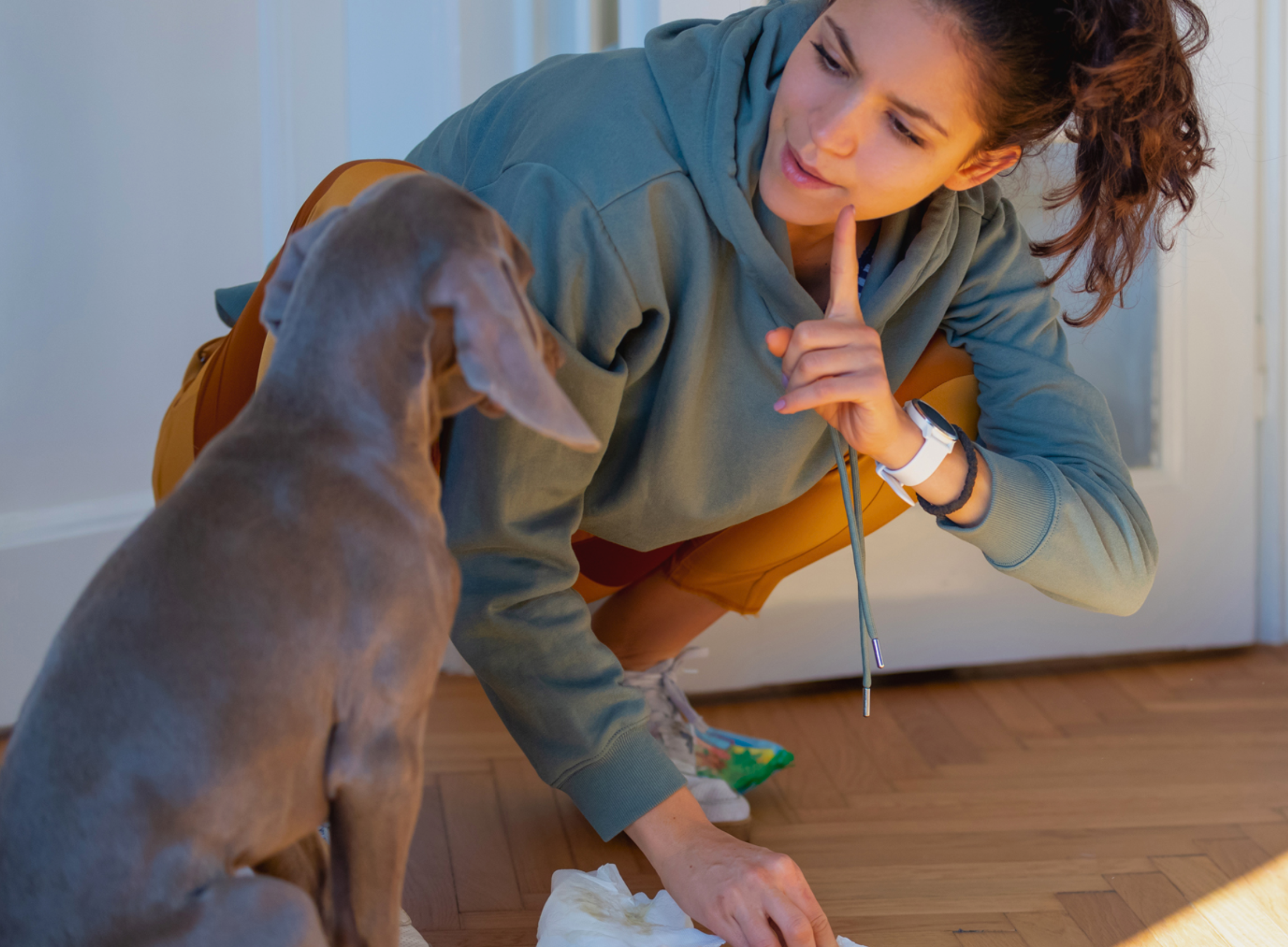
Puppy Potty Training Regression: What, Why, and How to Correct.
Your puppy starts again having accidents just when you think you have got it. It is puppy potty training regression that is even more prevalent than most owners may anticipate. Common causes include:- New domestic set up or routine.
- New sibling or pet which brings out stress.
- A medical condition (UTIs are widespread in the young dogs)
- Lack of reinforcing the behavior by various members of the household.
Pro Tips for Faster Results
Reward all the achievements that are made outdoors with instant verbal approval and a small reward. Time is important- must be rewarded within 2 seconds after them completing. Do not punish accidents within the house. It creates fear, not learning. Wipe the area off with a clean enzyme cleaner to ensure that the scent does not cause recurrence accidents. Watch for pre-accident indicators – sniffing, circling, squatting or coming to a corner. Act now and subvert externally. Go to puppy potty training classes in the case that you are bad. Group sessions or individual training with a certified trainer (enter in Google or Yelp the query, i.e., puppy potty training near me) may can be highly effective in speeding up the process. Temporarily use a puppy potty pad to provide a safety net not the long-term solution especially when you are training to use the outdoors as your ultimate goal.Widely used Training Mistakes.
- Excessive freedom at an early age: The puppy should be contained in an area that is supervised until 90 per cent reliable.
- Inconsistent schedule: When there are some family members that adhere to the routine and others that do not your puppy is the loser.
- Emotional response to accidents: Puppies become frustrated and thus prolonged training may occur.
- Skipping nighttime trips: This is particularly important during 2 month old puppy potty training at night time – missing the alarm gives you a step backwards that would cost you days before you achieve success.