Dr. Huzaifa Shayan (Veterinarian/ Deep Researcher)
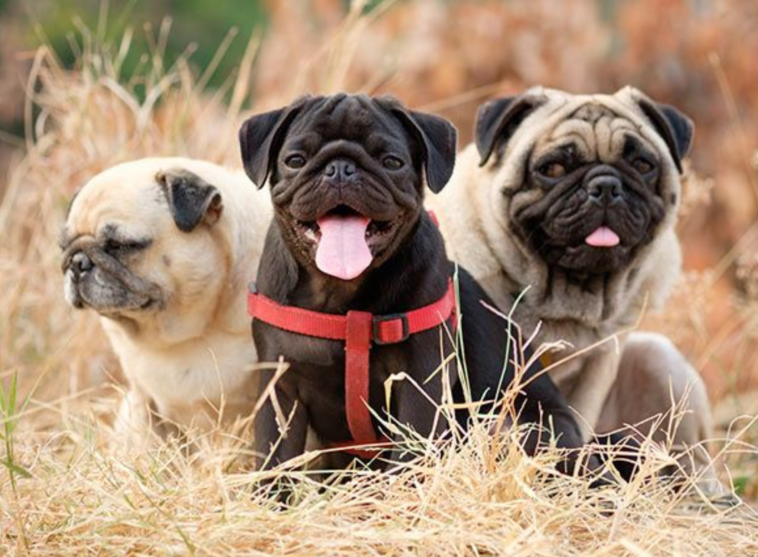
How Long Do Pugs Live? Pugs Lifespan, Health Hazards and Treatments.
When you are thinking about the acquisition of a pug into your family or already have one of these adorable creatures in your home, it is quite a natural question to see what the expected lifespan of these pets is going to be.The wrinkled face and the curled tail that make pug dogs so appealing have their own health side effects that directly affect the length of time you will be with them.
Having a clue on Pug Lifespan: What to expect.
The lifespan of the pugs is 12 to 15 years, and many of them can live up to the upper limit with proper care. This makes them firmly in the mediocre group of small dogs. Nevertheless, the life expectancy of the pug depends greatly upon the genetic composition, the surrounding environment, and the proactive approach of the owner to meet their special health requirements.
There are also a few unique instances of pugs living past 17 years, but usually these are situations where the owners were very strict in keeping their weights under control, dealt with health problem early enough, and ensured frequent visits to the vets during the lifetime of the dog.
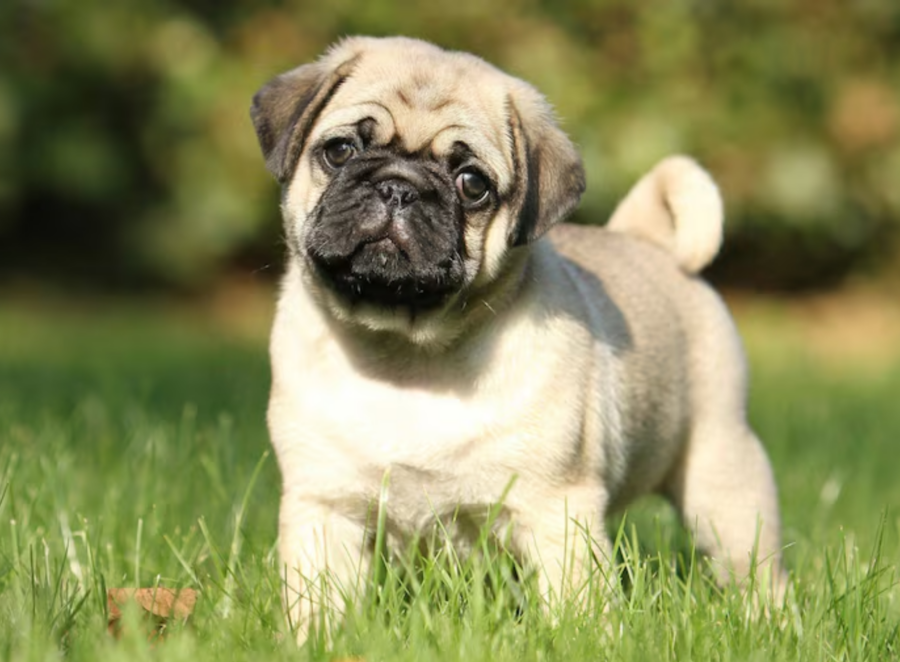
Factors That Determine the Age in which Pugs Live.
A number of factors define whether your pug is going to make 12 years or make it even to 15:
- Breeding Quality: Pugs bred by responsible breeders that screen against genetic diseases have a longer and healthier life span.
- Weight control: Obesity is more catastrophic on the life expectancy of pugs than in most other breeds.
- Intervention early: It is a significant difference when respiratory or eye problems are identified in their first stages.
- Living conditions: Temperature-regulated areas are incredibly important to such temperature-sensitive dogs.
- Veterinary checkups: Annual checkups are used to detect emerging problems before they occur and become life threatening.
The Health Problems that Are Common in Pugs.
The peculiarities of the pug character which are the flattened nose, the wide-eyed expression, and the small size of the body compose foreseeable health issues. Knowing these is not to depress you but to enable you to give a more excellent care.
Obstructive Airway Syndrome Brachycephalic Obstructive Airway Syndrome (BOAS)
Their whole head is shortened and ends up limiting their breathing airways because of the pugs shape. This will be detected when your pug snores or snorts or finds difficulty breathing in physical activities or warm weather. BOAS is mild to severe, and which in severe cases, surgery can help greatly to enhance the quality of life and survival.
Be on the lookout of such warning signs:
- Panting whilst doing minimal activity.
- Purple-coloured lips on exercise.
- Dyspnea with a lot of gagging or choking.
- Unability to walk longer than several minutes.
- Collapsing after exertion
Eye Problems
With those expressive eyes they are subject to a variety of conditions:
- Proptosis: The eyeball may literally pop out of the socket as a result of trauma or even too much straining.
- Corneal ulcers: The scratches on the eye surface which may cause severe infections.
- Dry eye: The lack of the production of tears creates discomfort and eye problems.
- Progressive retinal atrophy: A hereditary disorder that causes blindness.
Skin Fold Dermatitis
The pugs are seen to be adorable with wrinkles that trap moisture thus creating the ideal conditions of bacteria and yeast infections. These folds cause painful and odorous problems areas without frequent cleaning which makes a considerable difference in the quality of life of your dog.
Hip Dysplasia and Joint Problems.
Even though they are small, pugs normally have hip dysplasia in which the hip joint fails to develop normally. This is even more painful when they grow old and may cripple them during their old age.
Pug Dog Encephalitis (PDE)
This is a fatal brain inflammation that only pugs get. Although rather uncommon, with an approximate prevalence of 1-2 per cent of pugs, it usually attacks young adults. It has no cure but scientists are working on developing genetic markers.
Critical Care Hints to Lengthen your Pugs Life
Weight Management Not Negotiable.
A fat pig has a much longer life than a pug which is lean. Their small size was not intended to support the additional weight, and over-weight only worsens all the health complications they are pre-disposed to, in particular, respiratory complications and arthritis.
The pug must also have a noticeable waist when looking directly up and you must touch (not see) their ribs with light pressure. When you cannot feel ribs by pushing against the fat it is time to make your pug slim.
Practical feeding approach:
- Weigh food accurately on a cup or a scale.
- Select protein based food of good quality.
- Restrict snacks to one out of 10 calories.
- Replacement vegetables such as carrots or green beans are low calorie.
- Eat two smaller meals as opposed to a big meal.
Control saves Lives Temperature Control – Pug’s Lifespan
Pugs are inefficient cooling their airways because they are shortened. A pug can die of heat stroke within minutes and not hours.
Do not leave your pug outside when the weather is over 75 deg F and give:
- The availability of air conditioning in summer.
- Multiple water sources
- Darkened when they are needed out of doors but briefly.
- Use of cooling mats or vests in the warm weather.
- Small strolls in the early morning and in the evening.
Daily Face and Wrinkle Care
Daily Requirments– Wipe your pug in his folds after two minutes a day:
- Apply a soft and wet towel or unscented baby wet towel.
- Delicately wash between every wrinkle.
- Wipe dry with a different piece of clean cloth.
- Assessment of redness, odor, or discharge.
- Use barrier cream, as advised by veterinarians.
Practice: The Goldratt of Enough and Too Much.
Pugs require exercising every day to keep the weight and muscle tone within healthy range, keeping their breathing limitations, which are different when it comes to other breeds:
- One 30 minute walk is beaten by two 15 minute walks a day.
- Halt at once on the event of difficulty in breathing on the part of your pug.
- Avoid midday heat entirely
- Swimming (wearing a life vest) is a good exercise with minimal impacts.
- The play sessions inside are effective in extreme temperatures.
Common Mistakes Pug Owners Make
Error of Commission: Cute Snoring.
Snoring is an ordinary condition in pugs, but an aggravation in the sound of breathing is an indication of a declining airway functionality. Get your doctor to examine the severity as opposed to thinking it is normal.
EXcess Feeding Since They appear hungry.
Pugs can be good experts in working with food. Even experienced owners are played with those big eyes. Eat what is measured no matter how hard one pleads.
Skipping Eye Checks
Rub your hands on the eyes of your pug. The simple habit will assist you to detect the scratches or irritation before they develop into ulcer.
Using Neck Collars
The regular collar exerts harmful pressure on the already weak trachea of the pug. Instead, a fitting harness should be used.
Thinking that Breathing Problems are a Pug Thing
Although pugs have weakened breathing as a natural condition, serious exacerbation has shown that there is a medical problem.
Everything You Need to KNow about Pugs, According to Experienced Owners.
- Have a medical fund: Pugs have health problems that tend to be costly to deal with. Save $50-100 a month or buy full coverage of pet insurance when your pug is still small.
- Get a brachycephalic-trained vet: Not all vets are familiar with flat-faced dogs. Find experts that are aware of pug issues.
- Document baseline breathing: Document the breathing sounds of a calm and healthy pug. This gives the comparison in case you observe changes in future.
- Install baby gates: Stairs are dangerous in terms of falling and so are particular to pugs with eye sight problems or joint problems. There are gates that do not allow unmonitored stairs.
- Purchase pulse oximeter: Pulse oximeters are cheap, and they actually assist you in objectively determining the breathing condition upon detecting situations of concern.
Frequently Asked Questions
Q: Are there any pugs that last longer than 15 years?
Yes, though it’s less common. Extra care, good genes and a bit of fortune enable some pugs to live to an age of 16-18. The oldest known pug was 20 but this is extremely uncommon.
Answer: Which species of pugs have a higher lifespan male or female?
Research indicates that there is little sex disparity. Neutering and spaying have no substantial effect on the life of pugs, but these practices help to avoid some diseases and infections.
Q: I wonder how expensive the cost of keeping a pug is?
Approximately anticipate spending between $1,500-3,000 a year in routine care which includes good food, preventive drugs and frequent visits to the veterinarian. Additional funds should be included in the budget to care in emergencies and possible surgeries that may be necessary in running the breathing or eyes.
Q: When do pugs become geriatric?
The majority pugs reach their old age at the age of 8-9. What you will find is a reduced activity, increased sleeping, and there might be occurrence of age related health problems. The elder dogs enjoy a bi-annual visit to the vet as opposed to once in a year check-ups.
Q: Is it worth insuring my pug?
Since the breed can easily be affected by costly health issues, insurance can usually be self-paying. Purchase cover when your pug is young and healthy, when you have not contracted any pre-existing conditions.