Dr. Huzaifa Shayan (Veterinarian/ Deep Researcher)
Last updated on February 18th, 2026
How long do pugs live in human years? Free Age Calculator
Your pug has turned three years old but have you ever thought what age they would be had they been a human being? The old eight times times seven rule is not the complete truth–at least with pugs, whose aging process does not follow the same pattern as does that of larger breeds.
Getting a true age of your pug in human years allows you to know how to take care of it according to its age, predict your changes in health, and make careful decisions regarding nutrition, exercise and veterinary treatment. The conversion of pug age can be broken down into what it is and what it does to the wellbeing of a companion.
How Pug Age Conversion Works
Why the 7-Year Rule Is Wrong?
The old one dog year, seven human years formula is a simplistic way of aging of a dog. The first two years of a dog develop at a very fast rate and then the development is slower. There is also a difference in the aging of little breeds such as pugs compared to the large breeds.
Conversion Approach in the Modern Age:
- First year: Pugs become young adults (about 15 years of a human being)
- Second year: They too are fully matured (around 24 human years)
- Subsequent years: 1 year is approximated to be 4-5 human years.
Pug-Specific Aging Factors
Why Pugs Age Differently:
- Small breeds also have a long life than large breeds.
- The pug life expectancy is 12-15 years.
- The traits of the brachycephalic influence the health course.
Pug Aging Chart: Quick Reference Guide
Birth to Senior Years
| Pug Age | Human Age | Life Stage |
|---|---|---|
| 6 months | 10 years | Puppy |
| 1 year | 15 years | Young Adult |
| 2 years | 24 years | Adult |
| 3 years | 28 years | Adult |
| 4 years | 32 years | Adult |
| 5 years | 36 years | Mature Adult |
| 6 years | 40 years | Mature Adult |
| 7 years | 44 years | Senior |
| 8 years | 48 years | Senior |
| 9 years | 52 years | Senior |
| 10 years | 56 years | Senior |
| 11 years | 60 years | Senior |
| 12 years | 64 years | Senior |
| 13 years | 68 years | Geriatric |
| 14 years | 72 years | Geriatric |
| 15 years | 76 years | Geriatric |
Aging occurs depending on genetic dispositions
Age Care: Customized Advice
Puppy Stage (Birth to 1 Year)
Focus Areas:
- Immunizations and preventive treatment.
- Play with other people and dogs.
- House training and fundamental obedience.
- Proper nutrition for growth
- Setting up wrinkle washing habits.
Young Adult (1-2 Years)
Priority Care:
- Spaying or neutering (6-12 months)
- Transitioning to adult food
- Eating at a healthy weight (14-18 pounds).
- Even exercise without being overtaxed.
- Annual veterinary check-ups
Adult Years (3-6 Years)
Maintenance Phase:
- Regular work out programs.
- Obesity weight prevention.
- Dental services and periodical cleaning.
- Annual health screenings
- Keeping the facial folds hygienic.
Senior Stage (7-12 Years)
Enhanced Monitoring:
- Bi-annual veterinary visits
- Blood tests and tests of organ functioning.
- Vitamins (B 1, B 9, B 12, D, E, A, C, K) , minerals (calcium, iron, magnesium, copper, zinc, manganese, folic acid, niacin), and other substances (glucosamine, chondroitin, ginger, turmeric, bromide, wuweizac)
- Elderly dog diet modification.
- Observing cognitive deterioration.
- Dealing with arthritis and mobility problems.
Geriatric Years (13+ Years)
Intensive Care:
- Semi-annual veterinary examinations.
- Pain management strategies
- Mobility aid (ramps, orthopedic beds)
- Senior nutritional specialty.
- Quality of life assessments
- Palliative care issues.
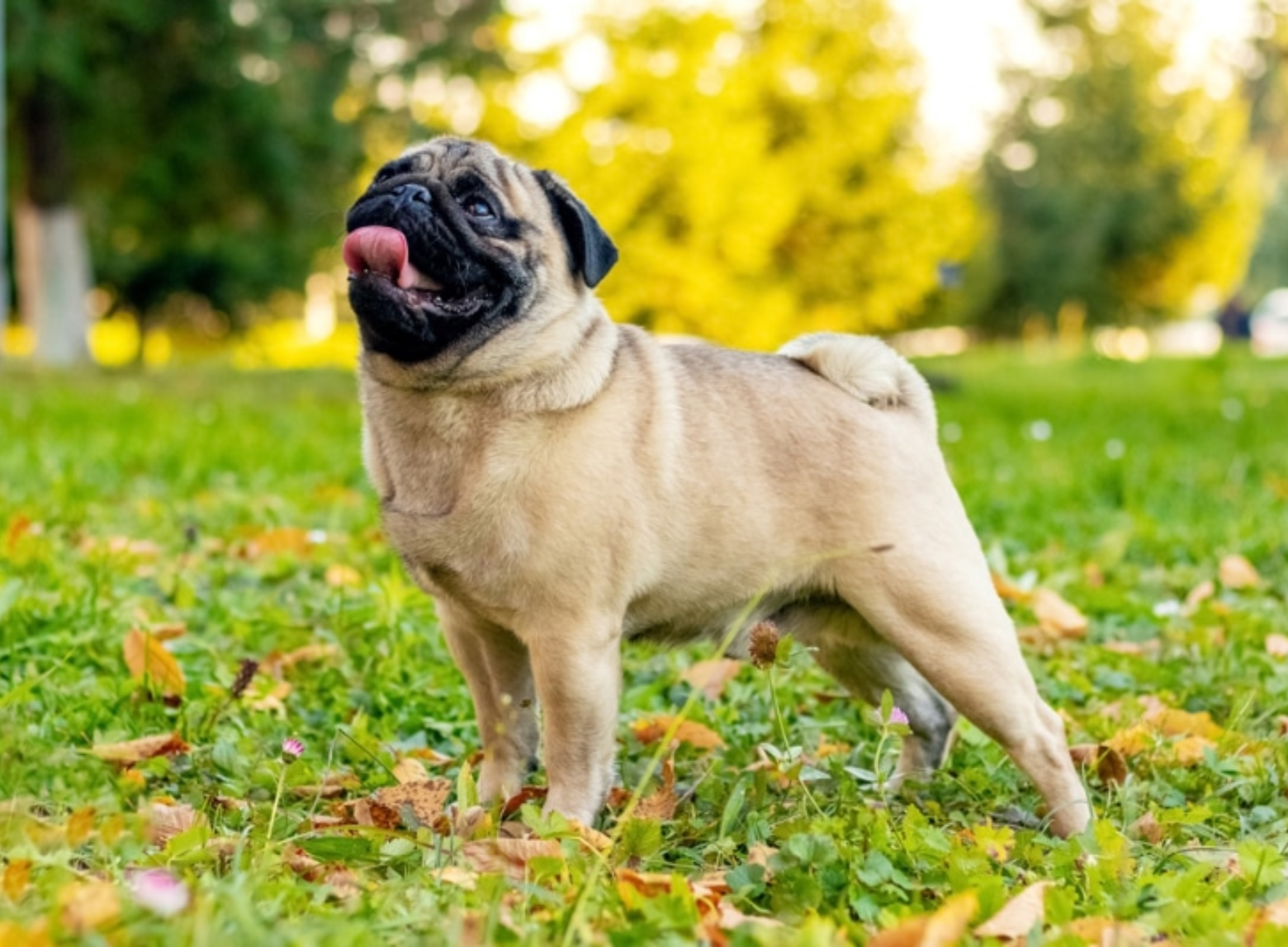
Pug Advice: Age-Based Pug Care
- Track health milestones: Record your pug aging process; record photos, weight, and health records of your pug Such historical data assists veterinarians to determine changes that need to be intervened.
- Adjust exercise as they age: A 2-year old pug requires rigorous daily walks; a 12-year old one requires soft and short walks with resting intervals.
Preventive care is cheaper to invest in at an early stage: Adult lives are preserved by dental cleaning, joint supplements and weight management to avoid the expensive issues they encounter in old age. - Awareness of cognitive deterioration: The ageing of pugs can lead to canine cognitive dysfunction (like dementia): Also note disorientation, change in sleep pattern, and house training lapses.
- Celebrate every birthday: Teenage pugs deserve to be appreciated–they have already attained great ages that are comparable with those of human octogenarians!
Pug Aging Frequently Asked Questions
Q-1: What is the age of the pug when it is elderly?
- Pugs normally reach senior age at the age of 7-8 which corresponds to the age of mid-40s in human terms. It is at this point that you need to start paying more attention to the frequency of visits to the veterinary and start paying attention to age-related diseases.
Q-2: Are pugs older than other dogs?
- No. It is common knowledge that small breeds such as pugs tend to get old slower than the big breeds in general and this is the reason that these animals live longer. They however grow fast within the first two years and then grow slowly.
Q-3: What can I do to ensure my pug has a longer life?
- Keep to a normal weight, offer adequate yet moderate physical activity, continue care with the veterinary, deal with breed-specific health problems (breathing, eyes, joints) and feed them on high-quality food that suits their life stage.
Q-4: When will I change my pug to senior dog food?
- Most pugs enjoy the senior formulas at the age of 7-8. These foods are modified calories, higher joint supportive nutrients and more digestible proteins. There are recommendations that should be made according to your veterinarian.
Q-5: Is my 10-year-old pug old?
- Your pug is about 56 human years, sound in his senior but not geriatric years. Under good care a number of pugs can be active and healthy well into their early teenage years.
The Road Map to Every Stage of Life
Knowledge of the age of your pug in human years is quite a good point of view on their needs, health prospects and demands of care. A 5-year-old pug in its prime will need one thing, whereas a 12-year-old pug that is going through its age changes will need another thing.
This pug aging chart can be used as a guide when planning the preventive care, modifying the routines and getting ready to the next stage of life. Be it the first birthday, the fifteenth birthday of your pug, the knowledge of their respective age in humans will enable you to give the best of care that suits their needs at the moment.
In general, to get a deeper health insight regarding pugs at all ages, visit our associated pug guides regarding nutrition, frequent health problems, physical activity needs, and end-of-life care. The years your pug spends on this planet and the life they enjoy are reliant on the age-related care given to them during their transition through their lives as a playful puppy and a respectable elderly gentleman.