Hamza Sajjad
Introduction: Why Proper Socialization is Crucial for Your Pug
Pugs are playful, loving, and have personality; however, unless socialized well, pugs may gain anxiety and aggression or be fearful. Socialization of your Pug is not all about playdate it is also an issue of developing a confident well behaved companion. It is a complete guide and this practice- tested advice, along with the kind of questions you will need to ask your Pug, will bring him through puppyhood, to adulthood and most importantly, keep him happy in whatever environment you are living in.
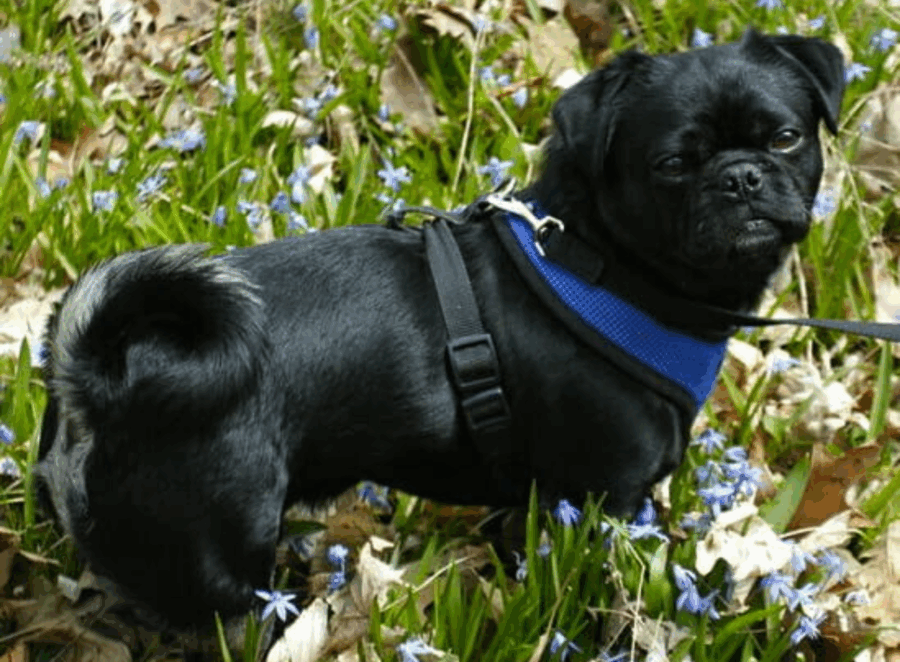
1. Understanding Pug Socialization: What It Is & Why It Matters
Socialization involves showing your Pug different people, animals, places and things in a cheerful and optimistic manner. Proper socialization:
- Avoids fear and aggression
Builds confidence
Positive reinforcement to good behavior
Makes you closer to your Pug
Being sociable but sometimes stubborn pugs should be socialized from an early age and regularly as they tend to become far too shy or even too possessive.
2. When to Start Socializing Your Pug: Critical Puppy Periods
To socialize a Pug, this should be done at the age of 3 to 14 weeks old; this is the ideal learning period. Nevertheless, their socialization must be unending in their life.
Key Socialization Milestones:
- 3-7 Weeks: Literally interacting with siblings and light person interactions.
8-12 Weeks: Acquaintance with unfamiliar people, animals and more controlled surroundings.
3-6 Months: Being exposed to different sounds, textures, and outdoors environments.
Adulthood: strengthening of positive experiences and removal of fears.
3. Step-by-Step Pug Socialization Plan
A. Socializing with People
- Expose your Pug to men, women, children and Cheif.
Remove active behaviors with punishment and rewards.
Expose them to hats, sunglasses, uniforms gradually so that they are not afraid.
B. Playing with other dogs and pets
Begin with posible vacinated dogs.
Make use of leashed introductions prior to playing off-leash.
Be around when handling cats or other small animals.
C. Exposure to the Environment
Walk on various surfaces (grass. tile. gravel).
Go to p-r-k-s, pet stores and drive.
Onset household background noise (vacuum, doorbell, television).
D. Training in Handling / Grooming
Feel their paws, ears, and mouth on a regular basis.
Brush off their coat and make them smooth their wrinkles.
Encourage positive rewards when it comes to vet visits.
4. Common Socialization Mistakes to Avoid
- Moving too fast, or pacing too fast (filling your Pug up).
Forcing associations (making negative associations).
Skipping rewarding good behavior; this is by skipping reinforcement.
The lack of consideration of fear signals (growling, hiding, trembling).
5. Troubleshooting: Fixing Socialization Issues
In Case, Your Pug Is Afraid:
Avoid treating with low-value foodstuff or using it as punishment.
Limit the exposures to short and controlled exposure times.
Turn to professional trainer in case it is essential.
In case Your Pug Is Aggressive:
Don t punish †haven t redirect with toys or orders.
Use desensitization techniques.
Consult with behavioral therapy in case of severe cases.
6. Advanced Socialization: Taking Your Pug to the Next Level
- _Training classes for adults structured training of obedience.
Dog-friendly events (meetups /.
Travel training (hotels, buses, trains etc.)
Conclusion: A Well-Socialized Pug is a Happy Pug
_Training classes for adults structured training of obedience.
Dog-friendly events (meetups /.
Travel training (hotels, buses, trains etc.)