Hamza Sajjad
Introduction: Understanding Pug Separation Anxiety
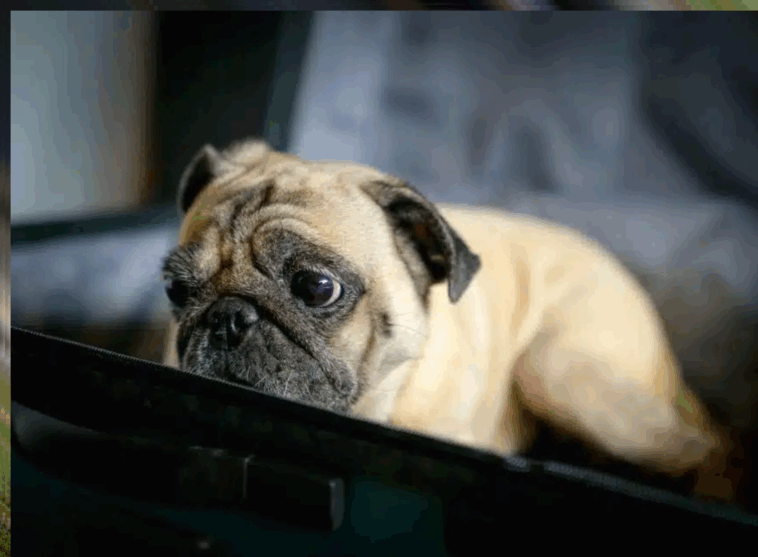
Pugs are affectionate, loyal, and highly social dogs that thrive on human companionship. However, their strong attachment to their owners can lead to separation anxiety, a distressing condition where a pug exhibits extreme stress when left alone. Symptoms include excessive barking, destructive chewing, house soiling, and even self-harm.
If your pug suffers from separation anxiety, this comprehensive guide provides proven solutions to help them feel secure, reduce stress, and improve their overall well-being.
Why Do Pugs Develop Separation Anxiety?
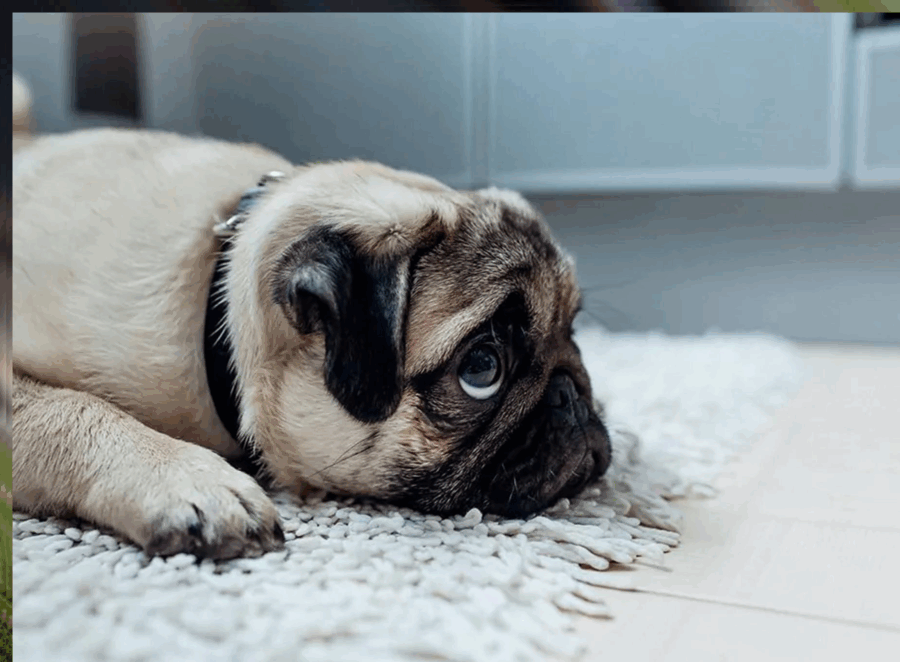
Pugs are bred for companionship, making them prone to anxiety when isolated. Key triggers include:
-
Genetic predisposition – Pugs are clingy by nature.
-
Sudden routine changes – Moving homes, new work schedules.
-
Past trauma – Abandonment or rehoming experiences.
-
Lack of training – Not being conditioned to alone time.
Understanding the root cause is the first step in fixing pug separation anxiety.
Signs Your Pug Has Separation Anxiety
Recognizing symptoms early helps in effective intervention:
Excessive barking/howling – Non-stop vocalization when alone.
Destructive behavior – Chewing furniture, scratching doors.
Pacing or restlessness – Anxious movements before/after departure.
House soiling – Accidents despite being potty-trained.
Escape attempts – Digging, jumping, or breaking out of crates.
If your pug shows these signs, immediate action is necessary.
Proven Pug Separation Anxiety Solutions
Gradual Desensitization Training
Step-by-Step Method:
-
Start with short absences (5–10 minutes).
-
Gradually increase time apart (15 mins → 30 mins → 1 hour).
-
Reward calm behavior with treats and praise.
-
Avoid emotional goodbyes – Keep departures low-key.
This conditions your pug to feel safe alone.
Create a Safe & Comfortable Space
-
Use a crate or playpen with cozy bedding.
-
Leave familiar-smelling items (your clothes).
-
Provide interactive toys (Kong, puzzle feeders).
A secure environment reduces panic.
Use Calming Aids & Supplements
-
Adaptil diffuser (pheromone-based calming spray).
-
CBD oil for dogs (reduces anxiety naturally).
-
Thundershirt (gentle pressure relieves stress).
These tools ease anxiety without medication.
Establish a Predictable Routine
Pugs thrive on structure. Maintain:
-
Fixed feeding & walk times.
-
Regular play sessions.
-
Consistent sleep schedules.
Predictability minimizes stress triggers.
Exercise & Mental Stimulation
A tired pug is a calm pug:
-
30–45 min daily walks.
-
Interactive games (hide-and-seek, fetch).
-
Training sessions (reinforces confidence).
Physical exhaustion reduces anxious energy.
Avoid Reinforcing Anxious Behavior
-
Ignore attention-seeking (whining, pawing).
-
Reward independence (when they play alone).
-
Stay calm during departures/arrivals.
Breaking the anxiety-reward cycle is crucial.
Professional Help (If Needed)
If symptoms persist:
-
Consult a vet (rule out medical issues).
-
Hire a dog behaviorist (for severe cases).
-
Consider anti-anxiety meds (as a last resort).
Preventing Separation Anxiety in Pugs
Start young – Train puppies to be alone.
Socialize early – Exposure to different people/places.
Use positive reinforcement – Reward calm behavior.
Final Thoughts: Helping Your Pug Overcome Anxiety
Pug separation anxiety is treatable with patience, consistency, and the right strategies. By gradually increasing alone time, providing mental stimulation, and using calming aids, you can help your pug feel secure and happy even when you’re away.
Implement these solutions today and watch your pug’s anxiety melt away!