Hamza Sajjad
Introduction: The Growing Concern of Pug Obesity
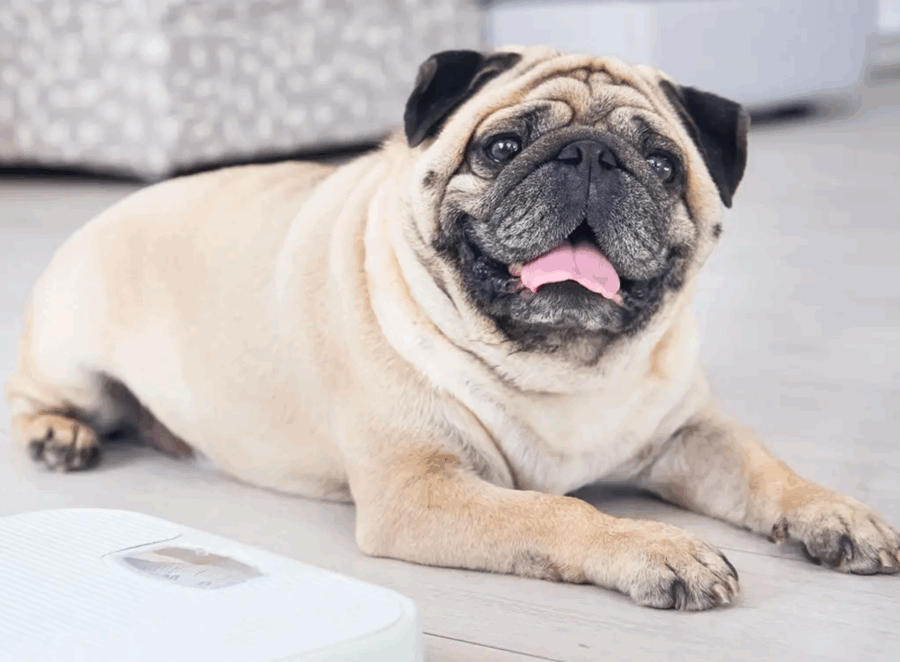
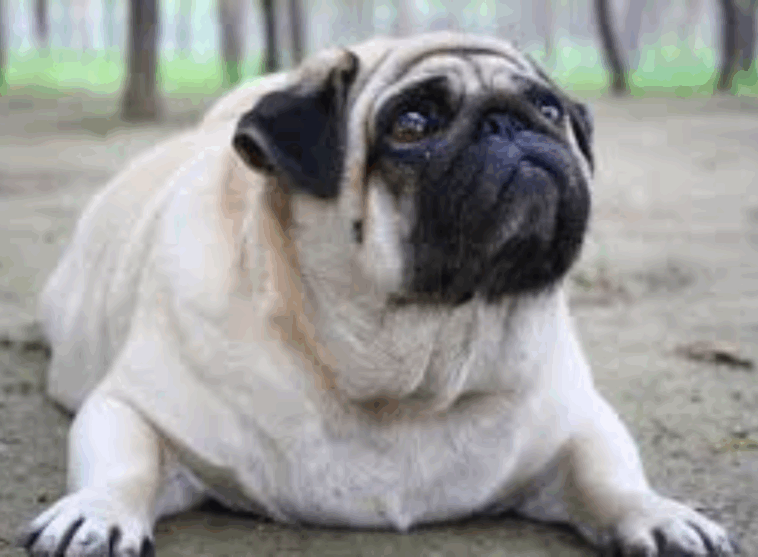
Pugs are adorable, affectionate, and full of personality, but their love for food and tendency toward laziness make them prone to obesity. Excess weight in pugs can lead to severe health issues, including joint problems, breathing difficulties, diabetes, and a shortened lifespan. As a responsible pug owner, understanding pug obesity prevention tips is crucial to ensuring your furry friend stays fit, active, and happy.
This comprehensive guide covers every aspect of pug weight management—from diet and exercise to medical check-ups and behavioral adjustments. By following these proven strategies, you can help your pug maintain a healthy weight and avoid obesity-related complications.
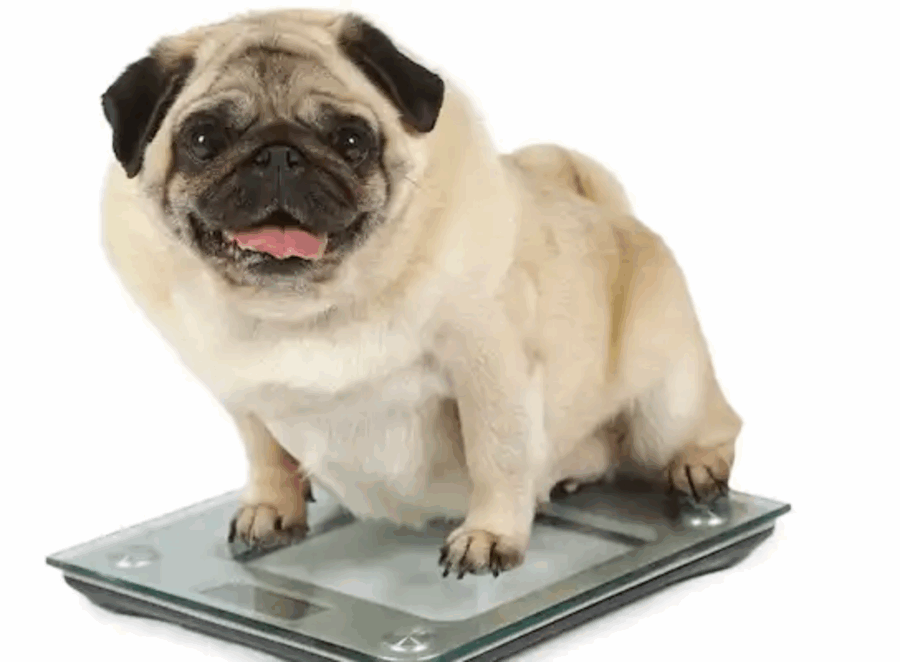
Why Are Pugs Prone to Obesity?
Before diving into prevention tips, it’s essential to understand why pugs are at higher risk for obesity:
-
Genetic Predisposition – Pugs have a slower metabolism compared to other breeds.
-
Overeating Tendencies – They love food and will eat beyond their needs if allowed.
-
Low Energy Levels – Pugs are not naturally high-energy dogs, making them prone to weight gain.
-
Brachycephalic (Short-Nosed) Structure – Breathing difficulties can limit their exercise capacity.
Optimal Diet for Pug Weight Management
Choosing the Right Food
-
High-Protein, Low-Fat Diet – Look for dog food with lean proteins (chicken, turkey, fish) and avoid fillers like corn and soy.
-
Portion Control – Follow feeding guidelines based on age, weight, and activity level.
-
Avoid Human Food – Many human foods (especially fatty or sugary snacks) contribute to weight gain.
Feeding Schedule
-
Two Meals a Day – Prevents overeating and regulates metabolism.
-
No Free Feeding – Leaving food out all day encourages excessive eating.
-
Healthy Treats – Use low-calorie treats like carrots or green beans instead of commercial dog biscuits.
Weight Loss Foods for Plump Pugs
If your pug is already Plump, consider:
-
Weight Management Dog Food – Brands like Hill’s Science Diet or Royal Canin offer specialized formulas.
-
Fiber-Rich Foods – Helps with digestion and keeps them full longer.
Exercise: Keeping Your Pug Active Without Overexertion
Pugs are not marathon runners, but they still need daily activity to stay fit.
Best Exercises for Pugs
-
Short, Frequent Walks – 15-20 minutes, 2-3 times a day (avoid extreme heat due to breathing issues).
-
Indoor Playtime – Gentle games like fetch or puzzle toys to stimulate movement.
-
Swimming (If Possible) – A low-impact exercise that’s easy on joints.
Signs of Overexertion
-
Excessive panting
-
Slowing down or refusing to move
-
Blue-tinged gums (seek vet help immediately)
Regular Health Check-Ups & Weight Monitoring
Vet Visits
-
Bi-Annual Check-Ups – Early detection of weight-related issues.
-
Body Condition Scoring (BCS) – Your vet can assess if your pug is at a healthy weight.
At-Home Weight Tracking
-
Weigh Monthly – Use a pet scale or weigh yourself holding your pug, then subtract your weight.
-
Rib Check – You should be able to feel (but not see) their ribs without pressing hard.
Behavioral & Environmental Adjustments
Preventing Begging
-
Ignore Begging Behavior – Rewarding it reinforces overeating.
-
Feed in a Separate Room – Reduces temptation during human mealtimes.
Mental Stimulation
-
Interactive Toys – Keeps them engaged and reduces boredom eating.
-
Training Sessions – Short, reward-based training keeps them active.
Common Mistakes That Lead to Pug Obesity
-
Overfeeding “Just a Little Extra” – Those extra bites add up.
-
Skipping Exercise Due to Weather – Find indoor alternatives.
-
Assuming “Chubby Pugs Are Cute” – Obesity is dangerous, not adorable.
Final Thoughts: A Healthy Pug is a Happy Pug
Preventing obesity in pugs requires consistent effort in diet, exercise, and regular health monitoring. By following these pug obesity prevention tips, you can ensure your pug lives a long, active, and joyful life.
Take action today—adjust their diet, increase their activity, and schedule a vet check-up to keep your pug in peak condition!