Hamza Sajjad
Introduction: Understanding Pug Lifespan and Common Health Issues
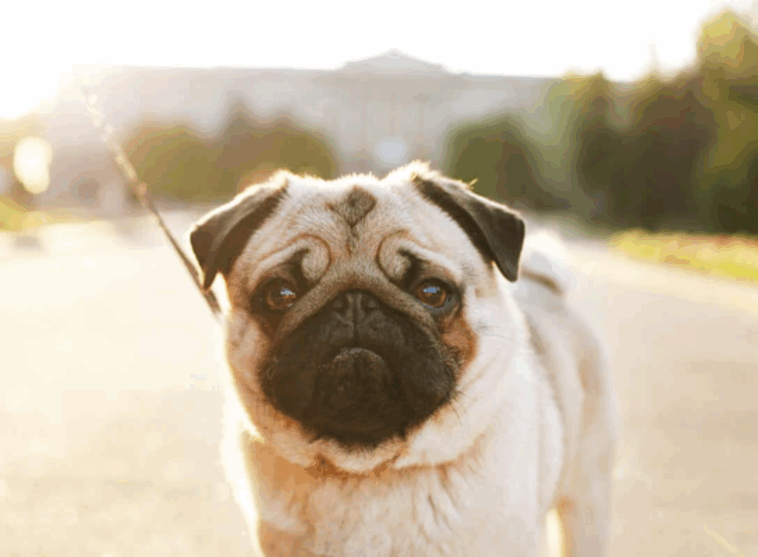
Pugs are one of the most beloved dog breeds, known for their charming personalities and distinctive wrinkled faces. However, their unique physical traits also make them prone to certain health challenges. The average Pug life expectancy is between 12 to 15 years, but this can vary based on genetics, diet, exercise, and overall care.
In this comprehensive guide, we’ll explore every aspect of Pug life expectancy and health, including:
Factors affecting lifespan
Common Pug health problems
Diet and nutrition tips
Exercise and weight management
Preventive care and vet checkups
How to extend your Pug’s life
By the end, you’ll have expert-backed knowledge to ensure your Pug lives a long, happy, and healthy life.
What Is the Average Pug Life Expectancy?
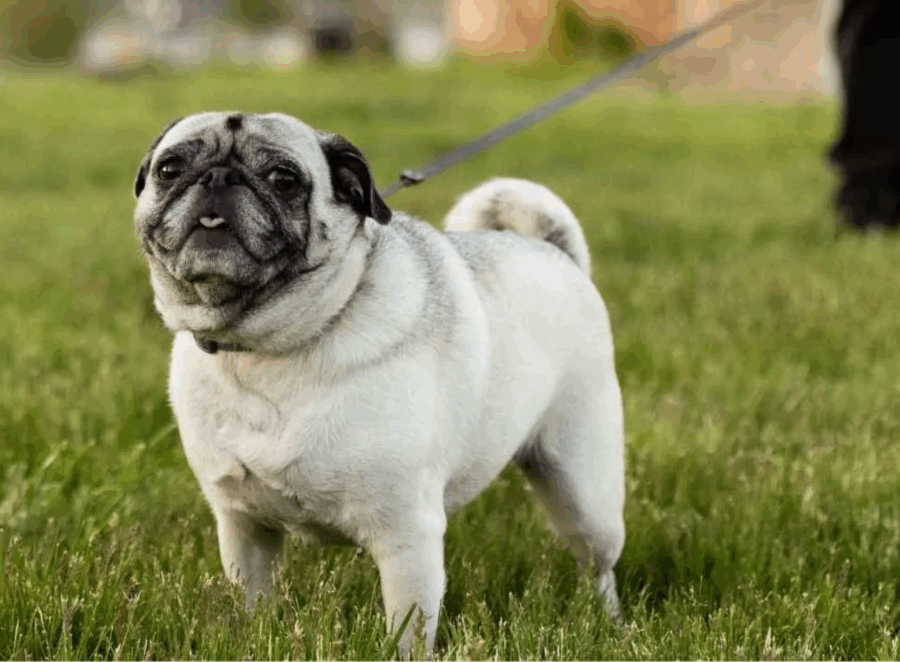
Pugs typically live 12 to 15 years, though some can reach 16+ years with exceptional care. Several factors influence their lifespan:
Genetics and Breeding
-
Reputable breeders reduce risks of hereditary diseases.
-
Poor breeding can lead to respiratory issues, hip dysplasia, and neurological disorders.
Diet and Nutrition
-
Obesity is a major threat—30% of Pugs are Plump, shortening lifespan.
-
High-quality, protein-rich, low-fat diets help maintain a healthy weight.
Exercise and Activity Levels
-
Pugs need moderate exercise (20-30 mins/day) but overexertion can cause breathing problems.
-
Avoid extreme heat (they overheat easily due to brachycephalic syndrome).
Veterinary Care
-
Regular checkups (every 6 months) catch issues early.
-
Vaccinations, dental care, and parasite control are crucial.
Most Common Pug Health Problems (And How to Prevent Them)
Brachycephalic Obstructive Airway Syndrome (BOAS)
-
Cause: Short snouts lead to breathing difficulties.
-
Symptoms: Snoring, wheezing, exercise intolerance.
-
Prevention: Avoid overheating, use a harness (not a collar), maintain a healthy weight.
Pug Dog Encephalitis (PDE)
-
A fatal neurological disease affecting young Pugs (2-3 years).
-
Symptoms: Seizures, blindness, circling behavior.
-
No cure, but early detection helps manage symptoms.
Hip Dysplasia
-
Genetic joint disorder causing pain and arthritis.
-
Prevention: Weight management, joint supplements (glucosamine).
Eye Problems (Dry Eye, Corneal Ulcers, Proptosis)
-
Pugs’ bulging eyes are prone to injuries and infections.
-
Prevention: Regular eye cleaning, vet-approved eye drops.
Skin Infections (Due to Wrinkles)
-
Moisture and bacteria get trapped in skin folds.
-
Solution: Clean wrinkles daily with a damp cloth + dog-safe wipes.
How to Extend Your Pug’s Lifespan: 5 Proven Tips
Feed a Balanced, High-Quality Diet
-
Best foods: Lean proteins (chicken, turkey), omega-3s (fish oil), fiber (pumpkin).
-
Avoid: Grains, artificial additives, excessive treats.
-
Maintain a Healthy Weight
-
Ideal weight: 14-18 lbs (varies by size).
-
Plump Pugs develop diabetes, heart disease, and joint problems.
Regular, Moderate Exercise
-
Short walks (avoid midday heat).
-
Indoor play (mental stimulation prevents boredom).
Prioritize Dental Health
-
80% of Pugs develop gum disease by age 3.
-
Brush teeth 3x/week, use dental chews.
Schedule Frequent Vet Visits
-
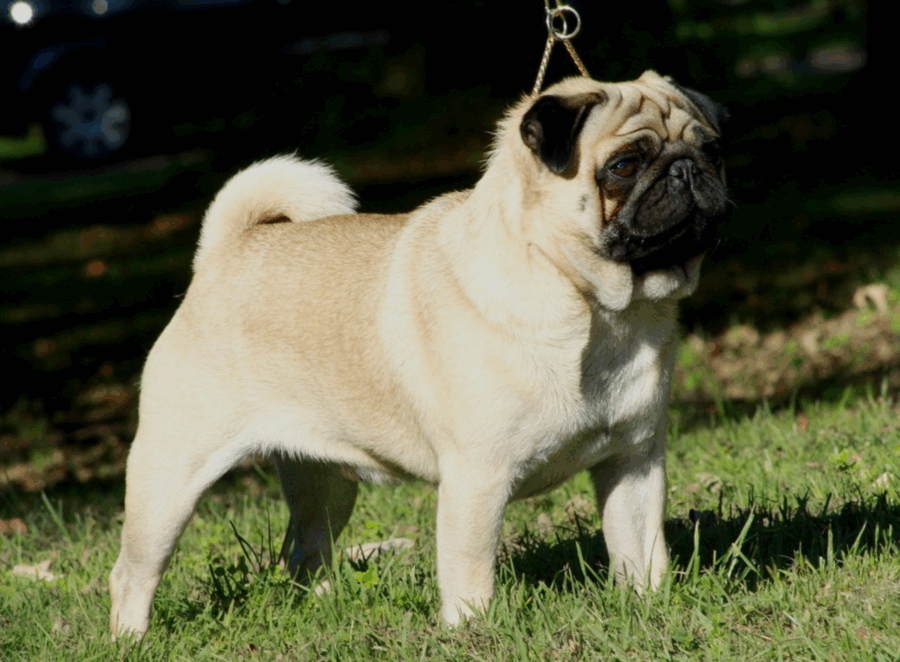
Bi-annual checkups for early disease detection.
-
Vaccinations, flea/tick prevention, bloodwork.