Hamza Sajjad
Introduction: Why Leash Training Your Pug is Essential
Making a Pug walk on a leash might be a problem because of its stubborn and playful attitude. Nevertheless, proper training methods, patient,e and routine payment will turn your Pug into a well-mannered walking companion. This how-to guide takes you through all that you need to know, starting with simply picking the right leash to some advanced training tricks to make walking your Pug a stress-free experience and at the same time the best strategy to making your Pug more obedient and confident.
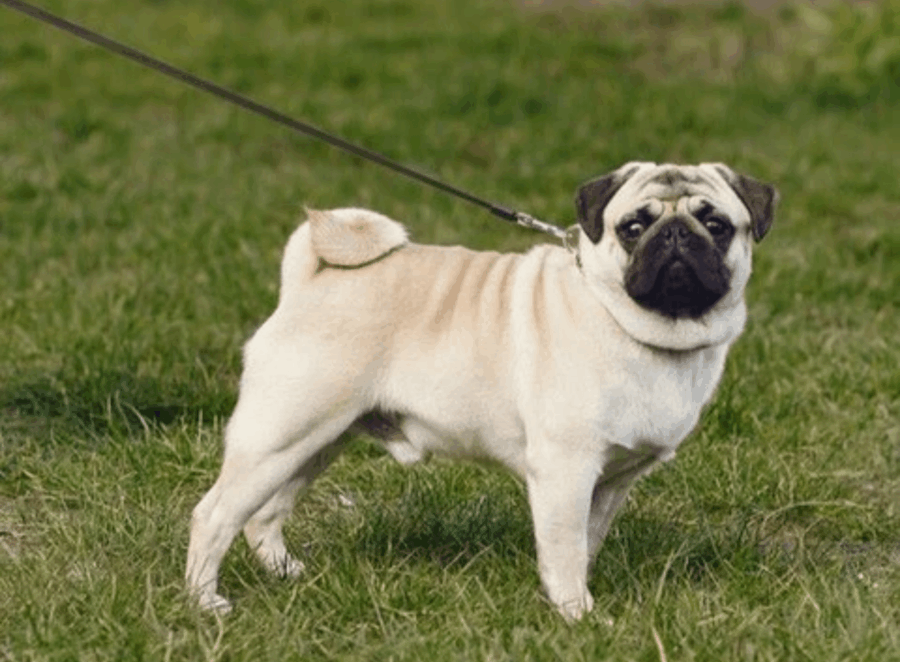
1. Understanding Your Pug’s Behavior for Effective Leash Training
When walking, the priority of pugs is breathing as they are brachycephalic (short-nosed). Also, they tend to be strong willed, which implies that unless training is initiated rightly, they might be reluctant to train.
Effective Pug Traits about training on leash:
Stubbornness – Needs positive reinforcement.
Short attention span – Requires bite-sized, catchily facilitated sessions.
Sensitivity to hot weather – Do not walk under the sun during the summer.
Playfulness projected: is easily distracted by smells and sounds.
2. Choosing the Right Leash & Harness for Your Pug
The correct harness and leash configuration will relieve the strain on your neck and allow you to control the animal.
The top Leash and Harness:
Harness (Not Collar) – Avoids the damage which can occur in trachea (one of the Pug diseases).
Multiple, Adjustable, Padded Harness – Helps to feel good and safe.
4-6 ft Standard Leash. This gives a balance of control and freedom.
Retractable Leashes iceratyl is getting pulled at and will lessen the training.
3. Step-by-Step Pug Leash Training Techniques
A. Before Leash Training: Creating a Lot of Good Memories
To make your Pug get used to the harness, accustomize it before putting a leash:
It helps them to sniff and examine their harness.
When they develop curiosity, give them a treat.
Slowly restrain the harness inside for short durations.
B. First Steps Indoor Leash Training
Then put the leash on them and allow them to drag the leash (under your supervision).
Give them treats in order to follow you.
Train the Holly subcommand in an isolated area.
C. Leash Training in the outdoors (Advanced Control)
Begin somewhere in a quiet place (backyard or park where there are no people).
Good behavior should be encouraged using high-value treats (cheese, chicken).
Whenever they pull, you stop and do not start again until the leash is loose.
Train “heel”/or “let us go” commands to walk in a precise way.
4. Troubleshooting Common Pug Leash Training Problems
Problem 1- Leash Pulling
Solution:
Halt! Stop!
Take another step only when the amount of the leash is loose.
When your dog walks loose leash, reward him or her with treats.
Problem 2: Not Wasting Time to Walk
Solution:
Beck them up with treats.
Inspect the presence of discomfort (fit of a harness, injuries to paws).
Put play breaks into walks.
Problem 3: excessive taking note of the Distraction in barking
Solution:
Distract using food.
Practice “focus” or “watch me” commands.
Put them in controlled environments and introduce them gradually to distractions.
5. Fine Pug Leash Training Secrets of Perfect Walking
After your Pug was trained on these basic tricks, you can then progress to the following upgrade tricks:
A. Automatic Sit Loose-Leash Walking
Teach your Pug to automatically sit as you stop.
They should only be rewarded when they obey.
B. Distraction-Proofing Leave It Command
Train leave it to disregard squirrels, garbage, or other dogs.
Make compliance rewards with high values.
C. Good Morning, Good Afternoon, etc (Not Jumping on strangers)
Be rewarded when facing new people calmly.
Get to practice with friends before going to real-life situations.
6. Final Tips for Long-Term Leash Training Success
Short sessions (5-10 minutes) – Pugs just get bored.
Always be consistent- Touch on the same commands and rewards.
Leave them on a high note – Always leave them on a high note.
Workout before training – Pug is concentrating when he is fatigued.
Conclusion: Transform Your Pug into a Leash-Walking Pro!
Pug leash training takes time, patience, and reward. Using this step-by-step guide, you will not only make sure that your walks are safe and pleasant, but you will also manage to bond with your dog.
Are you ready to learn how to train a Pug dog on a leash? Use this bookmark and begin now