Hamza Sajjad
Introduction: Why Proper Hydration is Critical for Pugs
Pugs are lovable, jovial, and hyperactive, and their unusual physiology leads to the fact that such pets are exposed to the risk of dehydration. The pugs have difficulty with effective panting due to their small snouts (brachycephalic structure) that may cause overheating and dehydration. Maintaining proper hydration levels is crucial to the health, digestion and well being of your pug.
In this exhaustive guide, we will discuss:
The reason why pugs dehydrate quickly compared to other breeds
Hydration tips for pugs
Indications of dehydration to note: Signs of dehydration to look out for: One should watch out by looking at the following possible signs of dehydration:
Innovative ideas to ensure that your pug does not stop taking water
Hydrogenating foods & supplements
You are an expert on keeping your pug hydrated, healthy, and happy by the end.
Why Pugs Are at Higher Risk of Dehydration
What is special about Pugs regarding hydration?
Brachycephalic Airway Syndrome – They have shorter noses that improperly pant, hence leading to overheating and water loss.
Low Endurance, High Energy – Pugs have a high energy level but low endurance levels, and this means that they need more water.
Thick Coats – The two-layered fur keeps them hot, and this increases dehydration.
Kidney and Digestive Sensitivity Kidney and digestive sensitivities are aggravated by dehydration.
Fact: A pug who is dehydrated runs the risk of coping with heatstroke, kidney failure, and exhaustion. The priority is to hydrate.
Top 10 Pug Hydration Tips (Backed by Science & Vet Advice)
1. Fresh, Clean Water Should Always be Provided
Replace water at least twice a day to avoid the accumulation of bacteria.
Put stainless steel or ceramic bowls to use (plastic may carry germs).
There should be several water stations in the house.
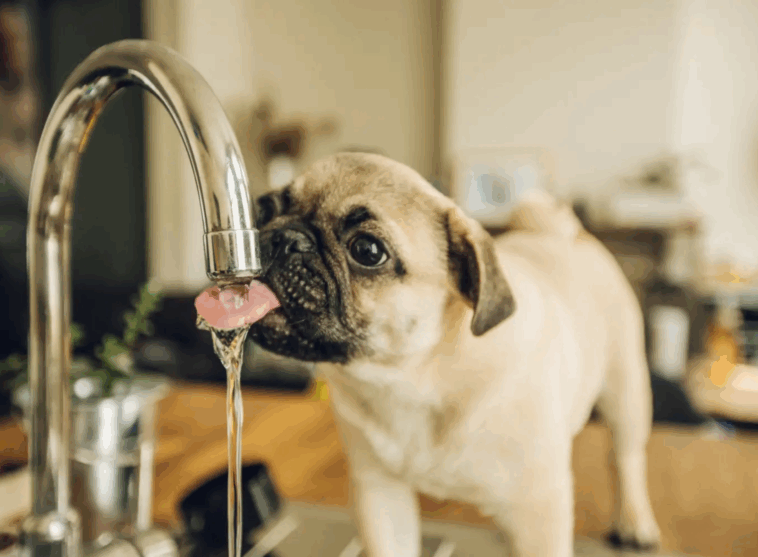
2. When using a pet water fountain
Pugs have a higher tendency to drink water that is in motion (intuitively safer).
There are also fountains with filters that maintain water fresh and aerated.
3. Watch Daily Water intake
An ideal pug requires 1 oz of water daily per pound of body weight.
The 15-pound pug should get something like 15 oz (2 cups) of water a day.
4. Drink in Water by Wet Food
Add dogs’ canned food or bone broth to meals as additional moisture.
Do not use salty broths-use low-sodium, dog-friendly ones.
5. Active Pugs-Electrolyte Supplement
During playtime, provide dog-friendly electrolyte fluids ( such as Pedialyte diluted in water).
Avoid human-based sports drinks (excessive sugar/salt).
6. Ice Cubes and Frozen Summer Treats
Freeze low-sodium chicken broth into ice cubes.
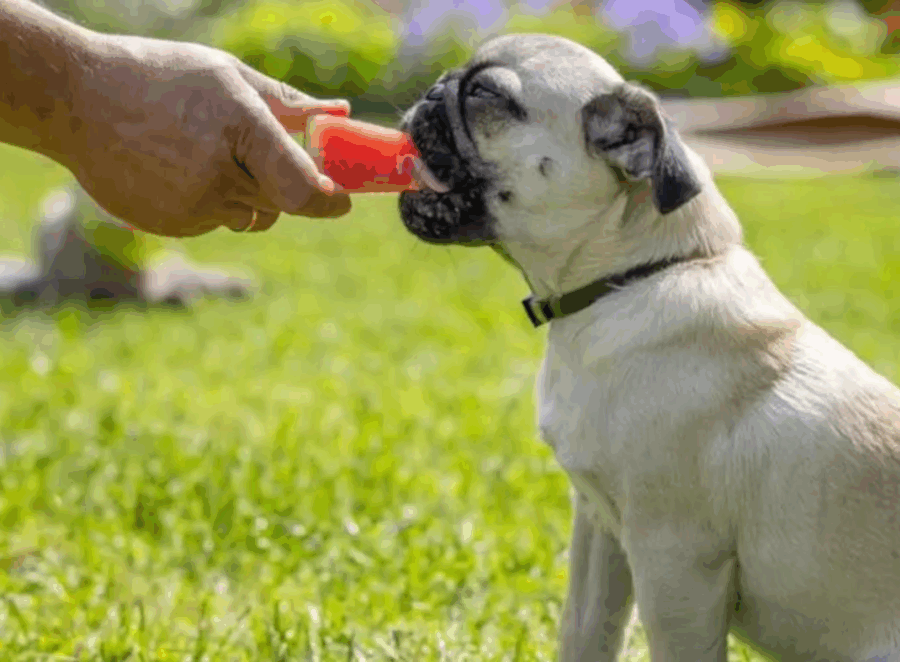
Serve watermelon (non-seeded) as a refreshing food.
7. Identify Signs of Dehydration
Dry gums, nose
Reduced elasticity of the skin (pinch test: skin should spring back fast)
Sloth or extreme panting
Sunken eyes
8. Prevent Overtemperature and Exercise
Walk pugs in the morning or the late evening, avoiding heat.
Wear cooling vests during hot weather.
9. Hydration Advice for Travels
Please bring a water bowl on walks as it can be folded up.
It is never a good idea to leave a pug in a car (not even with windows cracked).
10. Vet Check-ups Regular
The early risks of causing dehydration can be identified in kidney functions tests.
Hydration-Boosting Foods for Pugs
Mop up these humid foods into pug’s diet:
Cucumber wedges (fat free & high in water content)
Just plain pumpkin puree (fiber + hyration)
Blueberry (antioxidants + water)
Yogurt plain (probiotics + moisture)
Grapes, onions, chocolate and salty foods should be avoided:
Final Thoughts: Hydration = A Longer, Healthier Life for Your Pug
These are only some of the effective hydration techniques that will help your pug avoid heatstroke, kidney diseases, and fatigue. Memorize this guide, post it on your fridge and have plenty of fresh water.
Keep Your Pug Healthy Now-Hydration is The Way To Go!