Hamza Sajjad
Introduction: Why Pug Eye Care is Critical
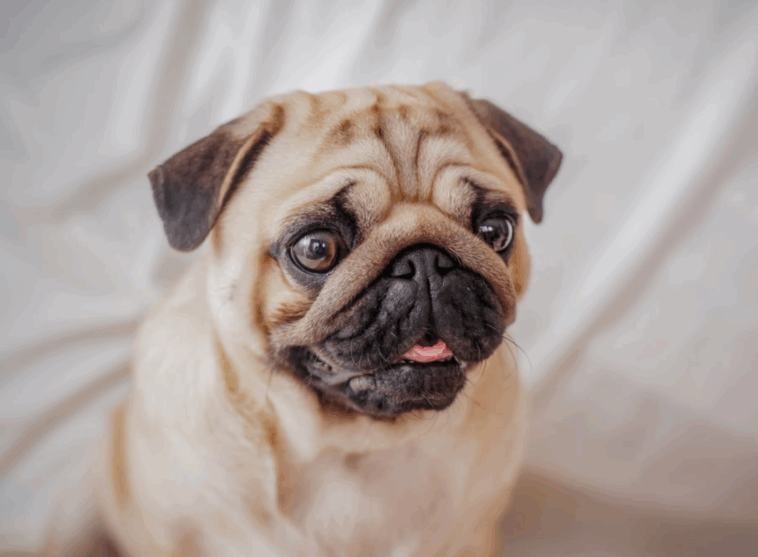
Pugs are beloved for their expressive, bulging eyes, but this unique feature makes them prone to eye problems. Without proper care, Pugs can suffer from infections, ulcers, and even vision loss. This comprehensive Pug eye care guide provides expert-backed solutions to maintain optimal eye health for your furry friend.
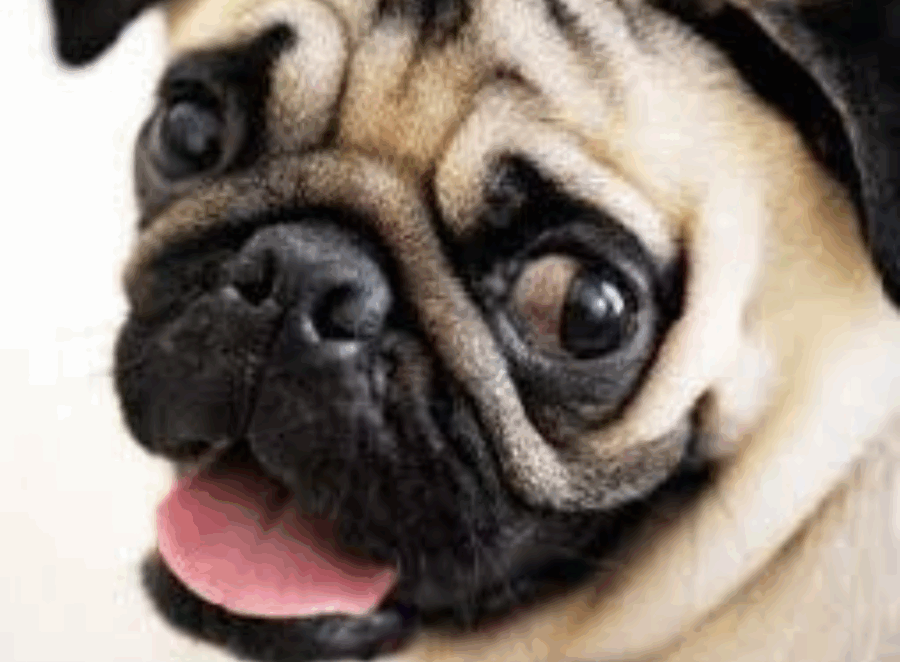
Common Pug Eye Problems & How to Identify Them
Pugs are predisposed to several eye conditions due to their brachycephalic (flat-faced) structure. Key issues include:
Dry Eye (Keratoconjunctivitis Sicca)
-
Symptoms: Redness, thick discharge, frequent blinking.
-
Causes: Insufficient tear production.
-
Solution: Vet-prescribed artificial tears & anti-inflammatory meds.
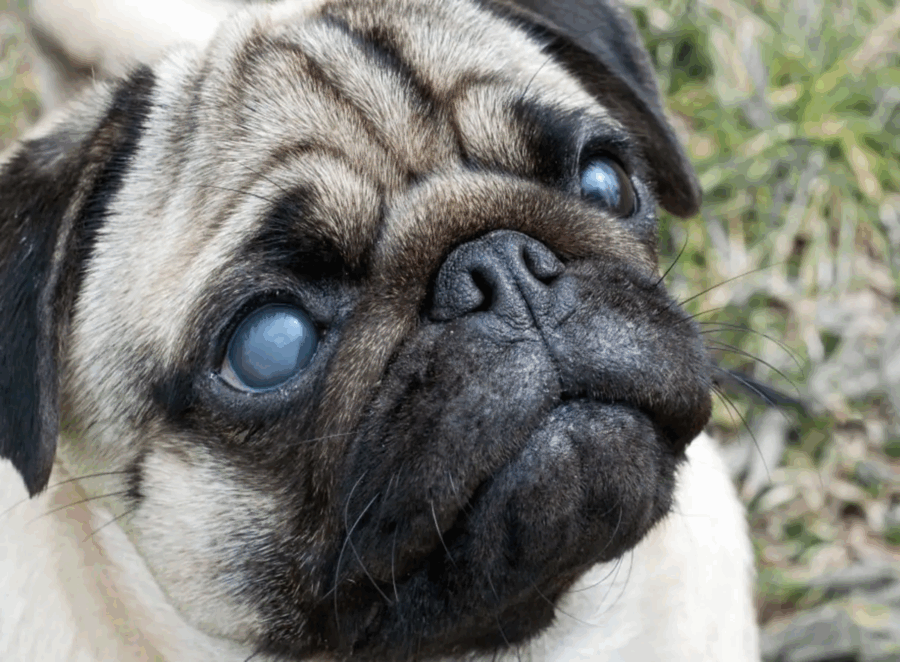
Corneal Ulcers
-
Symptoms: Cloudiness, excessive tearing, pawing at the eye.
-
Causes: Scratches, debris, or infections.
-
Solution: Immediate vet care to prevent blindness.
Proptosis (Eye Displacement)
-
Symptoms: Eyeball popping out of the socket.
-
Causes: Trauma or genetic weakness.
-
Solution: Emergency veterinary intervention.
Entropion & Ectropion
-
Symptoms: Eyelids rolling inward (entropion) or outward (ectropion).
-
Causes: Genetic deformity.
-
Solution: Surgical correction may be needed.
Pigmentary Keratitis
-
Symptoms: Brown spots on the cornea.
-
Causes: Chronic irritation.
-
Solution: Lifelong management with eye drops.
Daily Pug Eye Care Routine
Gentle Cleaning
-
Use: Vet-approved saline solution or dog eye wipes.
-
Frequency: Daily or as needed.
-
Method: Wipe from the inner corner outward.
Moisturizing Drops
-
For: Pugs with dry eyes.
-
Best Products: Optixcare, Genteal Gel.
Regular Vet Checkups
-
Why: Early detection of issues.
-
Frequency: Every 6 months.
Protective Measures
-
Use Dog Goggles: For outdoor activities.
-
Trim Facial Hair: Prevents irritation.
Emergency Eye Care for Pugs
When to Rush to the Vet?
-
Sudden swelling
-
Blood in the eye
-
Visible injury
-
Excessive squinting
First Aid Tips
-
Do NOT use human eye drops.
-
Flush with saline if debris is present.
-
Prevent scratching with an Elizabethan collar.
Diet & Supplements for Healthy Pug Eyes
Best Nutrients for Eye Health
-
Omega-3 Fatty Acids (Fish oil)
-
Vitamin A (Carrots, sweet potatoes)
-
Lutein & Zeaxanthin (Leafy greens)
Recommended Dog Foods
-
Royal Canin Pug Formula
-
Hill’s Science Diet
Preventing Eye Problems in Pugs
-
Avoid harsh environments (dusty/smoky areas).
-
Keep nails trimmed to prevent accidental scratches.
-
Use a harness instead of a collar to reduce eye pressure.
Conclusion: A Healthy Pug Starts with Eye Care
Pug eyes require daily attention to prevent serious complications. By following this Pug eye care guide, you can ensure your Pug enjoys a lifetime of clear vision and comfort.
Pro Tip: Bookmark this guide and share it with fellow Pug owners to spread awareness!