Dr. Huzaifa Shayan (Veterinarian/ Deep Researcher)
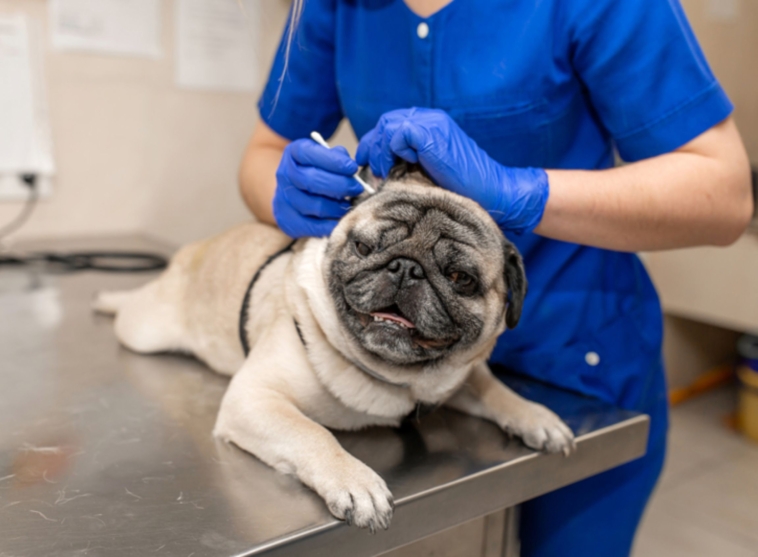
Ear Pug Infection: Symptoms, Treatment, and Causes.
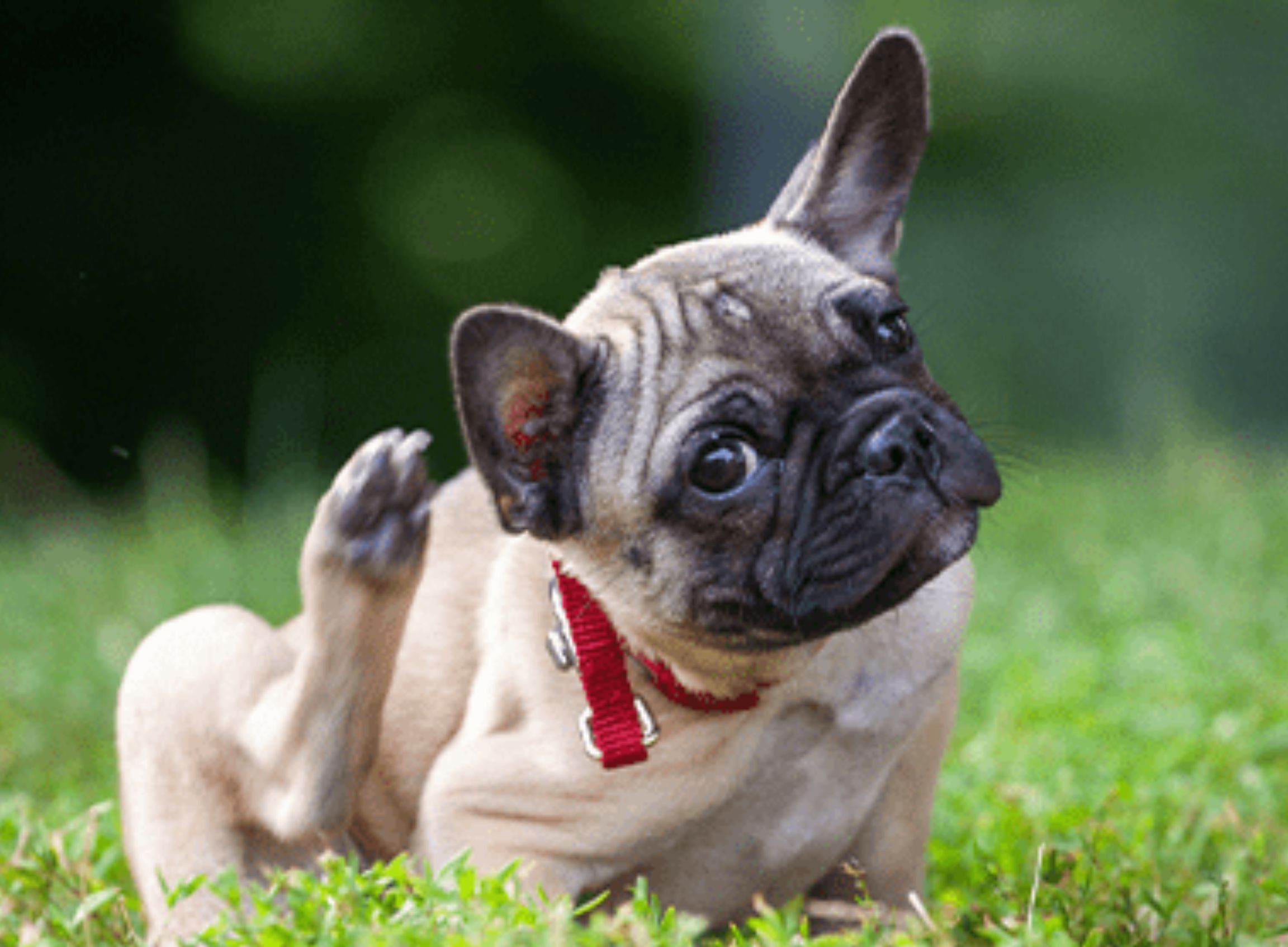
Your pug is shaking its head so much, it is scratching its ears until it is bleeding, and you can smell something coming out of the ear canal. Feeling their ears, they tug back in pain. These red flags are the indication of ear infection the most frequent health issue afflicting pugs.
The ear infection pug can develop into a major complication easily unless it is dealt with in time. Though the cute button ears of pugs might not be as troublesome as the floppy ears of such breeds as spaniels, their distinctive anatomy and health conditions, in fact, make them highly susceptible to chronic ear problems. The knowledge of the causes of these infections, their early detection, and the time when you should address the treatment can help to save your pug the suffering and avoid time-consuming troubles.
The Exposure of Pugs to Ear Infections
Anatomical Factors
This has been a structural challenge with pugs, despite their small and folded ears:
Limited Air Circulation:
- Ear covers fold in front of ears, and cover ear holes.
- Ancient airflow decreases to produce warm and humid conditions.
- Ideal environment of bacteria and yeast.
- Stagnant water bath or swimming.
Narrow Ear Canals:
- Diameter of the canal less than most breeds.
- Less difficult clogging by debris or oedema.
- Hard to wash properly in the house.
- Difficulties in draining in case of infections.
Breed-Specific Predispositions
- Pugs are usually allergic to the environment.
- Inflammation is as a result of food sensitivities.
- Allergic reactions tend to manifest themselves in the form of ear problems.
- Produces constant cycle of infection.
Suppressed Immune Function:
- The autoimmune problems are more in brachycephalic breeds.
- Difficulty in breathing leads to stress in immunity.
- Skins are transmitted to ear canals.
- Slower healing responses
Pug is prone to ear infection as a result of common causes.
Bacterial Infections
The crime of the most frequent culprits is:
Staphylococcus:
- Normal skin bacteria which grow out of control.
- Jeopardy ear canals with holes.
- Gives off typical evil smell.
Pseudomonas:
- Still more virulent bacteria.
- Most of them are usually resistant to the common antibiotics.
- Causes greenish discharge
Yeast Overgrowth
Malassezia Dermatitis:
- Fungal organism which is naturally available on skin.
- Breeds in the humid environments.
- Produces bread-like odor that is musty.
- Brings about a lot of itchiness and swelling.
Parasites
Ear Mites:
- Parasites in the ear canals which are microscopic.
- More common in puppies
- Very much contagious amongst animals.
- Give rise to dark and coffee ground-like debris.
Underlying Triggers
- Allergens (pollen, dust, mold) to the environment.
- Food allergies/food sensitivities.
- Grooming product contact allergies.
Foreign Objects:
- Seeds or vegetation of grass.
- After swimming, water was held back.
- Excessive ear wax buildup
Hormonal Imbalances:
- Skin health Hypothyroidism.
- The complications of Cushing disease.
Identifying Symptoms of Ear Infection
Behavioral Warning Signs
Observes these telltale behaviors:
Head-Related Actions:
- Vigorous head shaking
- Bending head constantly over to one side.
- Headbanging on pieces of furniture or carpet.
- Frantic pawing or scratching of ears.
Mood and Behavior Changes:
- When touched on ears, the individual becomes irritable or aggressive.
- Averse to be head petted.
- Lethargy or depression
- Discomfort Loss of appetite.
Physical Symptoms
Visual Indicators:
- Color of inside ear flap or canal is red.
- Swelling or inflammation
- Discharge (yellow, brown, green, or bloody)
- Hardened secretions in ear orifice.
- Scratching ears, resulting in loss of hair.
Odor:
- fermented (fungal infection) smell.
- Bacterial infection Foul, putrid smell.
- Sweet or sickly scent
Advanced Symptoms:
- The issue of balance or being lost.
- Walking in circles
- Hearing loss
- Eyedrop or facial nerve weakness.
Professional Diagnosis and assessment.
Veterinary Examination
Diagnosis should be properly performed with the professional assessment:
Physical Assessment:
- Examination of ear canal using the ocular.
- Assessment of pain response
- Examining the integrity of tympanic membrane (eardrum).
Diagnostic Tests:
- To identify organisms Ear cytology.
- Resistant infection bacterial culture.
- Sensitivity analysis to inform the use of antibiotics.
- Blood work suspected systemic disease.
Complete Treatment of Ear Infection.
Topical Medications
Antibiotic Ear Drops:
- Advertise against specific bacterial strains.
- Applied 2-3 times daily
- Duration of treatment: 7-14 days as a rule.
Antifungal Solutions:
- Treat yeast infections
- In most cases used in combination with antibiotics.
- May will take 3-4 weeks to resolve.
Anti-Inflammatory Medications:
- Reduce swelling and pain
- Improve drug penetration
- Their contents often include corticosteroids.
Oral Medications
In the case of severe or chronic ear infections:
Systemic Antibiotics:
- Required in case there is spread outside ear canal.
- Treatment course: 2-4 weeks
- Needs to fill in entire prescription.
Antifungal Pills:
- To treat infections resistant to yeast infections.
- Longer treatment protocols
- Monitoring of liver might be required.
Ear Cleaning Protocol
Professional Cleaning:
- Sedated deep cleaning where necessary.
- Removes impacted debris
- Permits increased penetration of drugs.
At-Home Maintenance:
- Also use ear cleaners that are veterinary approved.
- Clean either once or twice a week.
- Light and non-deep insertion technique.
- Eardry cleaning- dry thoroughly.
Remedying Background Causes.
Allergy Management:
- Food allergy food elimination trials.
- Antihistamines / immunotherapy.
- Measures of environmental control.
- Frequent the use of hypoallergenic shampoos.
Common Mistakes Owners Make
Using Human Ear Products:
- Hydrogen peroxide, alcohol or ear drops of a human being should not be used. These scratch sensitive canine ear tissues, exacerbate inflammation, and may ruin eardrums.
Premature Dismissal of Treatment:
- The symptoms are improved before the infection is completely overcome. Symptomatic opting to stop medication earlier than necessary also gives room to the growth of resistant bacteria, thus resulting in more difficult to treat recurrences.
Over-Cleaning Ears:
- Over cleaning removes protective oils, destroys normal flora and causes inflammation. Do not bathe too often–not more than two or three times a week; otherwise you may do harm.
Forgetting about the Chronic Patterns:
- Repeated ear infections are an indication of some underlying issues. In case your pug catches an infection more than once a year, research into the causes as opposed to treating the symptoms.
]Self-treatment, Diagnosis Free:
- Home remedies such as Apple cider vinegar and coconut oil can aggravate some form of infections. A good diagnosis should be obtained before treatment.
Ear infection Prevention Pro Tips
- Wipe out all the water in the ears after bathing or swimming: Place cotton balls to dry ear canals. Take into consideration ear-drying solution (veterinary).
- Maintain regular ear checks: Check ears every week and look at them in terms of early redness, odor or discharge. The timely diagnosis of the minor problems before it turns into a serious infection.
- Treat allergies in advance: Discuss allergies with your veterinarian and find a way to control them before they cause ear issues. This aids in the prevention of infection cycle.
- Trim ear hair carefully: A lot of hair in the ear canals will trap moisture and debris. Excess hair to be taken off groomers or vets, with proper techniques.
- Keep facial wrinkles clean: The bacteria on the dirty folds on the face might be transferred to the close ears. Wrinkles are washed out on a daily basis and this decreases the total bacterial load.
- Feed high-quality diet: Eating well helps in immune system and skin condition. Take into account diets that are developed on delicate skin in case of allergies.
Pug Ear Infection Frequently Asked Questions.
Q-1: What is the time of healing of ear infection pug?
Majority of simple ear infections both heal within a period of 7-14 days with the right treatment. Nevertheless, it can take 4-6 weeks in case of chronic or severe infections. Bacterial infections normally heal quickly as compared to yeast infections. It should not discontinued before the prescribed duration of treatment has passed regardless of whether the symptoms have disappeared.
Q-2: How do I avoid ear flair in my pug?
Although it cannot be completely avoided, you can drastically lower the rates of occurrence by taking preventive measures: cleaning of the ears (once per week to keep them clean), keeping the ears dry, allergy management, healthy weight, and routinely check-up with the veterinary. Pugs having chronic infections can be helped by prophylactic cleaning agents.
Q-3: Do ear infections spread the infection to the other pets?
The infection by bacteria and yeast is not contagious as a rule. Nevertheless, ear mites are transmitted between pets by a close contact. When having ear mites in your pug, you will need to treat all pets of the home even when one of them happens to be symptomatic.
Q-4: What constitutes an emergency ear infection?
It causes severe head tilting, lack of balance, circling, facial paralysis, excruciating pain, total deafness, or bloody discharge in your pug so that you need to seek immediate veterinary care. These point to the transmission of infection to the middle or inner ear structures.
Q-5: Why is my pug being treated to get ear infections?
Repeat ear infections point to the underlying problems: unknown allergies, foreign body left behind, the tumor or polyps in the ear canal, hormonal disproportion, or lack of adherence to treatment. Order comprehensive diagnostic tests such as allergy tests, imaging tests or referrals to a specialist in order to determine underlying etiologies.
How to keep Your Pug healthy in the ear
Ear infections are very uncomfortable and may result in hearing loss that may be permanent in case of chronic or untreated infections. It is your pug that will be relying on you to notice the signs of ear infection early, visit the veterinary soon and go through the designated treatment measures.
Preventive maintenance Invest time in prevention maintenance of ears by regularly checking their ear, cleaning methods and managing of allergy. Your attention and care about your ears save your pug a lot of pain and save their living conditions during their further years.