Hamza Sajjad

Introduction to Pugs
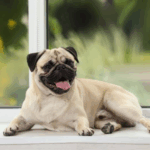
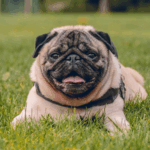
Pugs radiate a friendly, affectionate, and mischievous personality as they are a brachycephalic breed that is small. They are original Chinese dogs who were developed as companions and are still one of the most popular ones. But are they suitable for you? What would be better to say than plunge into Pug ownership’s pros and cons?

Pros of Owning a Pug Dog
1. Very loving & faithful
Pugs are people-loving and they flourish when in human company. They are gentle and develop strong attachment to their owners and adore cuddling hence making the best Lap dogs.
2. Sure to be Apartment Living
Pugs are adapted to apartments or small houses since they are small (14-18 lbs) and do not require much exercise. They do not need a yard although brief walks every day are helpful.
3. It has a Playful and Entertaining Personality
The Pugs have a clown personality; they are fun-loving creatures, and as such, their owners laugh at them due to their foolishness. The breed is suitable with children, older people, and other pets.
4. Moderate exercise needs
In contrast to breeds that need much energy, Pugs are satisfied with short walks and indoor games. This qualifies them as sturdy pets that are perfect even among less busy pet owners.
5. Heloderms Adapt to Other Lifestyles
No matter to which of these categories a person may belong in terms of living alone, having family, or being a senior, Pugs adapt. They are an easygoing kind that fits in any kind of living conditions.
Cons of Owning a Pug Dog
1. At Risk of Critical Illnesses
Pugs are a short-headed breed, i.e., the snout is short, which results in:
Breathing disorders (BOAS – Brachycephalic Obstructive Airway Syndrome)
Heat exhaustion, Hot weather
Greater Risk of respiratory infections
They are also afflicted with:
Hip dysplasia
Eye issues ( Pug Dog Encephalitis, Dry eye, and corneal ulcers)
Infection of the skin (because of the wrinkles)
2. Large Shedding and Grooming Requirements
Pugs also shed too much despite their short coat. They should be brushed (2-3 times a week), and they must be given daily face cleaning to ensure that the skin within the wrinkles is free of infection.
3. Snoring and Noiseless Breathing
Pugs tend to wake up with loud snoring and snorting because of their flat faces, and can be very annoying to light sleepers.
4. Obnoxious & Tough to Educate
Pugs are intelligent, but they are also stubborn, therefore making it a challenge to train them during potty training as well as obedience training. The most important thing is consistency and positive reinforcement.
5. Disposed to Obesity
Pugs are food-loving pets and will excel in overfeeding, resulting in obesity. Owners should regulate the parts and not give too many treats.
Final Verdict: Is a Pug the Right Dog for You?
Best For:
New owners of dogs
Apartment dwellers
Kid-holding families
The old are in need of companionship
People who want a low-energy dog
Not Suitable for:
Sufferers of allergy (as a result of shedding)
Active or very active owners (they are unable to deal with long runs/hikes)
Individuals who are not willing to deal with possible medical costs
Conclusion
Pugs are cute, sweet, low-key pets, yet their health issues, and grooming demands are serious. A Pug can be an excellent substitute in your home in case you are ready to face possible problems.
Waiting to know more about the dog breeds? Sign up to receive the ultimate pet care advice!