Hamza Sajjad
Introduction: Why Proper Crate Training is Essential for Your Pug
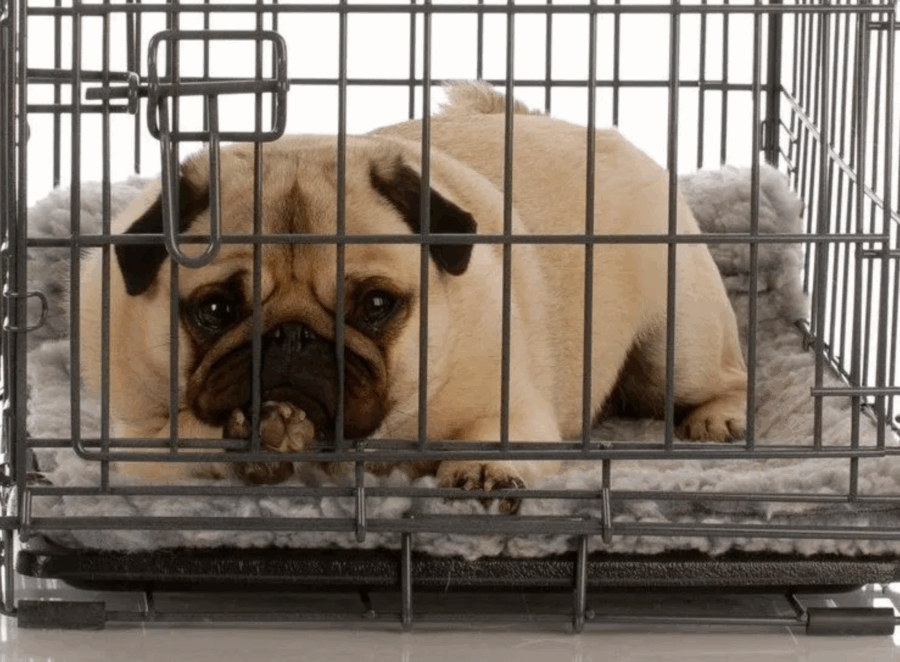
Crate training your Pug is one of the most effective ways to ensure their safety, comfort, and good behavior. When done correctly, it provides a secure den-like space, reduces anxiety, and aids in housebreaking. However, improper crate training can lead to stress and resistance. This comprehensive guide covers every aspect of Pug crate training, from selecting the right crate to troubleshooting common issues—ensuring a smooth and positive experience for both you and your furry friend.
Why Crate Training is Beneficial for Pugs
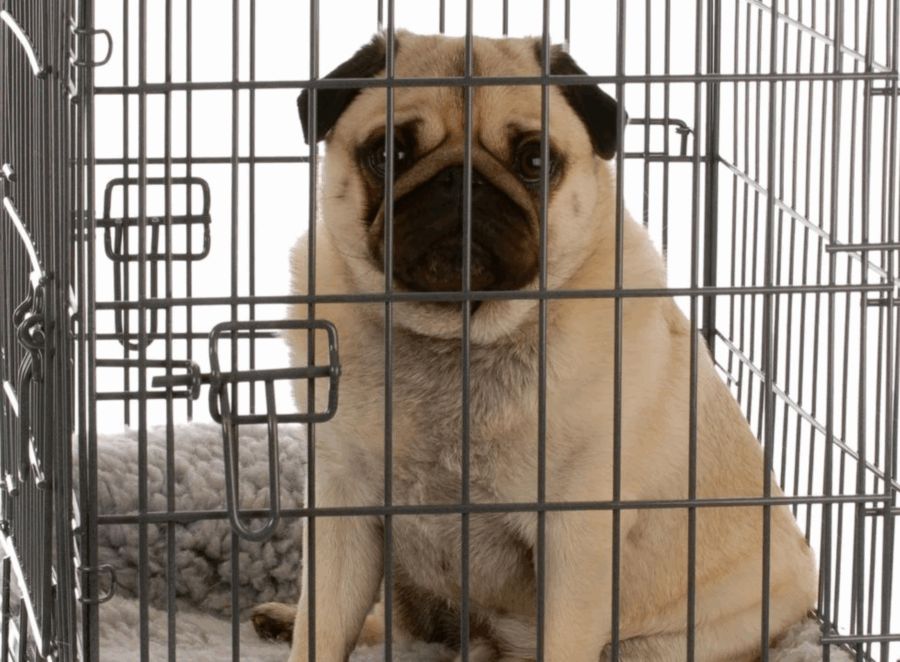
Pugs are companion dogs that thrive on structure and security. A crate offers:
Safe Space – A cozy retreat for relaxation.
Housebreaking Aid – Encourages bladder control.
Travel Safety – Secures your Pug during car rides.
Destruction Prevention – Keeps them out of trouble when unsupervised.
Choosing the Perfect Crate for Your Pug
Crate Type: Wire vs. Plastic vs. Soft-Sided
-
Wire Crates – Best for ventilation and visibility.
-
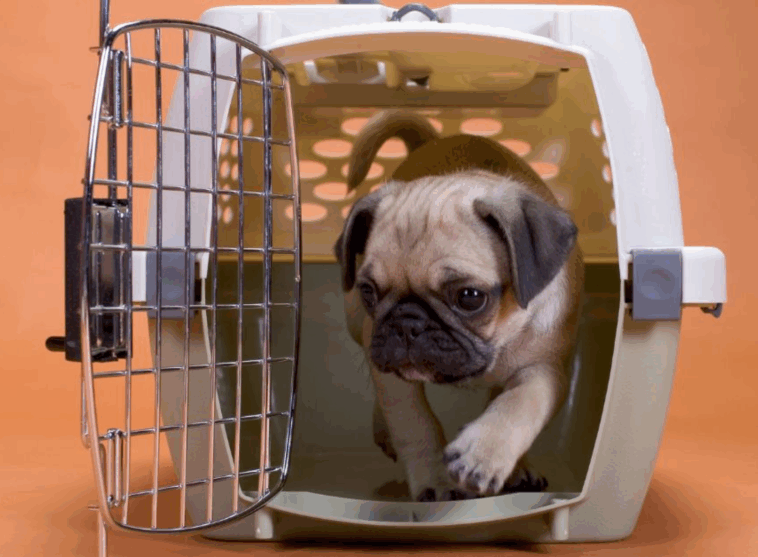
Plastic Crates – Ideal for travel (airline-approved).
-
Soft-Sided Crates – Lightweight but less durable for chewers.
Proper Crate Size
Your Pug should be able to:
Stand up without crouching.
Turn around comfortably.
Lie down stretched out.
Avoid oversized crates—they encourage accidents.
Essential Crate Accessories
-
Comfortable Bedding (orthopedic pads for joint support).
-
Chew Toys (Kong toys stuffed with treats).
-
Water Dispenser (for longer stays).
Step-by-Step Pug Crate Training Process
Introduction to the Crate
-
Place the crate in a high-traffic area.
-
Leave the door open, scatter treats inside.
-
Let your Pug explore voluntarily—never force them in.
Positive Association
-
Feed meals near the crate, then inside it.
-
Use a command like “Go to crate” and reward compliance.
Gradual Confinement
-
Start with 5-10 minutes with the door closed.
-
Gradually increase duration while staying nearby.
-
Overnight & Extended Stays
-
Keep the crate in your bedroom initially.
-
If whining occurs, wait for a pause before rewarding.
Common Pug Crate Training Mistakes to Avoid
Using the Crate as Punishment → Creates negative associations.
Ignoring Whining → Reinforces crying if you give in.
Leaving Too Long → Pugs shouldn’t be crated more than 4-5 hours.
Troubleshooting Crate Training Problems
My Pug Hates the Crate!
-
Slow down training, use higher-value treats.
-
Try covering the crate with a blanket for a den-like feel.
Excessive Whining or Barking
-
Ensure they’ve had exercise & potty breaks.
-
Use white noise or calming music.
Accidents in the Crate
-
Rule out medical issues.
-
Adjust feeding/potty schedule.
Final Thoughts: A Well-Trained Pug is a Happy Pug
Crate training, when done with patience and positivity, strengthens the bond between you and your Pug while ensuring their well-being. Follow this step-by-step guide, avoid common mistakes, and soon your Pug will love their crate as their personal sanctuary.
Boost Your Pug’s Training Success! Bookmark this guide or share it with fellow Pug owners.