Hamza Sajjad
Introduction: Understanding Pug Breathing Problems
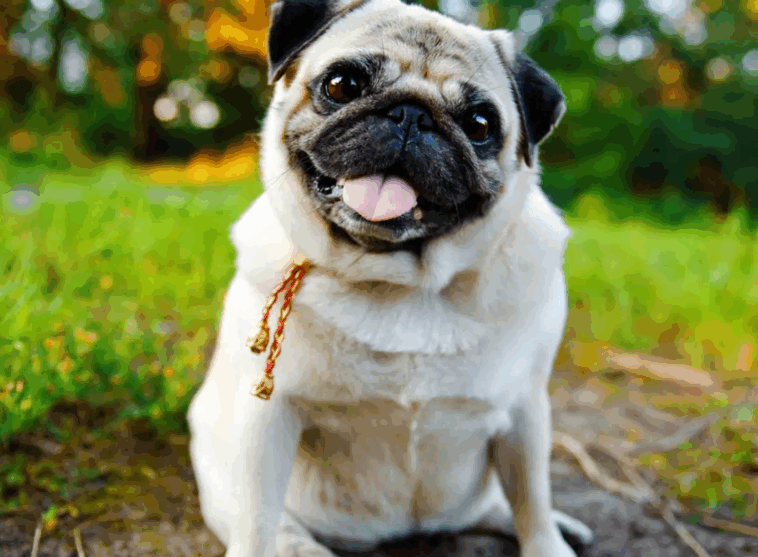
Pugs are super cute, lovable pets, and although they have an absolutely adorable brachycephalic (flat-faced) physiology, they are in turn extremely predisposed to developing serious breathing problems. All of these problems are referred to as Brachycephalic Obstructive Airway Syndrome (BOAS), which may substantially reduce the quality of their lives. In this detailed guide, we will find out about causes, symptoms, treatments, and prevention strategies of pug breathing problems- helping you take care of your furry friend and make him/her healthy and cheerful.
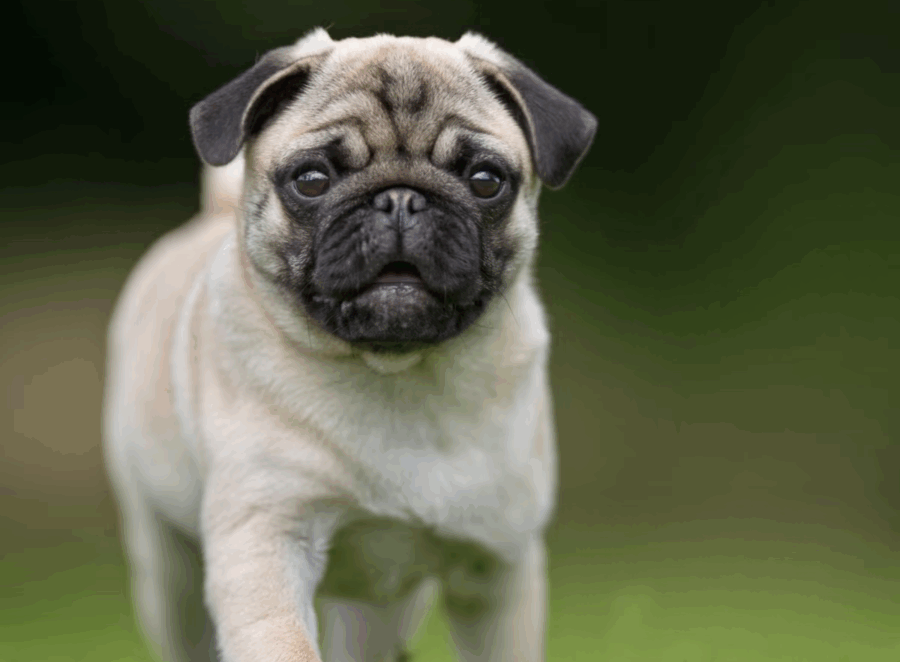
Why Do Pugs Have Breathing Problems?
Pugs are examples of brachycephalic breeds, i.e., their skulls are relatively shortened and airways are rather narrow. This causes a few structural deformities which limit the airflow:
1. Nares (Nostrils) Stenotic (Narrow)
Pinched or narrow nostrils are common in pugs; this hinders the pugs to breathe in sufficient air.
Symptoms: Wheezing, Prolonged snoring, extreme panting.
2. Long Soft Palate
This is due to the fact that the soft palate (located at the back of the throat) is long enough thereby partly obstructing the windpipe.
Symptoms:Gagging, choking, snorting sound.
3. Underdeveloped Windpipe (narrow windpipe/ trachea)
Other pugs get an underdeveloped trachea, which is an even further suffocating mechanism.
Signs and symptoms: Fast breathing, blue coloration of gums (cyanosis) and inability to exercise.
4. Inverted Laryngeal Saccules
Pouches distal to the larynx can go inside out because of a lot of breath effort which exacerbates the obstruction.
Signs and symptoms: High-pitched breathing (stridor), Collapse with severe cases.
Symptoms of Breathing Problems in Pugs
In time, you can prolong the life of your pug by recognizing the symptoms. Watch for:
Snorting, grunting, snoring during breathing Noisy breathing
Over-breathing hardly at all
Vomiting or gagging (non-exercise or post-exercise)
Blue or purple gums (deficiency of oxygen)
Exercise intolerance (falling down after short walks)
Sleep apnea . (Waking up frequently, gasping through the air)
How to Treat Pug Breathing Issues
Veterinary Diagnosis
X-rays & Endoscopy: Look at the airway blockades.
BOAS Grading: Grading is done by vets on the severity (Grade I to III).
2. Surgical Treatments
Nostril Widening (Rhinoplasty): They clear up the nasal passages.
Soft Palate Resection: Practices down on surplus of tissue.
Removal of laryngeal Saccule: Decreased Obstruction.
3. Lifestyle & home care
Weight: Breathing is aggravated by obesity.
Cool Environment: No heat /humidity.
Harness, rather than Collar: Less common to subsequent pressure.
Raised feeding bowls: Reduces the difficulty in swallowing.
Preventing Breathing Problems in Pugs
Select Reputable Breeders: Do not take extreme flat-faces pugs.
Do not Overexert: Just take small gentle strolls.
Keep an eye in Hot Weather: Pugs get overheated.
Vet Checkups Vet checkups are important: the sooner the better.
Final Thoughts: Improving Your Pug’s Quality of Life
Pug breathing problems are to be taken seriously but they can be managed. By learning the causes, symptoms and treatments you can be able to breathe easier and live longer for your pug. If your pug is acting very ill at all, get a vet! Early intervention makes a difference—lives hang in the balance!