Hamza Sajjad
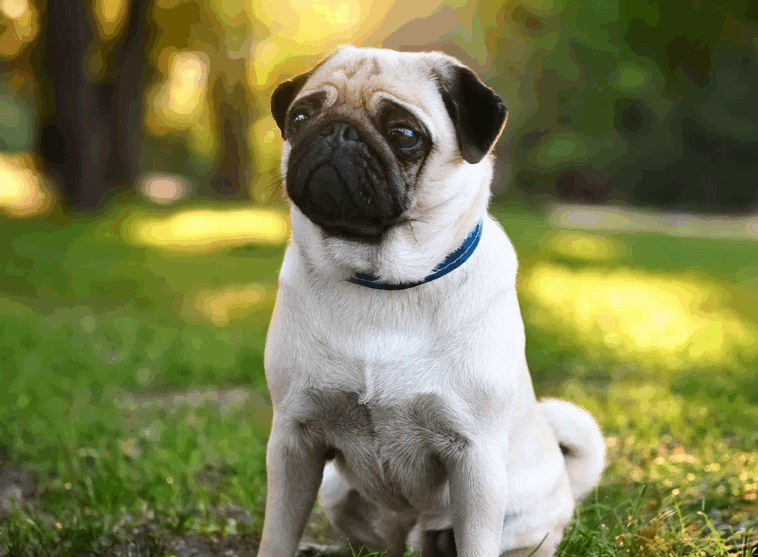
Introduction: Why Do Pugs Develop Behavior Problems?
Pugs are cute, loving and charming- but also can become troublesome when they develop behavior issues. It includes problems with too much barking, stubbornness, separation anxiety, aggression, which can result in a difficult relationship between you and your pug.
To correct behavior problems of pugs, first it is necessary to understand the cause of them. This guide discusses the most typical behavioral problems, their backgrounds, and effective solutions of how to raise a very well-behaved and happy pug.
Common Pug Behavior Problems & Solutions
1. Excessive Barking – Why Pugs Won’t Stop
The pugs talk a lot, although barking may be really annoying when it is excessive. In Theory the causes of hyperventilation are many Chapter 8 List the common triggers
Boredom/insulae
Separation anxiety
Attention-seeking behavior
Fear/ territoriality
Solutions:
Give mental stimulus (puzzle toys, training)
Do not pay attention to attention-seeking barks, instead, reward calm behavior
Make positive (reward) training (through the “Quiet” command)
2. Stubbornness & Difficulty Training
Pugs have a strong-willed nature, making training challenging. Their independent streak often leads to:
-
Ignoring commands
-
Selective hearing
-
Resistance to housebreaking
Solutions:
Use high-value treats (cheese, chicken) for motivation
Keep training sessions short & fun (5-10 minutes)
Be consistent with commands & rewards
3. Separation Anxiety in Pugs
Pugs develop strong attachment with their owners which results in:
Destructive chewing
Whining/howling when apart Whining/howling when alone
Due to stress, Peeing indoors takes place.
Solutions:
Slowly add up on alone time (initiate with 5 minutes)
Interactive toys (toys filled with peanut butter- Kong)
Calming devices (Thundershirt, pheromone emitting devices)
4. Aggression (Growling, Snapping, Biting)
In rare cases, there are pugs who are aggressive because of:
Fear (past trauma, nonsocialization)
Resource protecting (food, toys)
Hurt or ache (scout for medical conditions)
Solutions:
Become social at a young age (take them to dogs, people, places)
Prevent punitive action (augments fear-based aggression)
Use the services of a professional trainer in severe cases
5. Destructive Chewing & Digging
Pugs chew out of:
Teething pain (puppies)
Depression (insufficient sports activities)
Anxiety (stress relief)
Solutions:
Some sort of chew toys (Nylabones, rubber toys)
Engage more activities (walks, playing) every day
Furniture can be sprayed with bitter apple
6. Housebreaking Challenges
Pugs are difficult to potty train as follows:
Very small bladders (requiring frequent emptying of the bladders)
Rebelliousness (play deaf).
Medical matters (UTI’s, Diabetes etc)
Solutions:
Stick to potty timetable (once in every 2-3 hours)
Immediately follow outdoor success with reward
Eliminate health issues through a vet
Preventing Pug Behavior Problems
First socialization (around meet & greet with people, pets & noises)
Reconseguiente training (only positive reinforcement)
Mental & physical stimulation (days walks & puzzle toys)
Routin vet checks (pain or illness can cause misbehaving behavior)
Final Thoughts: Fixing Pug Behavior Takes Patience
The pugs are affectionate yet are stubborn, nervous, and rogue. The secret of carefully repairing behavior issues is by knowing their trigger and applying perfect power training.
Tackling problems when they are small and being consistent, you will soon have a well-behaved happy pug!
Still in need? Do you see our [Pug Training Guide] or hire a professional trainer!