Hamza Sajjad
Introduction: Why Understanding Pug Behavior Matters
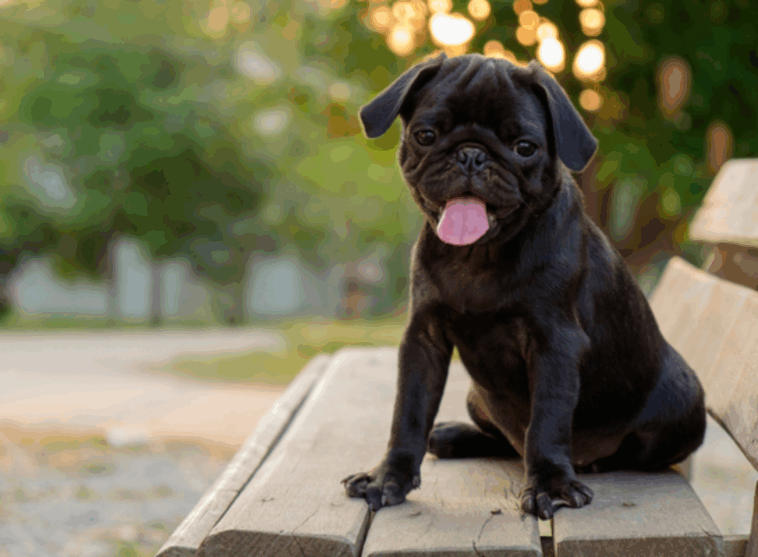
Pugs are one of the most lovable and quirky dog breeds, known for their charming personalities, expressive faces, and playful antics. However, their behavior can sometimes be puzzling to new owners. Whether it’s their stubbornness, clinginess, or sudden bursts of energy, understanding pug behavior is essential for building a strong bond with your furry friend.
In this in-depth guide, we’ll explore every aspect of pug behavior—instincts, temperament, social traits, common quirks, and training tips—to help you decode what makes your pug tick.

The Pug Temperament: What Makes Them Unique?
Pugs are affectionate, sociable, and sometimes mischievous companions. Their behavior is shaped by their history as lap dogs for Chinese emperors, making them crave human attention.
Key Personality Traits of Pugs:
Extremely affectionate – They love cuddles and being close to their owners.
Playful yet lazy – They enjoy short bursts of energy but love napping.
Stubborn but eager to please – Training requires patience.
Highly social – They thrive on interaction with humans and other pets.
Sensitive – Harsh discipline can make them withdrawn.
Common Pug Behaviors & What They Mean
The “Pugtona” (Zoomies)
Pugs often sprint in circles—known as the “Pugtona”—due to pent-up energy. This is normal but should be monitored to prevent overheating.
Snorting, Snoring & Reverse Sneezing
Due to their brachycephalic (flat-faced) structure, pugs make odd noises. Reverse sneezing (rapid inhalations) is common but usually harmless.
Following You Everywhere (Velcro Dog Syndrome)
Pugs form deep attachments and may follow you from room to room—separation anxiety can develop if not managed.
Stubbornness & Selective Hearing
Pugs have a strong independent streak, making training a challenge. Positive reinforcement works best.
Excessive Licking & Chewing
This could signal boredom, anxiety, or allergies. Provide chew toys and mental stimulation.
Social Behavior: How Pugs Interact with Humans & Other Pets
-
With Owners: Extremely loyal, often seeking lap time.
-
With Strangers: Friendly but may bark initially.
-
With Other Dogs: Generally sociable but can be territorial.
-
With Cats/Kids: Usually good, but supervision is needed due to their small size.
Training & Managing Pug Behavior
Housebreaking Challenges
Pugs can be hard to potty train due to stubbornness. Consistency and rewards are key.
Curbing Excessive Barking
Pugs bark for attention or boredom. Redirect with toys or commands like “quiet.”
Dealing with Separation Anxiety
-
Gradually increase alone time.
-
Leave interactive toys.
-
Avoid dramatic goodbyes.
Preventing Obesity (A Major Pug Issue)
-
Stick to scheduled meals.
-
Avoid overfeeding treats.
-
Ensure moderate exercise.
Health & Behavior: When to Worry
Certain behaviors may indicate health problems:
Excessive scratching → Allergies or skin infections
Lethargy & lack of appetite → Possible illness
Aggression or sudden fearfulness → Pain or neurological issues
Regular vet check-ups are crucial for pugs due to their susceptibility to breathing problems, hip dysplasia, and eye issues.