Hamza Sajjad
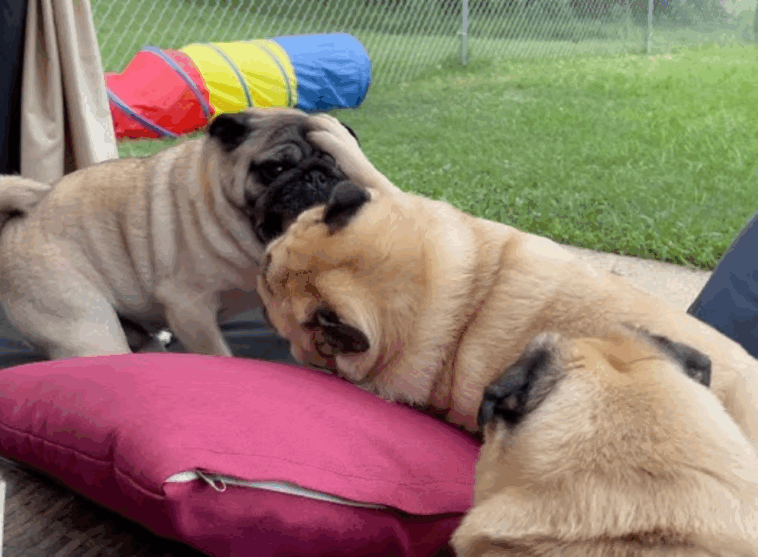
The Psychology of the Pug Grumble: Unraveling Their Special Sound Language
If you live with a pug, you’re surely no stranger to the orchestra of weird and wonderful sounds they bring with them. While other dogs bark or whine, the pug has mastered a very special way of communicating: the grumble. This low grunting, rumbling sound is more than a peculiar noise; it’s an advanced communication tool based on their anatomy, psychology, and close relationship with their humans. Learning about the pug grumble psychology can strengthen the owner-pet bond by giving insight into what these loving friends are experiencing and thinking.
More Than Just Noise: What Is the Pug Grumble?
The pug grumble is a characteristic sound that lies somewhere between a happy sigh, a playful grunt, and a low-grade complain. It is different from the growl, which is higher-pitched, and is usually a warning or show of aggression. The grumble is deeper, softer, and, typically, combined with calm body language. It’s a sound specifically well-suited to the physical build of the pug. Their brachycephalic structure—shortened airway, lengthened soft palate, and dense vocal cords—forms a resonating chamber that magnifies these guttural noises. But anatomy only teaches us how they do it; psychology tells us why.
The Many Meanings Behind the Grumble
Pugs employ a range of grumbles to convey their mood and intentions:
- Contentment Grumble: A creaky purr-like sound when stroked or snuggled, indicating contentment and enhancing social bonding.
- Attention Grumble: A repeated, low rumble to ask for play, interaction, or attention from their owner.
- Complaint Grumble: Sent with sighs or side-eye to show mild discontent over something they don’t like.
- Playful Grumble: An enthusiastic offer to play, often paired with a “play bow” and bouncy motions.
- Anxious Grumble: A self-comforting noise in stressing circumstances, frequently accompanied by nervous posture such as a tucked tail.
How to Respond to Your Pug’s Grumbles
Learning the psychology of the grumble is one thing; learning how to appropriately respond is another.
- For Contentment Grumbles: Reinforce the good behavior with some gentle petting or soft verbal attention. This makes your pug associate these relaxed sounds with further attention.
- For Attention-Seeking Grumbles: Identify what your pug may require. If they are demanding play or a bathroom break, attend to it. If they are being excessively demanding, do not reward incessant grumbles with attention to avoid encouraging bad habits.
- For Complaint Grumbles: At times, validating their opinion with a flippant comment is sufficient. But if the grumbling has something significant attached (such as discomfort or ill health), dig deeper.
- For Anxious Grumbles: Provide reassurance with calm energy and routine comfort. Do not coddle anxious behavior, but offer comfort through being with you.
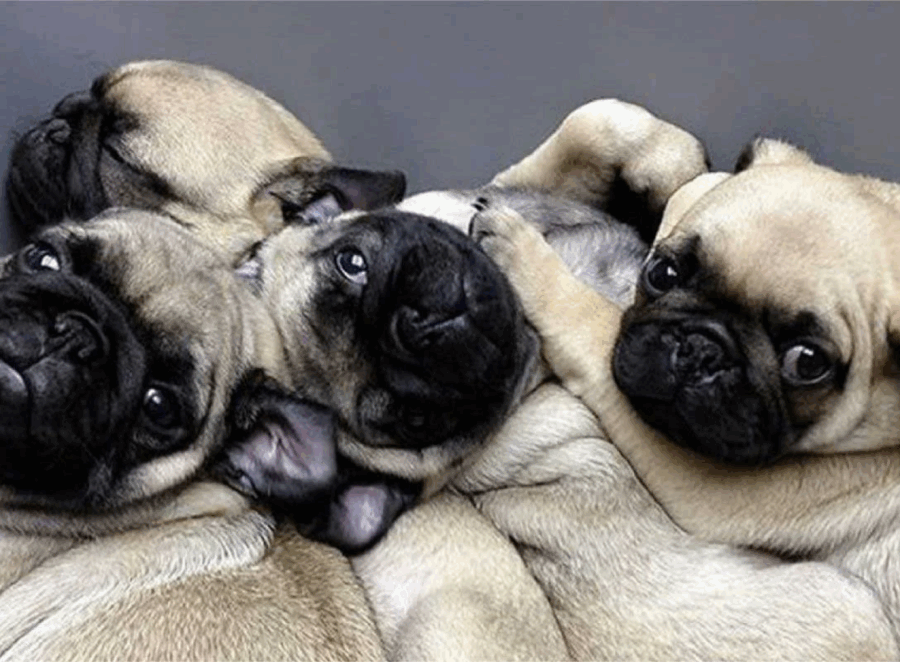
The Grumble as a Signature Trait
Pug grumbling is much more than just a sound—it’s a glimpse into their emotional landscape. So next time your pug performs a rumbling concert for you, pay attention. They’re not simply shouting; they’re communicating their thoughts, feelings, and unapologetic pug personality to you