Hamza Sajjad
Introduction
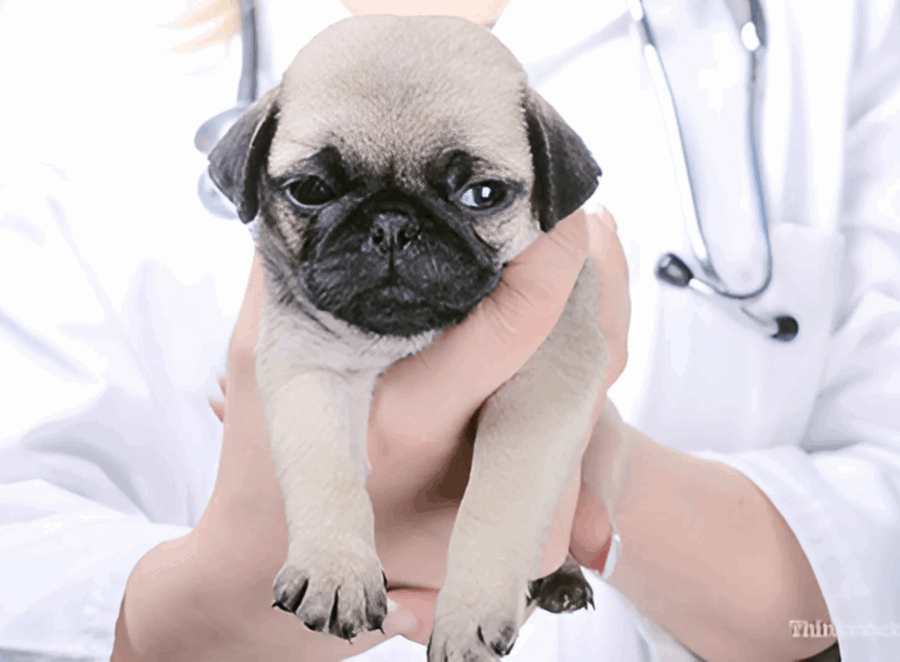
Bringing home a pug is an exciting experience, but ensuring their health starts with a well-planned first vet visit. As a pug owner, you must be prepared to address breed-specific concerns, vaccinations, diet, and overall wellness. This comprehensive guide covers everything you need to know to make your pug’s first vet visit smooth, stress-free, and beneficial for their long-term health.
Why Your Pug’s First Vet Visit is Crucial
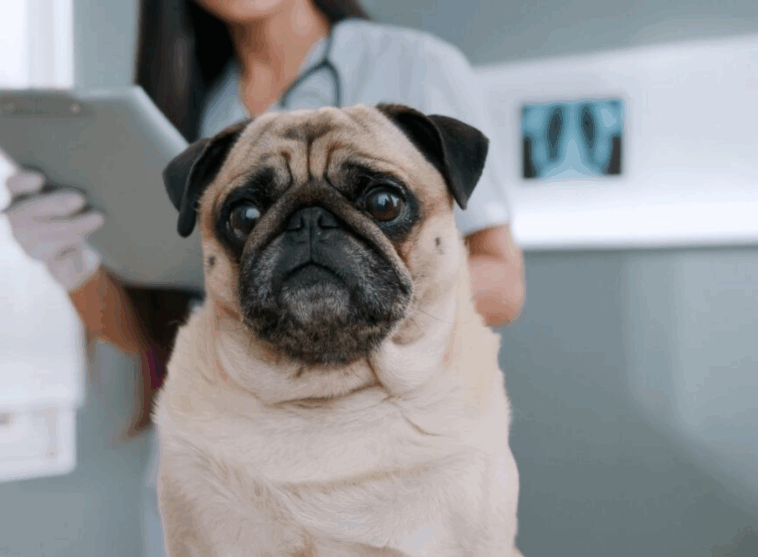
Pugs are a brachycephalic (short-nosed) breed, making them prone to respiratory issues, skin infections, and joint problems. Early veterinary care helps detect potential health risks and establishes a baseline for future check-ups. Skipping or delaying this visit can lead to undiagnosed conditions that may worsen over time.
Key Objectives of the First Vet Visit:
-
Health Assessment – Checking for congenital disorders.
-
Vaccination Schedule – Core vaccines to prevent diseases.
-
Parasite Prevention – Flea, tick, and worm treatments.
-
Nutritional Guidance – Best diet for pug’s weight management.
-
Behavior & Training Tips – Addressing common pug behaviors.
Pre-Visit Checklist: What to Bring
To ensure a productive vet visit, gather the following:
Medical Records – If adopted or purchased, bring breeder/ shelter health documents.
Stool Sample – For parasite testing.
List of Questions – Diet, exercise, grooming, and behavior concerns.
Carrier or Harness – Pugs can overheat; a secure carrier ensures safety.
Treats & Comfort Items – Helps reduce anxiety.
What to Expect During the Visit
1. Physical Examination
The vet will check:
-
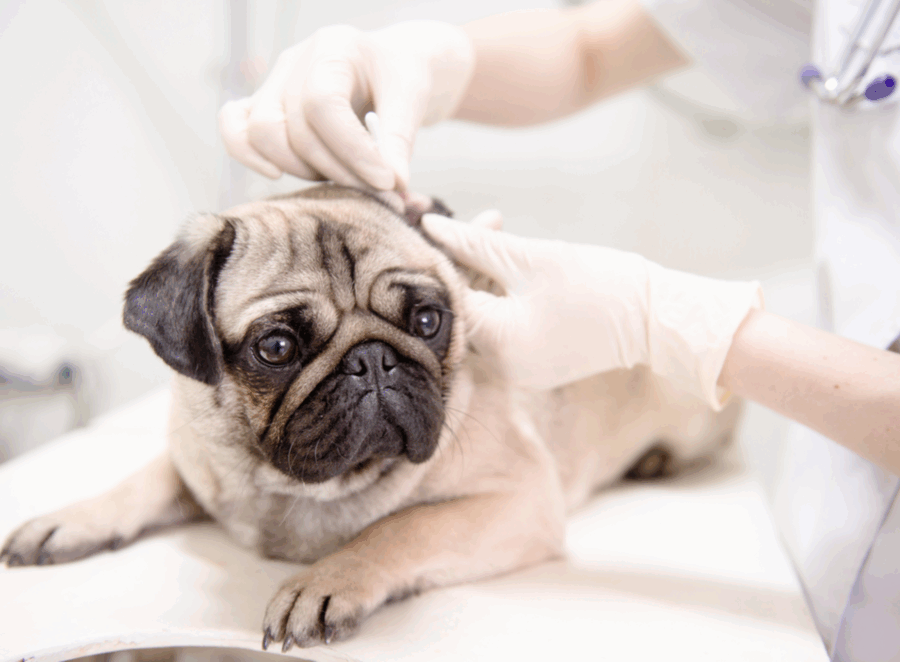
Eyes & Nose – Pugs often suffer from dry eyes (KCS) and nasal congestion.
-
Skin & Coat – Look for allergies or infections in their folds.
-
Weight & Body Condition – Pugs easily gain weight, leading to joint stress.
-
Heart & Lungs – Listening for breathing difficulties (common in brachycephalic breeds).
-
Hips & Joints – Early signs of hip dysplasia or patellar luxation.
2. Vaccinations & Preventative Care
Core vaccines include:
-
DHPP (Distemper, Hepatitis, Parvovirus, Parainfluenza)
-
Rabies (Required by law in most regions)
-
Bordetella (Kennel cough prevention)
Your vet may also recommend:
-
Flea & Tick Prevention (Topical/oral treatments)
-
Deworming (Pugs are prone to intestinal parasites)
3. Nutritional Consultation
Pugs are food-motivated and prone to obesity. Your vet may suggest:
-
High-protein, low-fat diet
-
Portion control & scheduled feeding
-
Avoiding human food (Especially toxic items like chocolate, grapes, and onions)
4. Discussing Common Pug Health Issues
-
Brachycephalic Syndrome – Breathing difficulties due to short snouts.
-
Hip Dysplasia – Genetic joint condition.
-
Eye Problems (Dry eye, corneal ulcers, proptosis).
-
Skin Infections – Due to deep facial wrinkles.
Post-Visit Care & Follow-Up
1. Monitoring Your Pug’s Reaction
-
Watch for lethargy, vomiting, or swelling (rare vaccine reactions).
-
Keep them hydrated and avoid strenuous activity post-vaccination.
2. Scheduling Future Visits
-
Booster shots (3-4 weeks after initial vaccines).
-
Spaying/Neutering (Recommended at 6-9 months).
-
Dental Check-ups (Pugs are prone to dental disease).
3. At-Home Health Maintenance
-
Daily wrinkle cleaning (Prevents infections).
-
Moderate exercise (Avoid overheating).
-
Regular weight checks (Prevent obesity-related issues).
Final Thoughts: Setting Your Pug Up for a Healthy Life
Your pug’s first vet visit sets the foundation for their lifelong well-being. By being proactive, asking the right questions, and following veterinary advice, you can prevent common health issues and ensure a happy, thriving companion.
Pro Tip: Book your next appointment before leaving the clinic to stay on track with vaccinations and wellness checks.