Hamza Sajjad
Introduction: Understanding the Pitbull’s Journey
Pitbulls are one of the most misunderstood dog breeds in the world. Often mislabeled as aggressive, their history reveals a far more complex and fascinating evolution. From their origins as working and fighting dogs to their modern-day role as loyal family pets, Pitbulls have undergone a dramatic transformation.
In this in-depth guide, we explore the complete evolution of Pitbulls, covering their history, genetic development, breed variations, and societal perceptions. Whether you’re a dog enthusiast, a potential Pitbull owner, or just curious about this iconic breed, this article provides SEO-optimized, well-researched insights to boost your knowledge—and your website traffic.
The Origins of Pitbulls: A Historical Perspective
Ancestral Roots: The Molosser Dogs
Pitbulls trace their lineage back to ancient Molosser dogs, powerful canines used in warfare and guarding by the Greeks and Romans. These dogs were later bred in England, leading to the development of the Old English Bulldog.
The Emergence of Bull-and-Terrier Crosses
In the 18th and 19th centuries, Bulldogs were crossed with Terriers to create a more agile and tenacious breed. These “Bull-and-Terrier” mixes were used in blood sports, including bull-baiting and dogfighting, before such practices were outlawed.
Migration to America: The Birth of the American Pit Bull Terrier
When immigrants brought these dogs to America, they were refined into the American Pit Bull Terrier (APBT)—a versatile breed used for hunting, herding, and as family protectors. Their strength and loyalty made them popular working dogs.
The Genetic Evolution of Pitbulls
Selective Breeding for Temperament and Strength
Early breeders focused on enhancing desirable traits like:
-
Loyalty (for companionship)
-
Athleticism (for hunting and labor)
-
Pain tolerance (a remnant of their fighting past)
Modern Pitbull Breeds: Variations and Standards
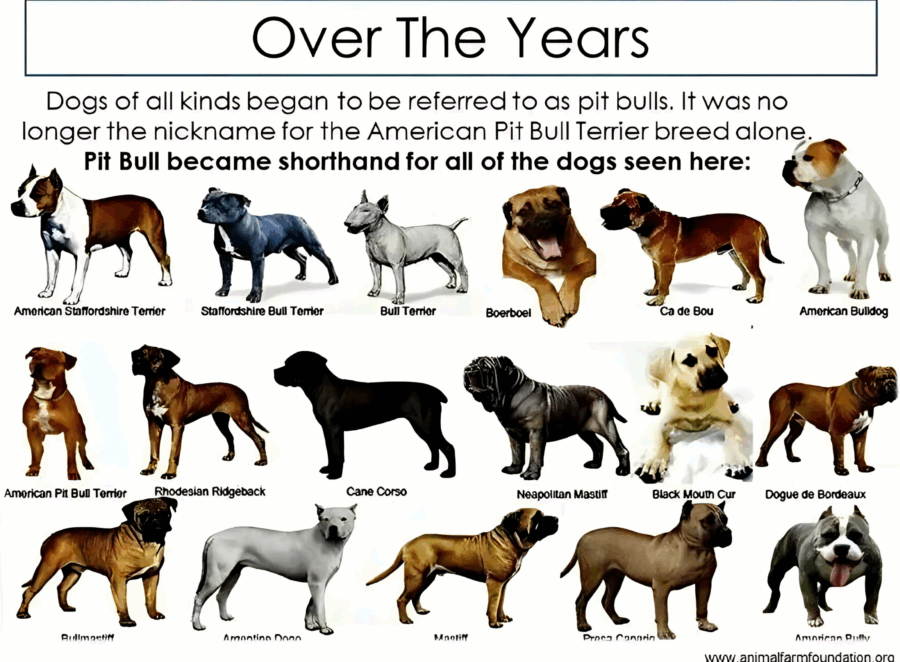
Today, several breeds fall under the “Pitbull” umbrella, including:
-
American Pit Bull Terrier (APBT)
-
American Staffordshire Terrier (AmStaff)
-
Staffordshire Bull Terrier (Staffy)
-
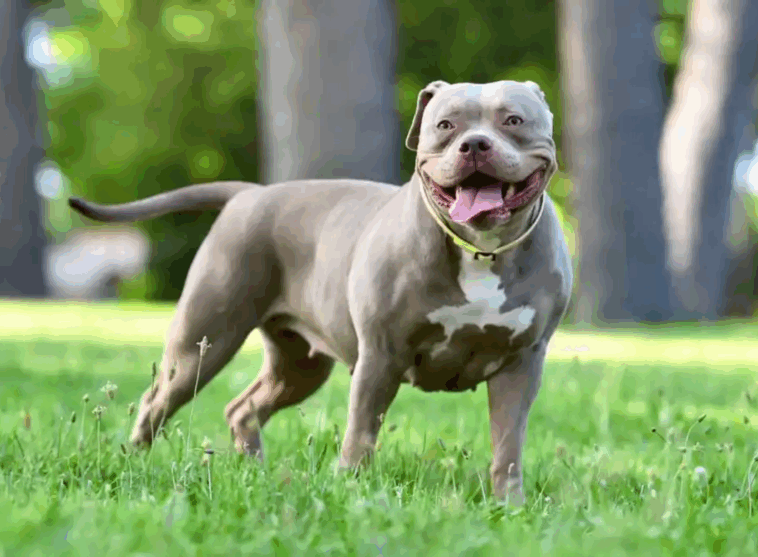
American Bully (a newer, bulkier variant)
Each has distinct characteristics, but all share a common ancestry.
The Shift in Public Perception: From Villain to Hero
The Media’s Role in Demonizing Pitbulls
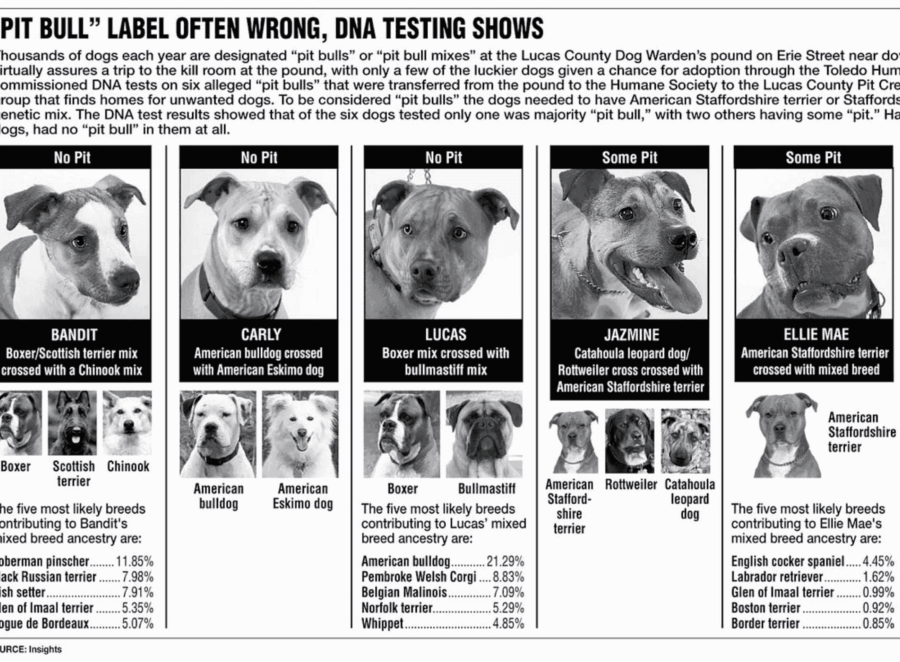
Sensationalized news stories in the 1980s-2000s painted Pitbulls as inherently dangerous, leading to breed-specific legislation (BSL) and bans in some areas.
Rehabilitation Efforts: Pitbulls as Therapy and Service Dogs
Organizations like the American Temperament Test Society (ATTS) have shown that Pitbulls score higher in temperament tests than many popular breeds, including Golden Retrievers. Their intelligence and eagerness to please have made them excellent:
-
Therapy dogs
-
Search-and-rescue dogs
-
Service animals
Celebrity Influence and Pop Culture
Pitbulls have gained positive representation through:
-
Famous owners (e.g., Helen Keller, Theodore Roosevelt)
-
Movies and TV (e.g., “The Little Rascals,” “Pit Bulls & Parolees”)
-
Social media influencers showcasing their loving nature
The Future of Pitbulls: Trends and Advocacy
The Rise of Responsible Breeding
Ethical breeders now prioritize:
-
Health testing (to reduce hip dysplasia and heart issues)
-
Behavioral temperament (to ensure stable, friendly dogs)
The Fight Against BSL and Misinformation
Advocacy groups like the ASPCA and Best Friends Animal Society work to:
-
Overturn discriminatory laws
-
Educate the public on responsible ownership
The Growing Popularity of Pitbull Mixes
Designer mixes like Pitbull Lab (Pitador) and Pitbull Boxer (Bullboxer) are gaining traction for their balanced temperaments and unique looks.
Conclusion: Why Pitbulls Deserve a Second Chance
The evolution of Pitbulls is a story of resilience and redemption. Once bred for combat, they have proven themselves as loving, intelligent, and adaptable companions. By understanding their true nature, we can move past stereotypes and appreciate them for the incredible dogs they are.
Call to Action
If you found this guide insightful, share it to help combat Pitbull stigma! Considering adopting? Check local shelters—many amazing Pitbulls are waiting for loving homes.