Hamza Sajjad

Maximizing Pug Comfort: A Guide to Navigating Changes in Health and Maintaining Well-Being Throughout All Stages of Life
Optimizing Pugs comfort, with their lovely eyes and charming demeanor, are a source of great joy for their owners. Their little faces, stumpy bodies, and particular genetic traits, however, render them particularly susceptible to health issues, particularly with advancing age. Being a pug owner means knowing how to maximize your buddy’s comfort across different life stages as a means of guaranteeing they are not only happy and healthy but also have a fulfilling life. This manual outlines effective measures for managing common health changes and maximizing your pug’s overall daily well-being.
Understanding the Pug’s Unique Health Profile
Pugs are a brachycephalic breed with shortened airways, which cause breathing complications, particularly in hot or humid conditions. They are also prone to obesity, joint problems, eye infections, and skin infestations with their deep facial folds. As age advances, these factors become more intense, necessitating careful attention and adjustments to the environment and routine.
Designing a Comfortable Living Environment
1. Temperature Regulation
Pugs have trouble maintaining their body temperature. Their short noses prevent them from panting effectively, leaving them at great risk of heatstroke.
- Maintain cool indoor areas with air conditioning or fans during hot weather.
- Offer a constant supply of fresh, cool water and walk your pug off-peak, in the early morning or evening.
- Apply cooling mats or vests for additional comfort in warm weather.
2. Orthopedic Support
Pugs are prone to joint issues like hip dysplasia and patellar luxation. As they age, arthritis can develop, causing pain and reducing mobility.
- Invest in an orthopedic dog bed to cushion their joints and provide support.
- Use ramps or steps to help them access furniture or vehicles without jumping.
- Ensure flooring is non-slip to prevent injuries. Rugs or mats can help provide traction.
3. Cleanliness and Skin Care
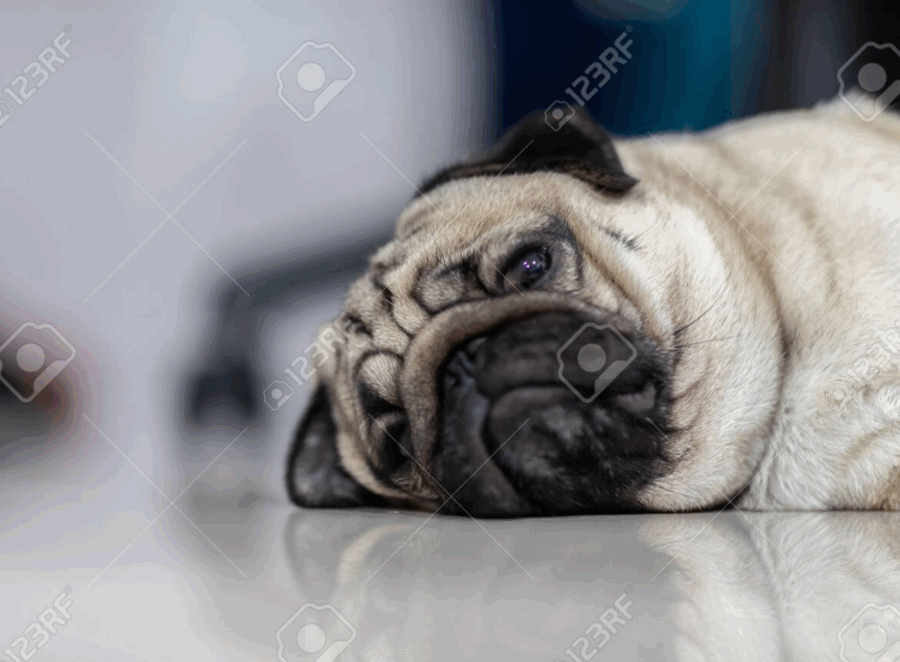
Deep facial wrinkles of a pug need to be cleaned regularly to avoid infection. Their eyes are also susceptible to damage and irritation.
- Clean wrinkles gently every day with a soft, wet cloth and dry really well to prevent moisture accumulation.
- Clean their eyes free of debris and see a vet if you see redness or discharge.
- Bathing regularly with a mild dog shampoo may help keep skin healthy.
Adjusting Nutrition for Health and Comfort
1. Weight Control
Obesity is a prevalent problem in pugs and may worsen breathing difficulties, arthritis, and other ailments.
- Carefully measure meals and avoid overfeeding.
- Select high-quality, low-calorie food specific to their age and activity level.
- Restrict treats and use healthy alternatives such as little pieces of vegetables or special dental chews designed to promote oral health.
2. Dealing with Digestive Sensitivities
Pugs tend to have delicate stomachs, which can be the cause of discomfort, gas, or irregular bowel habits.
- Provide small, frequent meals to avoid bloating.
- Use a sensitive stomach diet with ingredients that are easily digested.
- Probiotic supplementation can support gut health.
3. Hydration
Adequate hydration contributes to overall health and maintaining body temperature.
- Provide fresh water at all times.
- Moisten dry kibble with wet food or water to boost moisture consumption.
Increasing Mobility and Mental Well-Being
1. Low-Impact Exercise
Though pugs require daily exercise to remain healthy, excessive exercise can put a strain on their respiratory and joint systems.
- Short, casual walks are best. Steer clear of rigorous exercise, particularly during inclement weather.
- Indoor play sessions with interactive toys can be a source of mental stimulation without physical exertion.
2. Mental Stimulation
A bored pug is a mischievous pug. Mental stimulation can keep them alert and curb anxiety.
- Puzzle toys and treat-dispensing games promote problem-solving.
- Short training sessions establish obedience and offer mental stimulation.
- Socialization with other relaxed dogs can provide emotional enrichment.
3. Comfort Through Routine
Predictability is what Pugs love. A regular daily routine alleviates stress and makes them feel safe.
- Maintain regular feeding, walking, and sleeping schedules.
- Offer a quiet, dedicated place for rest free from household noise.
Identifying and Managing Pain or Discomfort
Pugs often do not clearly express pain. It is essential to identify subtle signs:
- Limping or avoiding movement could be a sign of joint pain.
- Overpanting or wheezing may be a sign of respiratory distress.
- Lethargy or loss of appetite may be indicative of an underlying condition.
If you notice any of these symptoms, see your vet immediately. Pain management, which can be achieved with medication, physical therapy, or changes in your pug’s lifestyle, can greatly enhance your pug’s quality of life.
The Golden Years: Special Care for Senior Pugs
As pugs age (around 8-10 years, on average), they might need extra care:
- More frequent veterinary check-ups to monitor age-related conditions.
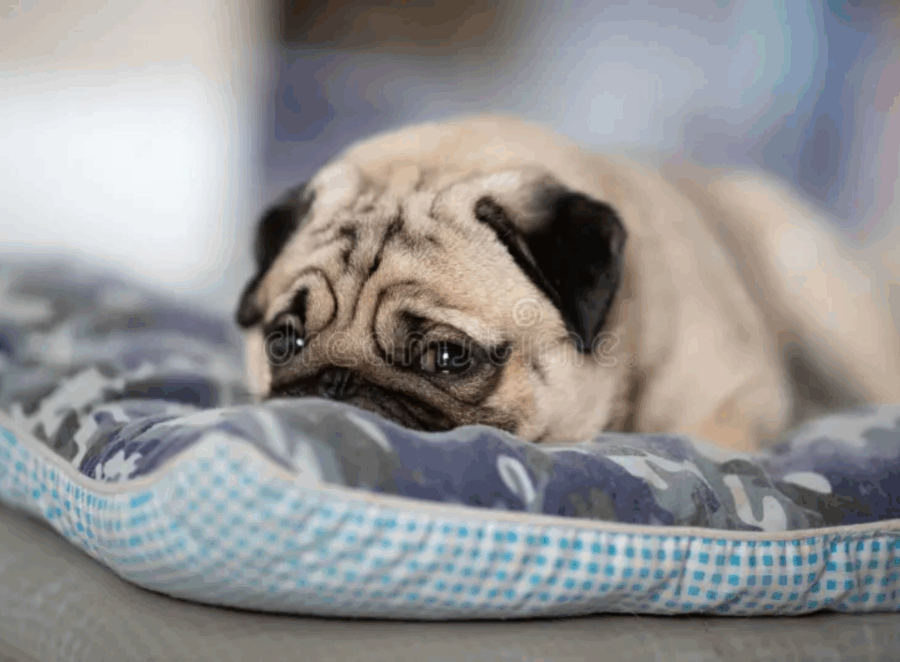
- Softer, more accessible bedding to ease arthritic discomfort.
- Adapted nutrition to support aging organs and joints.
Conclusion
Optimizing your pug’s comfort is a lifelong commitment rooted in love, observation, and proactive care. By understanding their unique needs—from temperature sensitivity and joint health to mental well-being—you can create a nurturing environment that helps them thrive at every stage of life. Routine veterinary attention, special feeding, and careful adjustments to their living environment will keep your pug not only comfortable, but genuinely happy. And what’s more, a happy pug is a valued companion whose enjoyment and devotion make your life so much richer in so many ways.