Hamza Sajjad
Introduction
Moving to a new home is an exciting yet stressful experience—not just for you, but also for your pug. These lovable, wrinkly-faced companions thrive on routine, and a sudden change in environment can trigger anxiety. However, with the right preparation, you can ensure a smooth transition for your pug while keeping their well-being a top priority.
In this comprehensive guide, we’ll cover everything you need to know about moving to a new home with a pug, including:
-
Pre-move preparations to reduce stress
-
Packing strategies that keep your pug comfortable
-
Travel safety tips for short and long-distance moves
-
Helping your pug adjust to the new home
-
Common challenges and how to overcome them
By the end, you’ll have a foolproof plan to make the move as seamless as possible for both you and your furry friend.
Pre-Move Preparations: Setting Your Pug Up for Success
Maintain Routine as Much as Possible
Pugs are creatures of habit. Any disruption in their feeding, walking, or playtime schedule can cause stress. In the weeks leading up to the move:
-
Stick to their usual meal and walk times.
-
Keep their favorite toys and bedding accessible.
-
Avoid introducing major changes (like new food or grooming routines).
Familiarize Your Pug with Moving Supplies
The sight of boxes and packing materials can be unsettling. To help your pug adjust:
-
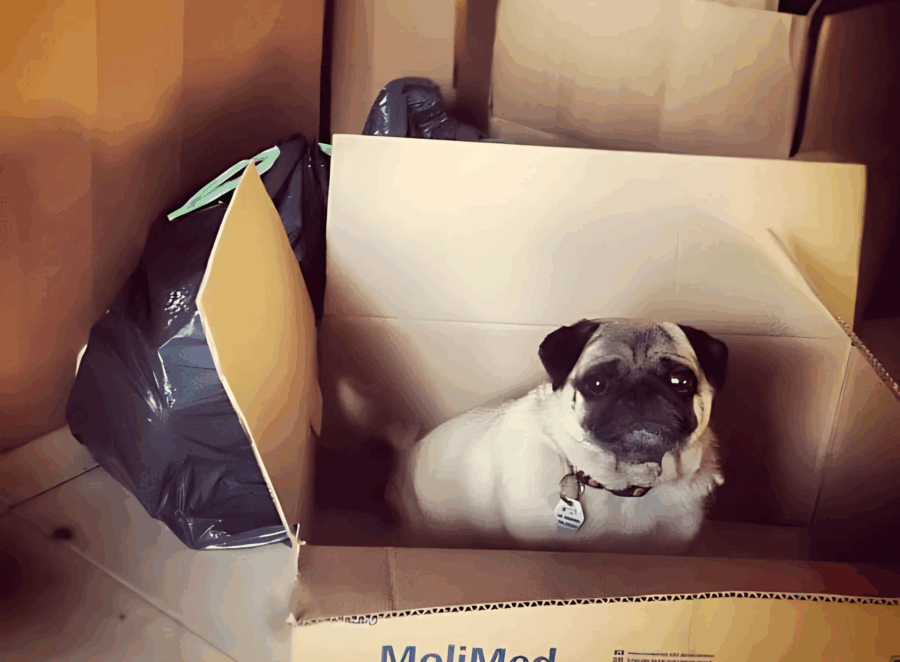
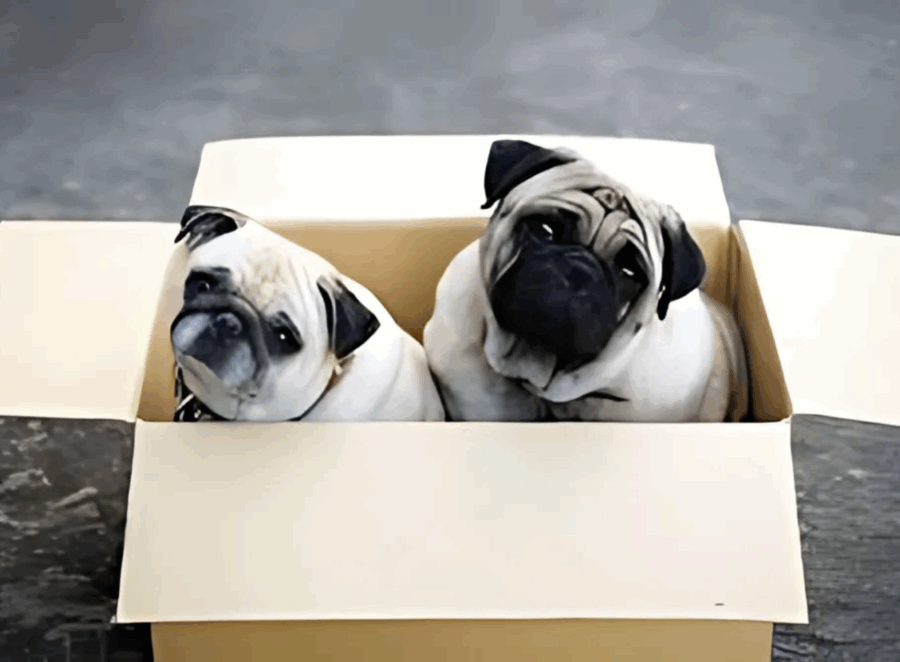
Let them sniff and explore empty boxes.
-
Reward calm behavior around packed items with treats.
-
Keep their crate or safe space undisturbed until moving day.
Update Identification & Vet Records
Before moving:
-
Ensure your pug’s microchip and ID tags have your new address.
-
Get a copy of their medical records from your current vet.
-
Research veterinarians near your new home in case of emergencies.
Moving Day: Keeping Your Pug Safe & Calm
Create a Quiet, Secure Space
On moving day, chaos is inevitable. To prevent stress or escape attempts:
-
Confine your pug to a quiet room with their bed, toys, and water.
-
Use a baby gate or crate to keep them secure while movers work.
-
Play calming music or white noise to mask loud sounds.
Travel Safety Tips
Whether you’re driving or flying:
-
Use a crash-tested dog harness or travel crate for car rides.
-
Never let your pug stick their head out the window (risk of injury).
-
For long trips, schedule breaks every 2-3 hours for bathroom and hydration.
-
Avoid feeding a large meal before travel to prevent nausea.
Overnight Stays (If Needed)
If your move requires a hotel stay:
-
Book pet-friendly accommodations in advance.
-
Bring familiar items (blanket, toy, food bowl) to ease anxiety.
-
Keep your pug leashed in unfamiliar environments.
Helping Your Pug Adjust to the New Home
Introduce One Room at a Time
Overwhelming your pug with the entire house can be stressful. Instead:
-
Start by confining them to one quiet room (like the bedroom).
-
Gradually allow access to other areas over a few days.
-
Use baby gates to block off unsafe zones (stairs, kitchen hazards).
Re-Establish Routines Quickly
Pugs feel secure with predictability. As soon as possible:
-
Resume regular feeding and walking schedules.
-
Set up their bed, crate, and toys in a familiar layout.
-
Spend extra time cuddling and playing to reinforce comfort.
Watch for Signs of Stress
Common stress signals in pugs include:
-
Excessive panting or drooling
-
Loss of appetite
-
Hiding or clinginess
-
Accidents (even if house-trained)
If these behaviors persist beyond a week, consult a vet for anxiety solutions.
Common Challenges & Solutions
Trouble: Pug Refuses to Eat in New Home
-
Solution: Warm their food slightly or add a tasty topper (pumpkin, chicken broth).
Problem: Excessive Barking at New Sounds
-
Solution: Use white noise machines and reward quiet behavior with treats.
Trouble: Marking or Accidents Indoors
-
Solution: Reinforce potty training with frequent outdoor breaks and enzyme cleaners to remove odors.
Final Thoughts: A Happy Pug in a Happy Home
Moving with a pug requires patience, but with the right approach, your furry friend will adapt quickly. By maintaining routines, ensuring travel safety, and gradually introducing the new space, you’ll minimize stress and help your pug feel at home in no time.
Pro Tip:
Take lots of photos during the move—your pug’s reactions (whether curious or grumpy) will be priceless memories!
Ready to Make Your Move Stress-Free?
Bookmark this guide and share it with fellow pug owners. A smooth transition means a happier pug and a happier you!