Hamza Sajjad
Introduction: Why a Monthly Pug Health Check is Essential
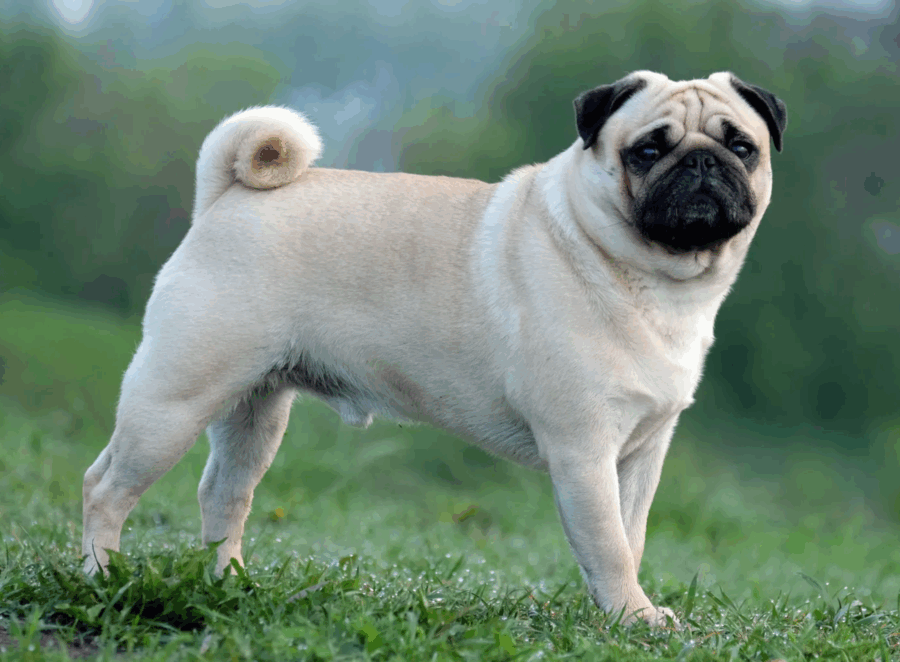
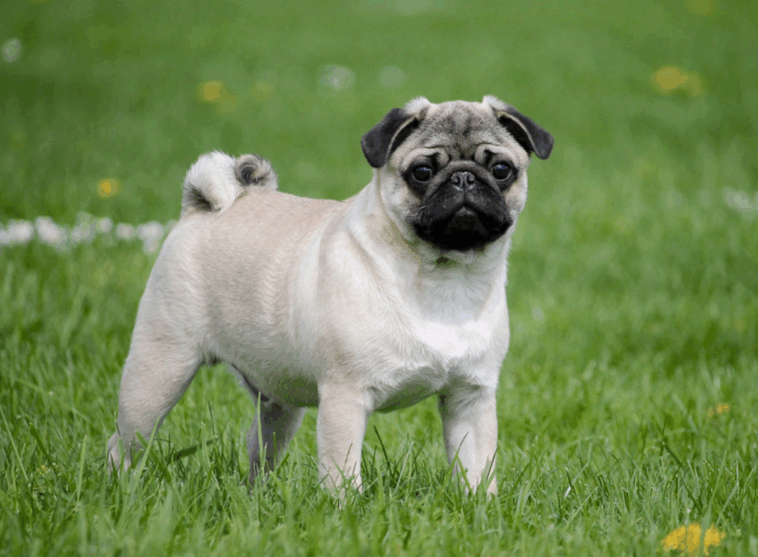
Pugs are cute, loving, and have personalities, and because of their strange makeup, they are prone to certain health complications. One of the most essential things to do to keep your furry friend healthy is a monthly Pug health checklist that is sure to prevent emergencies and keep the animal alive longer.
In this in-depth guide, we will take you through all the details on Pug health across the skin folds, breathing, eyes, weight, and so many more. Use this SEO optimized checklist to keep your Pug bronzed and use top-ranking content to drive increased traffic to your site.
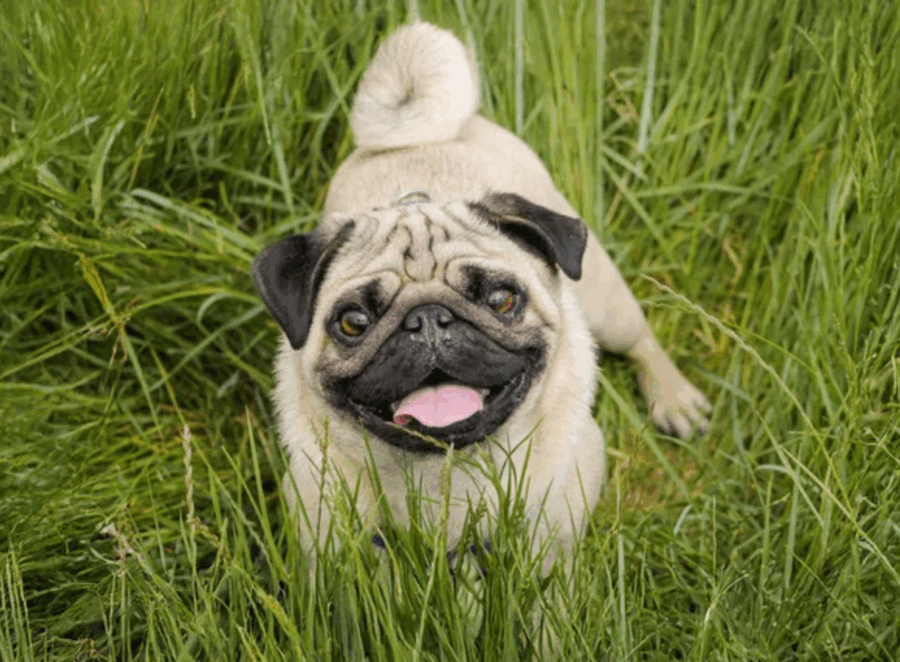
1. Skin & Wrinkle Care: Preventing Infections
Pugs are also renowned because of the wrinkles; however, these folds may block the moisture, which can cause infections.
Monthly Skin Check:
- Wipe down (use a clean, damp cloth and pet-safe wipe) + clean wrinkles, 2-3 times a week.
- Look for any redness, odor, or discharge (indicators of infection).
- Use vet/approved nipple balm to help prevent chafing.
- Seek allergies (itchy, rashes)
Pro Tip: Chlorhexidine wipes should be used to get deep cleaning.
2. Eye Health: Preventing Corneal Ulcers & Dry Eyes
Pugs have protrusive eyes and thus they are susceptible to injuries and drying.
Eye Check: Monthly:
- Look at it to identify redness, any cloudiness, or excessive tearing.
- Wash out with saline solution, in case of debris.
- Note dry eye (KCS)- sticky discharge must be looked at with a vet.
- Shave the facial hair to avert eye irritation.
Caution: No walking in the insides of tall grass–can get scratched and this gives an ulcer.
3. Breathing & Respiratory Monitoring
The pug breeds are prone to heart malfunctions or brachycephalic conformation, which makes them breathe with difficulty through short snouts.
Breathing Check: once a month:
Watch out for loud snoring or wheezing.
Do not make your dog get overheated (Pugs get overheated too soon).
A harness, as opposed to a collar, should be applied to alleviate pressure on the throat.
Look out, the blue gums (an emergency sign, lack of oxygen).
Important: A Pug should never be left in a hot car!
4. Weight Management: Preventing Obesity
Pugs adore eating and easily get chubby, which can lead to joint diseases and breathing.
Weigh Ins: weekly (monthly):
- Pug Weigh your Pug ideal weight (male/female): 14-18 lbs/ 13-16 lbs.
- Test ribs-you ought to find them without severe pressing.
- Reduce/increase diet when your pet becomes too heavy (check with vet).
- Cut back on & choose low-calorie snacks.
Optimal physical activity: Little walks + indoor games (damage the discretion).
5. Dental Hygiene: Preventing Tooth Decay
Crowded teeth in Pugs can cause bad breath as well as gum disease.
Dental Check every month:
- Use dog toothpaste to brush 3 times a week.
- Look out for plaque buildup or loose teeth.
- Give dental chews (VOHC-approved).
- Arrange for professional cleaning yearly.
Red Flag: Battling gums = nose trip to vet.
6. Ear Care: Preventing Infections
The floppy ears of pugs absorb moisture, which causes yeast/bacteria infections.
Ear Check Every Month:
- Noise (bad smell) (sign of infection).
- Swab with vet ear solution.
- Look at redness or, yeah, too much wax.
- Avoid cotton swabs (they can hurt the ears).
Normal Problem: Ear mites-Itching & black wad.
7. Paw & Nail Maintenance
Long nails are painful and result in improper posture.
Paw Check:Monthly:
- Clip nails once in 3-4 weeks.
- Look to see if there is a crack on the pads or something out of place.
- Rub paw balm in winter (cracking).
- Look at the limping (might be injuries).
TIP: The nails are too long when you hear clicking on the floors.
8. Joint & Mobility Check
Pugs are liable to hip dysplasia and arthritis.
Monthly Mobility check:
- Look out for stiffness or limping.
- Give dietary supplements (glucosamine).
- Get the help of orthopedic beds.
- Don’t jump too high (not good for the spine).
Older Pugs: Medical: Take vet-prescribed pain medications.
9. Behavior & Mental Health
Pugs are social animals and cannot bear to live in isolation, and they even experience anxiety when left alone.
Check of Behavior per month:
- Watch out for excessive licking/chewing (indication of stress).
- Guarantee exercise & mental play every day.
- Keep an eye out for abrupt aggravation (signals of pain).
- Stick to a schedule. Pugs like consistency.
Eliminate Boredom: Part-time games, puzzles, and little training.
10. Emergency Preparedness
Prepare yourself always for a health emergency.
Monthly Emergency Kit Inspect:
- Get a new vet contact/ pet insurance
- Stock up on hydrogen peroxide (for use in vet-approved poisoning incidents).
- You should keep a pet first aid kit.
- Know a nearby 24-hour emergency vet.
Life Saving Tip: Get dog CPR training.
Final Thoughts: Consistency is Key
The most effective measure of monitoring the health of your Pug is a monthly Pug health checklist that would help avoid the unnecessary costs of a vet visit and keep your Pug happy and healthy. Using this in-depth guide, you will prevent problems before they start and keep your pup healthy.
Looking up more Pug care information? You should bookmark this page & share it with other pug lovers!