Hamza Sajjad
Introduction: Why Pugs Shed So Much & How to Control It
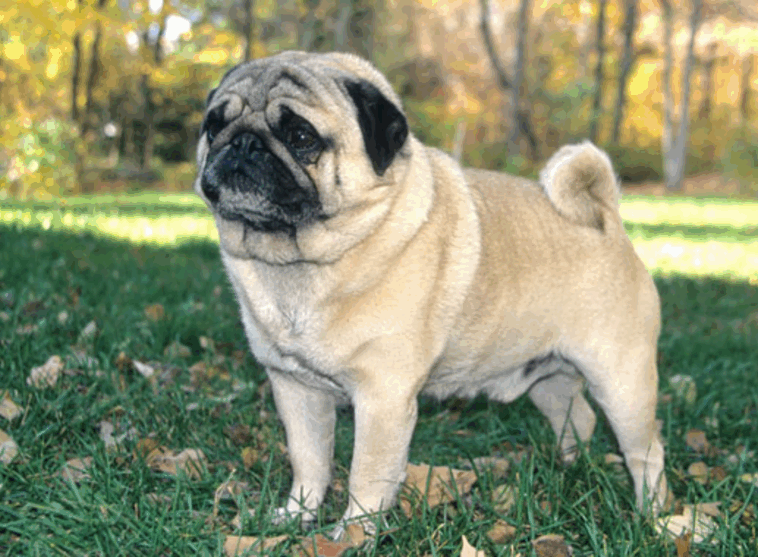
Pugs are cute, lovable pets, yet the amount of shedding could overwhelm their pet owners. Pugs lose their coats through year-long shedding, with major shedding occasioned by seasonal changes since they have a short double coat. To deal with this shedding, one must understand their coat, diet, grooming techniques of grooming and environmental conditions.
In this detailed article, we are going to look at the reasons why Pugs are excessive shedders, scientific ways of minimizing shedding, and universal grooming tricks to ensure your house does not turn into a fur trap. These tips are from experts and will help your Pug shed less and have a healthy coat, whether you have just obtained a new puppy or have owned pets over the years.
Why Do Pugs Shed So Much? (The Science Behind It)
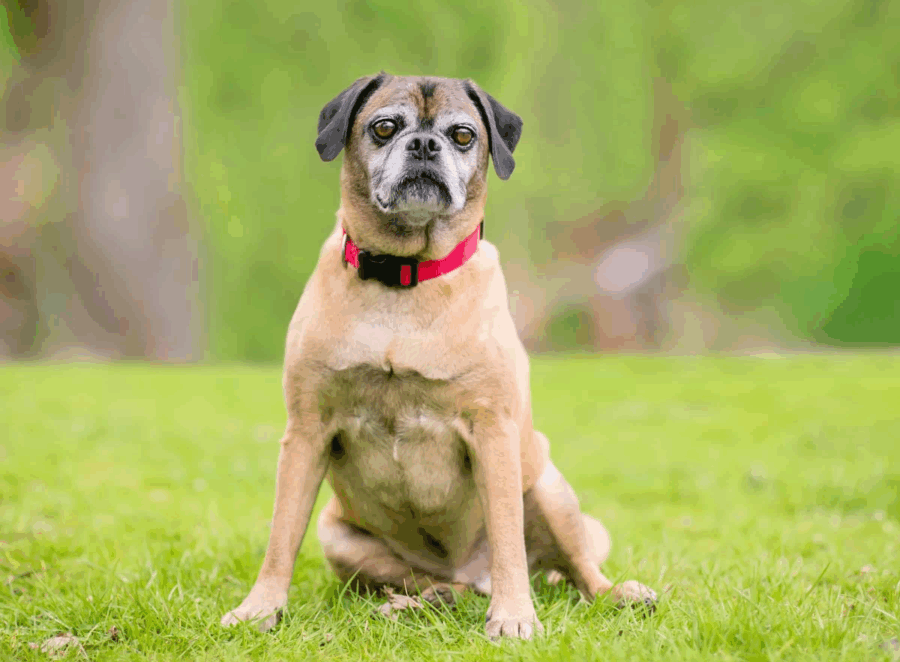
The pugs have a double coat that can provide the elimination of body heat through two types of coats: the soft undercoating and the coarse topcoat. But on the other hand, that also covers more loose fur. The main reasons that lead to too much shedding are:
- Genetics: As a breed, pugs shed a lot.
- Seasonal Moulting: Twice yearly (spring & fall), they blow their coat.
- Poor Diet: The deficiency of omega fatty acids results in dry skin and excessive hair loss.
- Allergies & Skin Conditions, or Food or environmental allergies, exacerbate shedding.
- Stress & Hormonal Changes: Stress or hair can bring on excessive fur loss due to anxiety, pregnancy, or illness.
Knowledge of these causes is useful in the area of selective shedding control.
Best Grooming Techniques to Reduce Pug Shedding
1. Brushing: Best Defense Against Loose Fur
- Brush/ comb with a de-shedding tool (similar to Furminator) 2-3 times/week.
- Looking after brushes, Slicker brushes assist in the removal of the dead undercoat.
- Rubber grooming gloves are nice to use in touch-ups.
2. Bathing: Frequency & the type of Products to apply
- Wash your Pug every month using an oatmeal or hypoallergenic shampoo.
- Do not bathe several times–it removes the natural oils in the skin, thus making one shed more.
- Omega-3 conditioners serve to make the skin moist.
3. Professional Grooming & De-Shedding Treatments
- Once every 6-8 weeks, see a groomer and do a deep de-shed.
- Dryers that are high-velocity assist in blowing loose fur.
Diet & Nutrition: The Secret to a Healthy Coat
An unhealthy diet is one of the leading factors of over-shedding. This is how you can optimize the nutrition of your Pug:
Quality protein (chicken, salmon, lamb) enhances the growth of hair.
Omega-3 & Omega-6 fatty acids (fish oil, flaxseed) decrease shedding.
Vitamins A and E contain vitamins that help in skin health (they are found in carrots and spinach).
To avoid dry skin, the most common mistake is hydration- fresh water should always be supplied.
Avoid such fillers as corn, wheat, and soy, as they will cause allergies and shedding.
Ingredients Supreme to Ease Shedding
- Capsules of fish oil (high in EPA & DHA)
- Coconut oil (1 tsp a day makes the coat shiny)
- Biotin supplements make the hair follicles strong
Environmental & Lifestyle Factors Affecting Shedding
1. Humidity & Air
- Dry, low-humidity air—use a humidifier in the winter.
- Air purifiers remove allergy-causing allergens, which cause over-shedding.
2. Stress Management
- Anxiety causes more shedding— give the mind occupations & comfort.
- Regular exercise helps lessen stress levels.
3. Allergy Control
- Hypoallergenic beds track out your skin irritation.
- Fur buildup in your home is cut back by vacuuming regularly.
When to See a Vet: Excessive Shedding Could Signal Health Issues
Though Pugs do shed naturally, sudden hair loss or bald areas could be signs of:
- Flea infestations.
- Thyroid disorders.
- Cushing’s disease.
- Fungal infection (ringworm).
Should shedding be accompanied by redness, itchiness, or creases in your nose, a vet must check right away.
Final Tips to Keep Your Home Fur-Free
- Use a pet hair-specific vacuum and vacuum daily.
- Apply furniture and clothes with lint rollers.
- Launder beddings once a week as a way of regulating the accumulation of fur.
- Brush outside as far as possible to reduce the fur house.
Conclusion: Mastering Pug Shedding for a Happier Home
It’s not about stopping Pugs shedding, it’s about controlling it. Through using proper grooming, feeding, and environmental change, you can dramatically lessen loose hair and keep your Pug’s coat healthy.
Try these tips today, and stay at home and have a cleaner home and a happier, healthier Pug!