Hamza Sajjad
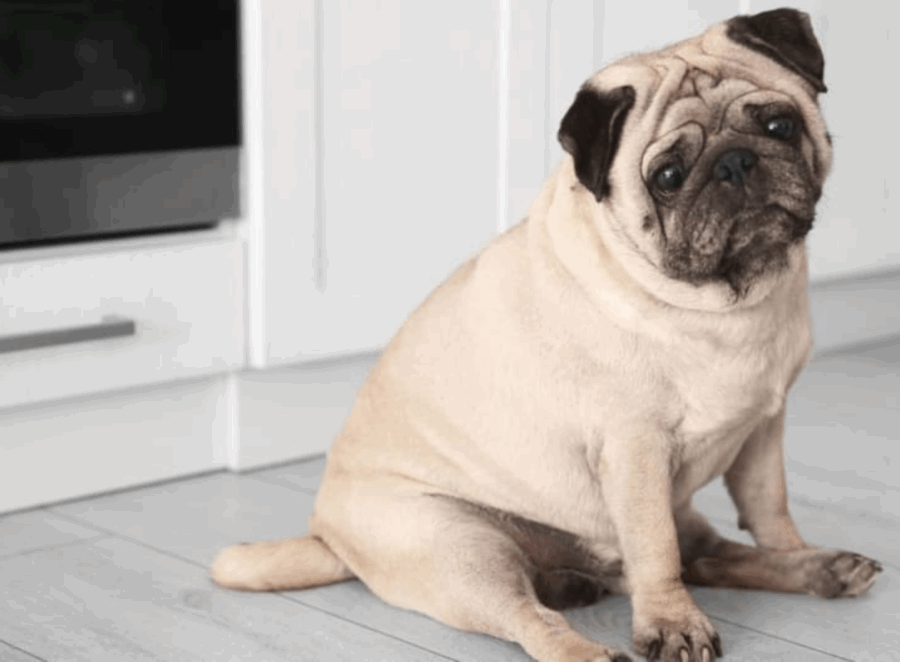
Introduction: Understanding Hip Dysplasia in Aging Pugs
Hip dysplasia is a common yet debilitating condition affecting older Pugs, leading to pain, mobility issues, and a decreased quality of life. As a responsible pet owner, understanding how to manage this condition effectively can significantly improve your Pug’s comfort and longevity.
This in-depth guide covers everything you need to know about hip dysplasia in senior Pugs—from causes and symptoms to treatment options, home care, and preventive measures. By the end, you’ll be equipped with expert-backed strategies to help your furry friend live a happier, more comfortable life.
What Is Hip Dysplasia in Pugs?
Hip dysplasia is a genetic and developmental orthopedic disorder where the hip joint fails to form correctly, leading to instability, inflammation, and eventual arthritis. While it often starts in younger dogs, symptoms typically worsen with age, making older Pugs particularly vulnerable.
Why Are Pugs Prone to Hip Dysplasia?
-
Breed Predisposition: Pugs have a compact body structure with short legs, increasing stress on their hip joints.
-
Genetic Factors: Hereditary traits play a significant role in joint malformation.
-
Weight Issues: Obesity exacerbates joint pressure, accelerating degeneration.
-
Low Activity Levels: Lack of muscle support around joints worsens instability.
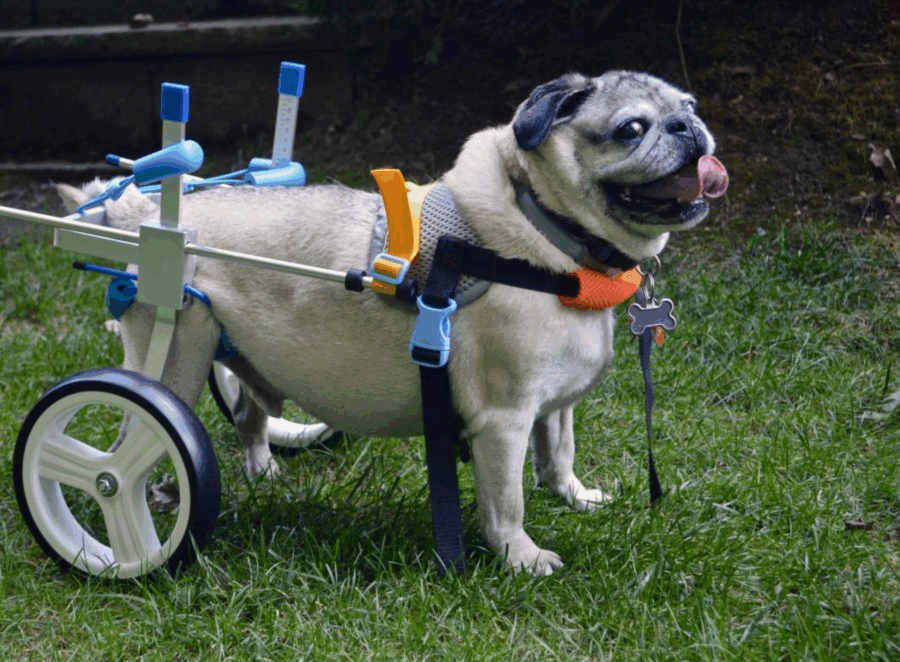
Signs and Symptoms of Hip Dysplasia in Older Pugs
Early detection is crucial for managing hip dysplasia. Watch for these key symptoms:
1. Mobility Issues
-
Difficulty standing up or climbing stairs
-
Bunny-hopping gait (using both hind legs simultaneously)
-
Reluctance to jump or run
2. Pain Indicators
-
Whimpering or yelping when moving
-
Licking or biting the hip area
-
Stiffness after rest
3. Behavioral Changes
-
Decreased interest in play
-
Irritability or aggression due to discomfort
-
Sleeping more than usual
If you notice these signs, consult a veterinarian immediately for a proper diagnosis.
Diagnosing Hip Dysplasia in Senior Pugs
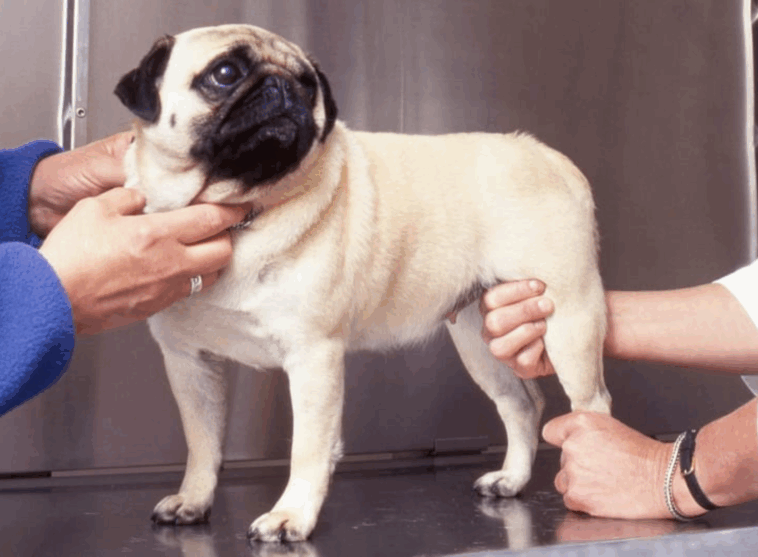
A vet will use a combination of:
-
Physical Examination: Checking for pain, range of motion, and joint looseness.
-
X-rays (Radiography): Confirming misalignment or arthritis in the hip joint.
-
Blood Tests: Ruling out other conditions like infections or autoimmune disorders.
Early diagnosis allows for better long-term management.
Treatment Options for Hip Dysplasia in Older Pugs
While there is no cure, multiple strategies can alleviate pain and improve mobility.
1. Medical Treatments
-
NSAIDs (Non-Steroidal Anti-Inflammatory Drugs): Reduce pain and swelling (e.g., Carprofen, Meloxicam).
-
Joint Supplements: Glucosamine, Chondroitin, and MSM support cartilage health.
-
Steroid Injections: For severe inflammation (used cautiously due to side effects).
2. Surgical Interventions (For Severe Cases)
-
Femoral Head Ostectomy (FHO): Removes the femoral head to reduce pain.
-
Total Hip Replacement (THR): Best for advanced dysplasia but costly.
3. Alternative Therapies
-
Acupuncture: Stimulates pain relief and muscle relaxation.
-
Laser Therapy: Reduces inflammation and promotes healing.
-
Hydrotherapy: Low-impact swimming strengthens muscles without joint strain.
Home Care and Lifestyle Adjustments for Pugs with Hip Dysplasia
1. Weight Management
-
Obesity worsens hip stress—keep your Pug at a healthy weight with a balanced diet.
-
Consult your vet for a weight-loss plan if needed.
2. Exercise Modifications
-
Short, frequent walks (avoid long, strenuous activity).
-
Soft surfaces (grass or carpet) reduce joint impact.
-
Avoid stairs and jumping to prevent further damage.
3. Comfortable Living Environment
-
Orthopedic dog beds provide joint support.
-
Ramps or steps help your Pug access furniture safely.
-
Non-slip rugs prevent falls on slippery floors.
4. Physical Therapy & Massage
-
Gentle massages improve circulation and reduce stiffness.
-
Passive range-of-motion exercises maintain flexibility.
Preventing Hip Dysplasia in Pugs
While genetics play a role, proactive measures can delay or minimize symptoms:
-
Buy from Reputable Breeders: Ensure parents are hip dysplasia-free.
-
Puppy Nutrition: Feed a high-quality diet to support bone development.
-
Controlled Exercise: Avoid excessive jumping in young Pugs.
-
Regular Vet Checkups: Early detection helps manage progression.
Final Thoughts: Enhancing Your Pug’s Quality of Life
Hip dysplasia in older Pugs is manageable with the right approach. By combining medical treatments, lifestyle changes, and preventive care, you can help your beloved pet stay active and pain-free for years.
Act now—schedule a vet visit if your Pug shows symptoms, and implement these strategies to boost their mobility and happiness!