Hamza Sajjad
Introduction: Understanding Anxiety in Pugs
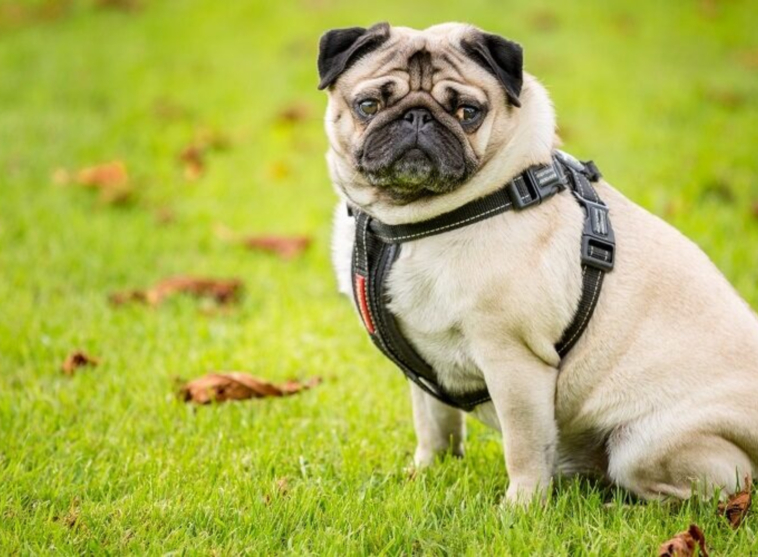
Pugs, with their expressive eyes and affectionate nature, are prone to anxiety due to their sensitive temperament. Whether triggered by separation, loud noises, or unfamiliar environments, anxiety can significantly impact their well-being. While medication is an option, many pet owners prefer natural, drug-free solutions to manage their Pug’s stress.
This comprehensive guide explores proven, non-medical strategies to alleviate anxiety in Pugs, ensuring a happier, calmer companion. From behavioral training to environmental adjustments, we cover every aspect to help your Pug thrive without relying on pharmaceuticals.
Why Do Pugs Experience Anxiety?
Before diving into solutions, it’s crucial to understand the root causes of anxiety in Pugs:
-
Separation Anxiety – Pugs are highly social and can become distressed when left alone.
-
Noise Phobia – Thunderstorms, fireworks, or loud noises can trigger panic.
-
Past Trauma – Rescue Pugs may have lingering fears from previous experiences.
-
Lack of Routine – Sudden changes in schedule can unsettle them.
-
Health Issues – Pain or discomfort may manifest as anxiety.
Recognizing these triggers is the first step in managing your Pug’s stress effectively.
Natural Ways to Reduce Anxiety in Pugs
1. Establish a Consistent Routine
Pugs thrive on predictability. A structured daily schedule for feeding, walks, and playtime provides security.
-
Fixed meal times
-
Regular exercise (short walks to prevent overexertion)
-
Designated nap and play periods
2. Create a Safe, Calming Environment
Your Pug’s surroundings play a critical role in anxiety management.
-
Provide a Cozy Den – Use a crate with soft bedding where they can retreat.
-
Calming Scents – Lavender or chamomile diffusers can relax nervous Pugs.
-
Soundproofing – White noise machines or calming music (e.g., classical) can mask distressing sounds.
3. Behavioral Training & Desensitization
Training helps Pugs build confidence and cope with stressors.
-
Positive Reinforcement – Reward calm behavior with treats and praise.
-
Gradual Exposure – Slowly introduce anxiety triggers (e.g., short departures) to reduce fear.
-
Interactive Toys – Puzzle feeders keep them mentally stimulated and distracted.
4. Physical & Mental Stimulation
A bored Pug is more prone to anxiety.
-
Short, Frequent Walks – Prevents pent-up energy.
-
Obedience Training – Strengthens the bond and provides mental exercise.
-
Snuffle Mats & Chew Toys – Redirect nervous energy into productive activities.
5. Natural Supplements & Remedies
While avoiding medication, some herbal and natural aids can help:
-
CBD Oil (Non-THC) – Shown to reduce anxiety in dogs.
-
Chamomile & Valerian Root – Natural relaxants (consult a vet first).
-
Adaptil Diffusers – Mimics calming pheromones.
6. Massage & Physical Comfort
Touch therapy can lower stress hormones in Pugs.
-
Gentle Ear & Paw Massages – Releases endorphins.
-
Thundershirts – Swaddling provides deep-pressure comfort.
7. Socialization & Companionship
Pugs are pack animals—loneliness worsens anxiety.
-
Doggy Playdates – Interaction with calm dogs builds confidence.
-
Avoid Long Isolation – Consider a pet sitter or doggy daycare if you’re away often.
When to Seek Professional Help
While natural methods work for most Pugs, severe anxiety may require expert intervention:
-
Persistent destructive behavior (chewing, excessive barking)
-
Self-harm (licking sores, pulling fur)
-
Aggression or extreme fear responses
A veterinary behaviorist can tailor a plan without immediately resorting to medication.
Final Thoughts: A Happier, Calmer Pug
Managing anxiety in Pugs without medication is entirely possible with patience and the right approach. By combining routine, training, natural remedies, and environmental adjustments, you can help your Pug feel secure and content.
Key Takeaways:
✔ Stick to a predictable schedule
✔ Use calming tools like Thundershirts and pheromone diffusers
✔ Engage in positive reinforcement training
✔ Provide mental and physical stimulation
✔ Consider natural supplements under vet guidance
By implementing these strategies, you’ll not only reduce your Pug’s anxiety but also strengthen your bond for years to come.