Dr. Huzaifa Shayan (Veterinarian/ Deep Researcher)
Luxating Patella in Pugs: Guide to Symptoms, Causes and Treatment
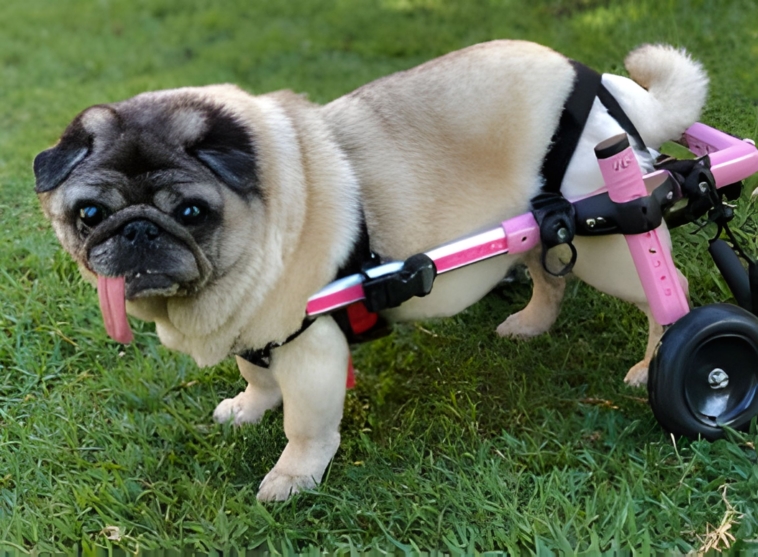
Your pug is walking on three legs when he takes his walks, and abruptly misses steps, as though he had one leg in a cast. In a few seconds they are back to the normal state and are running about as though nothing had occurred. You may think it is a temporary cramp or some small mishap but what you are seeing is what may be patellar luxation- one of the most frequent orthopedic issues of pugs.
The prevalence rate of luxating patella in pugs is about 20-30 percent in their lifetime. This is a disease in which the kneecap (patella) moves out of the normal groove resulting in pain, movement difficulties and in severe cases, arthritis. Knowing this condition contributes to you realizing the warning signs early in life and making a wise decision on how to treat it before it can be permanently damaged.
What Is Luxating Patella?
Understanding the Anatomy
Patella is a tiny bone attached in the tendon which has the connection between the thigh muscles and the lower leg. In normal dogs, the patella is held in a groove (trochlear groove) within the femur which slides easily up and down with the flexion and extension of the leg.
Normal Function:
- Within the femoral groove Patella slides.
- Serves as a pulley in extending the legs.
- Protects the knee joint
- Allows free and painless movement.
In case of luxating patella, the kneecap slips out of this groove and either it is inward-facing (medial luxation, which is common in pugs) or is outward-facing (lateral luxation).
Severity Grading System
Veterinarians use a 4 point scale to classify the luxating patella pug cases:
Grade-I (Mild):
- One can move patella by hand but it goes back.
- Minimal symptoms
- Dog shows no lameness
- Can be found when taking routine exams.
Grade-II (Moderate):
- Occasionally, the patient has patella luxates during movement.
- Returns spontaneously
- Occasional clumsiness or jumping.
- Grade of greatest diagnosis.
Grade-III (Severe):
- Patella luxates frequently
- Poses out of position greater part of time.
- Manually replaceable, but is easily re-luxed.
- Continuous lameness and change in the gait.
Grade-IV (Very Severe):
- Definitely a displacement of patella.
- Lacks only in the automatic position.
- Severe lameness
- Major deformity of the joints.
The reasons why pugs are susceptible to patellar luxation
Genetic Predisposition
A number of anatomical characteristics are inherited by pugs which predispose them to luxating patella:
Skeletal Structure Issues:
- Superficial trochlear grooves that offer poor patella stability.
- Bowed legs (common in pugs)
- Deviant hip and femur angulation.
- Weak ligament structures
- Deformed parts of knee joints.
Contributing Factors
Body Structure:
- Short, squat in stature, short leggings.
- Anorexia nervosa: Relatively high body weight as compared to the size of the legs.
- Underdeveloped muscles to support the joints.
- Unproportionate skeletal development.
Higher-weight:
- Knee joints are strained with excessive weight.
- Shows up fast cartilage degeneration.
- Worsens luxation severity
- Makes surgical results difficult.
Identification of Signs of Luxating Patella
Early Symptoms
Early detection of problems is an enhancement to the success of treatment:
Intermittent Lameness:
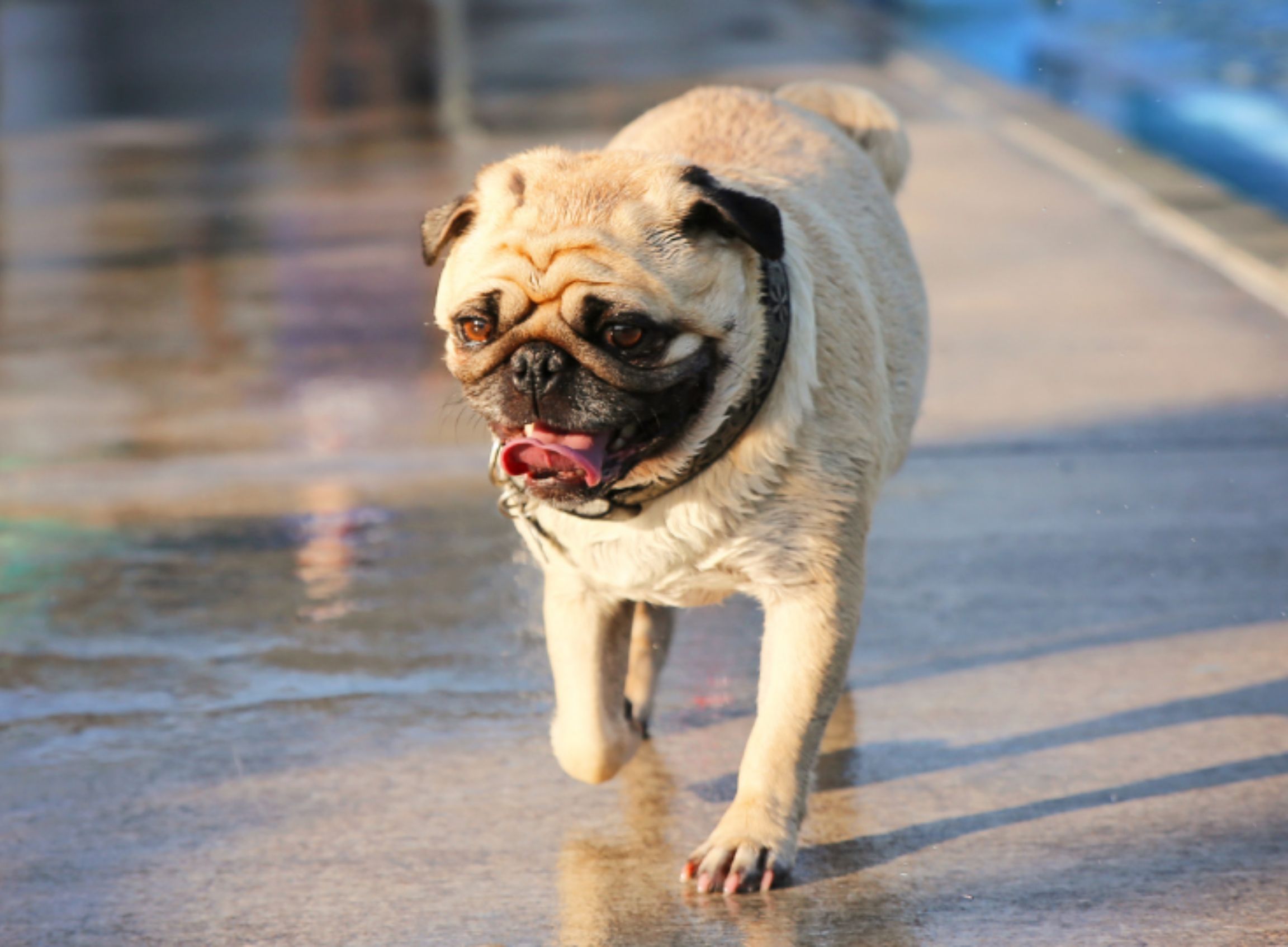
- Hopping now and then on three legs.
- Lifting leg in short steps and then putting back to normal.
- “Skipping” gait during walks
- More prominent following rest, or at the beginning of the morning.
Behavioral Changes:
- Tremendous fear to climb on furniture.
- Avoiding stairs
- Decreased activity levels
- Hesitation during play
Progressive Signs
With the increase in the severity of patellar luxation, the manifestation becomes more conspicuous:
Physical Indicators:
- Ulcer frequency: lifting or carrying of legs (Prior to surgery).
- Knee-pop/ audible clicking/ popping.
- Increasing bowlegged that is visible.
- Atrophy of the leg muscles.
- Stiffness after exercise
Pain Manifestations:
- Cries or whimper upon extension of the legs.
- Licking /biting of knee area.
- Response of aggression when leg is touched.
- Unwilling to walk or exercise.
Advanced Complications
Secondary problems that are caused by untreated luxating patella are severe:
- The development of chronic arthritis.
- Permanent cartilage damage
- Tears of the ligaments(cruciate ligament rupture)
- The inability to have a functional joint.
- Perennial pain with regards to quality of life.
Diagnosis and veterinary Examination
Physical Examination
The diagnosis of luxating patella in veterinarians is done by:
Manual Assessment:
- Flexion and extension of leg palpating patella.
- Ankle examination of patella mobility and stability.
- Noticing walking impairments.
- Measurement of the muscle mass and symmetry.
Orthopedic Examination:
- Clavicle palpation (crepitus should be absent).
- Evaluating range of motion
- Testing for pain responses
- Inspection of ankle and hip joints.
Diagnostic Imaging
Radiographs (X-rays):
- Confirm patella position
- Assess bone deformities
- Assess the level of arthritis.
- Examine in combination hip dysplasia.
Advanced Imaging:
- Surgical planning CT scans.
- MRI in soft tissue examination.
- Ligament examination through ultrasound.
Options of treating Luxating Patella
Conservative Management
In Grade I and a few cases of Grade II, non-surgery can be used:
Weight Management:
- Attain and sustain normal body weight.
- Reduce joint stress
- Slow progression
- Improve mobility
Physical Therapy:
- Bearing up exercises to strengthen muscles.
- Range of motion activities
- Swimming or hydrotherapy
- Controlled leash walks
Supplements and Intravenous Drugs:
- Joint supplements (glucosamine, chondroitin)
- Omega-3 fatty acids
- Pain-relief by Non-steroidal anti-inflammatory drugs (NSAIDs).
- Disease-modifying osteoarthritis medications (DMOADs).
Surgical Correction
Surgery is normally necessary in Grade III and IV luxating patella:
Common Surgical Procedures:
Trochlear Groove Deepening:
- Reshapes femoral groove
- It is a superior patella tracking.
- Prevents recurrence
Tibial Tuberosity Transposition:
- Point of tension of tendons.
- Realigns pulling force
- Most common procedure
Lateral Imbrication:
- Contracts joint capsule on one hand.
- Prevents the lateral displacement.
- Most frequently used together with other methods.
Corrective Osteotomy:
- Straightens deformed bones
- Indications in serious skeletal defects.
- More complex procedure
Surgery Recovery Timeline
In the Post-Operative (0-2 Weeks):
- Strict rest and confinement
- This includes pain medication administration.
- Wound care and monitoring
- No stairs or jumping
Early Recovery (2-6 Weeks):
- Short and on short leash walks.
- Physical therapy begins
- Gradual activity increases
- Follow-up radiographs
Late Recovery (6-12 Weeks):
- Progressive exercise
- Muscle rebuilding
- Return to normal activities
- Last check-up with the physician.
Common Mistakes Owners Make
Neglecting Early Symptoms:
- Treating Grade I as non-harmful makes the Grade I cases proceed to Grade II or III and undergo unnecessary surgery.
Over-Training After Diagnosis:
- The intensive activities such as jumping, running on hard surfaces or playing with big dogs enhance cartilage destruction and exacerbate luxation.
Postponing Surgery in Advanced Cases:
- Delay in Grade III or IV luxation leads to irreversible arthritis and atrophy in the muscle making surgery less successful.
Allowing Obesity:
- The most manageable risk factor is the extra weight. Being higher-weight by 2-3 pounds on a pug has a huge effect on the stress of the joints and the rate at which they are advanced.
Inadequate Restriction after surgery:
- Excessivity in the process of a recovery leads to failure in surgical repair which necessitates revision surgery and prolonged rehabilitation.
Tips of Dealing with Luxating Patella Pugs
- Bring on joint supplements at an early age: Immediately one is diagnosed with it, commence glucosamine and chondroitin supplementation even in Grade I, to prevent cartilage degeneration.
- Use ramps and steps: Make furniture and beds accessible to pets by providing pet stairs or ramps so that they do not need to jump to access those items, which puts strain on the knee joints.
- Control exercise surfaces: Use grass or sand roads instead of the pavement. Floors should not be slippery and lead to sudden movements of legs and luxation.
- Build muscle strategically: Without stress on the joints, exercises done in swimming and underwater treadmills improve the strength of the supporting muscles.
- Monitor both legs: In case of luxating patella in one leg, observe the other leg- half of pugs will be bilateral (both legs) within 2 years.
- Maintain detailed records: The rate of document luxation, the length of the luxation, and the situation to avert so that your veterinarian will be able to trace the progression and decide whether the treatment should be delivered or not.
Luxating patella frequently asked questions
Q-1: Will luxating patella resolve itself?
No. Abnormalities of the anatomy that lead to patellar luxation do not self resolve. Grade I cases can be left to the management without progress and the structural issue remains. In the Grades II and above, the condition usually deteriorates with time and does not require surgical intervention.
Q-2: What is the success rate of luxating patella surgery in pugs?
General success rates are between 85-95% on the level of suitable surgical patients. Grade II and III are the most successful. The success rates of grade IV cases are lower (70-80) because there is severe deformity and advanced arthritis.
Q-3: What is the cost of a luxating patella operation?
The prices fluctuate according to the place and the severity, which usually is between $1500-4000 per leg. Difficult cases that involve several surgeries or revision surgeries can cost between $3,000 and 6000. Luxactating patella is usually covered by pet insurance when it is enrolled prior to the onset of the symptoms.
Q-4: Does my pug have a chance of getting arthritis after surgery?
It is probable that certain development of arthritis will transpire particularly where there were long durations of luxation, which preceded surgery. Nevertheless surgery tremendously reduces the rate of arthritis development as opposed to luxation without surgery. The damage to the joints is reduced in the long run by early intervention and weight management.
Q-5: There is luxating patella in my pugs, should I breed them?
No. Luxating patella contains high hereditary factors. Conscientious breeders do not breed breeding dogs having such structural anomalies to prevent the transmission of these structural anomalies to their breeds. Spaying and neutering pugs with this genetic condition is done to decrease the occurrence of this genetic disorder.
How to keep Your Pug Mobile
Luxating patella is a severe and Treatable bone and joint condition disease in pugs. The mobility and good life of your dog is preserved by early identification of symptoms, timely Animal medical care, and subsequent treatment in the form of either conservative or surgical interventions.
By being aware, attentive and determined that you will take your pug through every treatment option available to ensure that your pug will move through its life without any pain. A diagnosis and treatment, be it lifestyle change or surgery, costs less than years of discomfort and loss of the active and playful character that has made pugs such popular pets.