Hamza Sajjad
Interesting Facts You Didn’t Know About Pugs: A Deep Dive Into Their History, Traits & Quirks
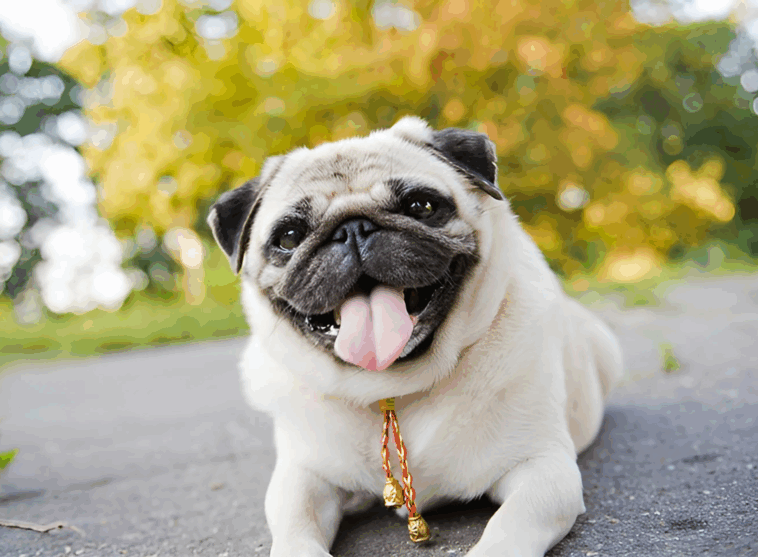
Interesting Facts You Didn’t Know About Pugs. Pugs are one of the most beloved dog breeds in the world, known for their wrinkled faces, expressive eyes, and charming personalities. But beyond their adorable looks, pugs have a fascinating history, unique biological traits, and surprising behaviors that many owners don’t know.
In this comprehensive guide, we’ll explore little-known facts about pugs, their ancient origins, health considerations, and why they’ve become such popular companions. Whether you’re a pug owner, a dog enthusiast, or just curious, this article will give you deep insights into this iconic breed.
The Ancient & Royal History of Pugs
Pugs Originated in China Over 2,000 Years Ago
Pugs are one of the oldest dog breeds, with roots tracing back to imperial China during the Han Dynasty (206 BCE–220 CE). They were bred as companion dogs for Chinese emperors and lived in luxury, often guarded by soldiers.
They Were Favored by European Royalty
Pugs made their way to Europe in the 16th century via Dutch traders. They became royal favorites, especially in:
-
The House of Orange (Netherlands) – A pug saved Prince William’s life by barking at assassins.
-
Napoleon’s Court – Josephine Bonaparte’s pug carried secret messages.
-
Queen Victoria’s Palace – She bred pugs and popularized the breed in England.
The Name “Pug” Has Mysterious Origins
Some theories suggest the name comes from:
-
The Latin word “pugnus” (meaning fist, referencing their face shape).
-
The 18th-century term “pug” for mischievous monkeys, due to their playful nature.
Unique Physical Traits of Pugs
Their Wrinkles Served a Purpose
The deep wrinkles on a pug’s face weren’t just for looks—they were believed to form the Chinese character for “prince” (王). However, these folds require regular cleaning to prevent infections.
Pugs Have a Distinctive Curled Tail
Their signature “double curl” tail is a breed standard. In ancient times, a tighter curl was considered a sign of strong bloodline purity.
They Are a Brachycephalic Breed
Pugs have short snouts, which cause:
-
Breathing difficulties (snoring, overheating).
-
Higher risk in hot weather (always keep them cool!).
-
Dental crowding (requiring frequent vet check-ups).
Pug Personality & Quirks
Pugs Are Extremely Social & Clingy
Known as “shadows”, pugs follow their owners everywhere. They suffer from separation anxiety if left alone too long.
They’re Natural Comedians
Pugs are goofy, expressive, and love attention. Their antics—like head tilts, zoomies, and dramatic sighs—make them viral stars.
Pugs Snore, Grunt, and “Talk”
Due to their flat faces, pugs are loud sleepers. Some even make grunting noises when excited—a behavior called “reverse sneezing.”
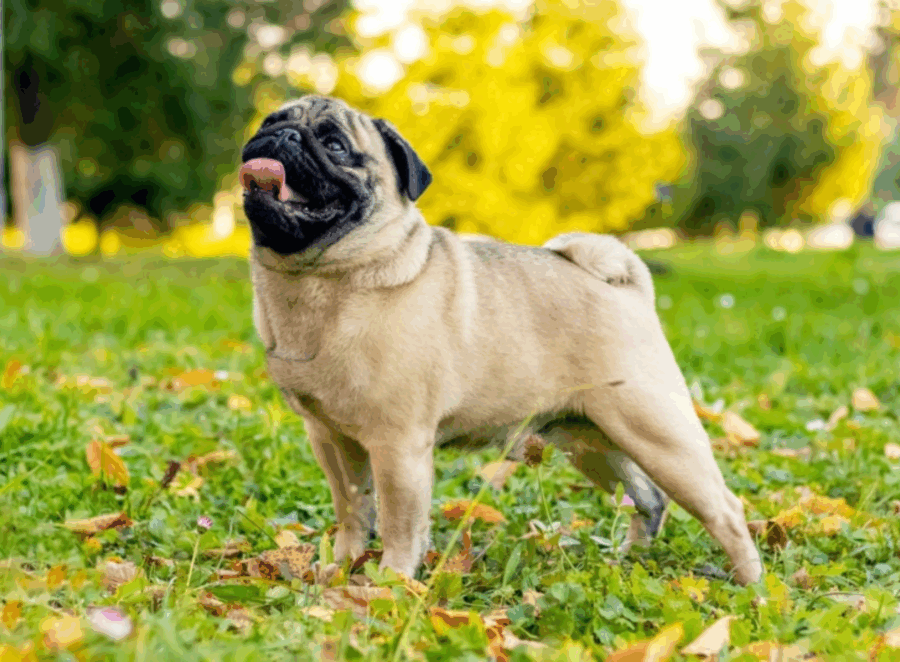
Health Facts Every Pug Owner Should Know
Pugs Are Prone to Obesity
Their love for food makes them overeat easily. A balanced diet and exercise are crucial to prevent joint issues.
They Have Sensitive Eyes
Their bulging eyes are prone to injuries (like corneal ulcers). Always monitor playtime with other pets.
Spinal Issues (Hemivertebrae)
Some pugs are born with misshapen vertebrae, leading to mobility problems. Regular vet scans help detect early signs.
Why Pugs Remain One of the Most Popular Breeds
-
Great for Apartments – Their small size and low exercise needs suit urban living.
-
Family-Friendly – Pugs are gentle with kids and get along with other pets.
-
Internet Fame – From Doug the Pug to Memes, pugs dominate social media.