Dr. Huzaifa Shayan (Veterinarian/ Deep Researcher)
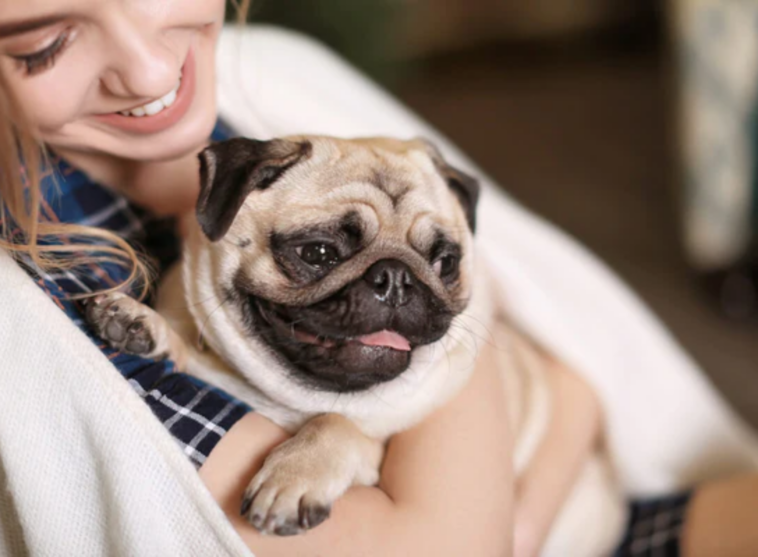
Are Pugs Hypoallergenic? Facts, Myths, and Care Tips
You have always been wanting to have that cute and wrinkly-faced pug into your house but you have one problem that is preventing you, your allergies. Will you be sneezing and scratching your eyes and make life with a pug impossible?
Let us jump to the point you are asking about, pugs are not hypoallergetic. Hypoallergenic pugs do not exist, as some breeders will be willing to assure you. The lovable dogs are heavy shedders of fur and they also produce the same proteins that cause allergic reactions in sensitive individuals.
But the knowledge of the pug allergies reality does not imply that you have to go out on your dreams completely. However, some allergy victims live with their lovely friends successfully with appropriate knowledge and tactics.
The Probable Cause of Pugs Becoming an allergen
Allergies are mostly blamed on dog hair but that is not all. The actual precipitating factors are proteins in:
- Dander (dead skin flakes)
- Saliva
- Urine
These proteins adhere to hairs of the pugs when they shed and are carried to the air. You breathe them in or they are deposited on your skin and that makes your immune system over react and you sneeze, have watery eyes, are congested, and your skin is irritated.
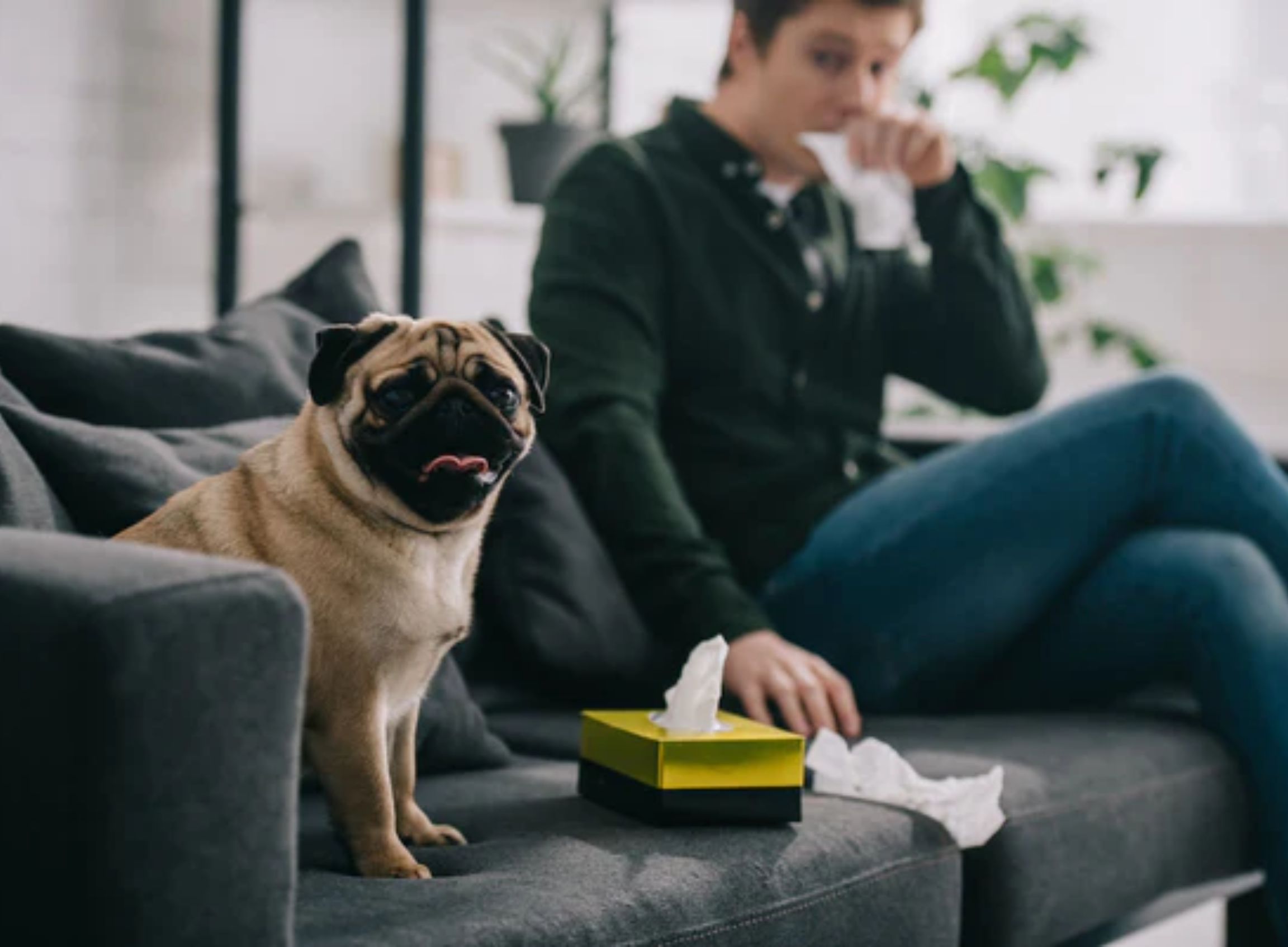
What is So problematic about Pug Dog Allergies
Pugs are a combination of various factors that increase the symptoms of allergies:
Year-Round Shedding
The shedding of pugs does not occur seasonally, but at all times. Their double coat sheds off small hairs that spread dander everywhere in your house- your couch, carpets, clothes and even your car.
Facial Wrinkles
Those cute skin folds trap moisture, bacteria as well as allergens. As these wrinkles remain unwashed on a daily basis, they are invaded by more dander and saliva deposits.
Brachycephalic Features
Pugs possess flat faces which make them have problems breathing. They sneeze and wheeze and drool more than other breeds, and can spray saliva based allergens throughout your house.
The Myth Of Hypoallergenic Pugs Breeds
The following fact may come as a surprise: the national origin of dogs is not entirely hypoallergenic pugs. Such breeds as Poodles or Bichon Frises receive that label because they:
- Shed minimally
- Produce less dander
- Have hair instead of fur
Pugs don’t fit this profile. Their small forms produce large volumes of fur as well as standard quantities of allergenic proteins. Even hypoallergenic pugs mix breeds are not guaranteed as genetics are random, and a puppy may inherit the excessively shedding pugness.
Pugs and Allergies Life Management
In case you are so much determined to live with pug, despite the sensitivities, the following are practical means of reducing your exposure:
Environmental Controls
Establish No-Go Zones
- Make your bedroom a place that is absolutely off your pugs.
- You sleep there a whole night 8 hours.
- This forms an allergen free recovery haven.
Upgrade Your Air Quality
- Put HEPA air filters in the large rooms.
- Replace HVAC filters on a monthly basis (merge 11 or more)
- To avoid the development of allergens run ceiling fans.
Minimize Fabric Surfaces
- Select leather furniture in place of upholstered furniture.
- Eliminate bulky curtain and flooring.
- Hard floors are simply cleaned as compared to carpeting.
Strategies of Grooming that Work
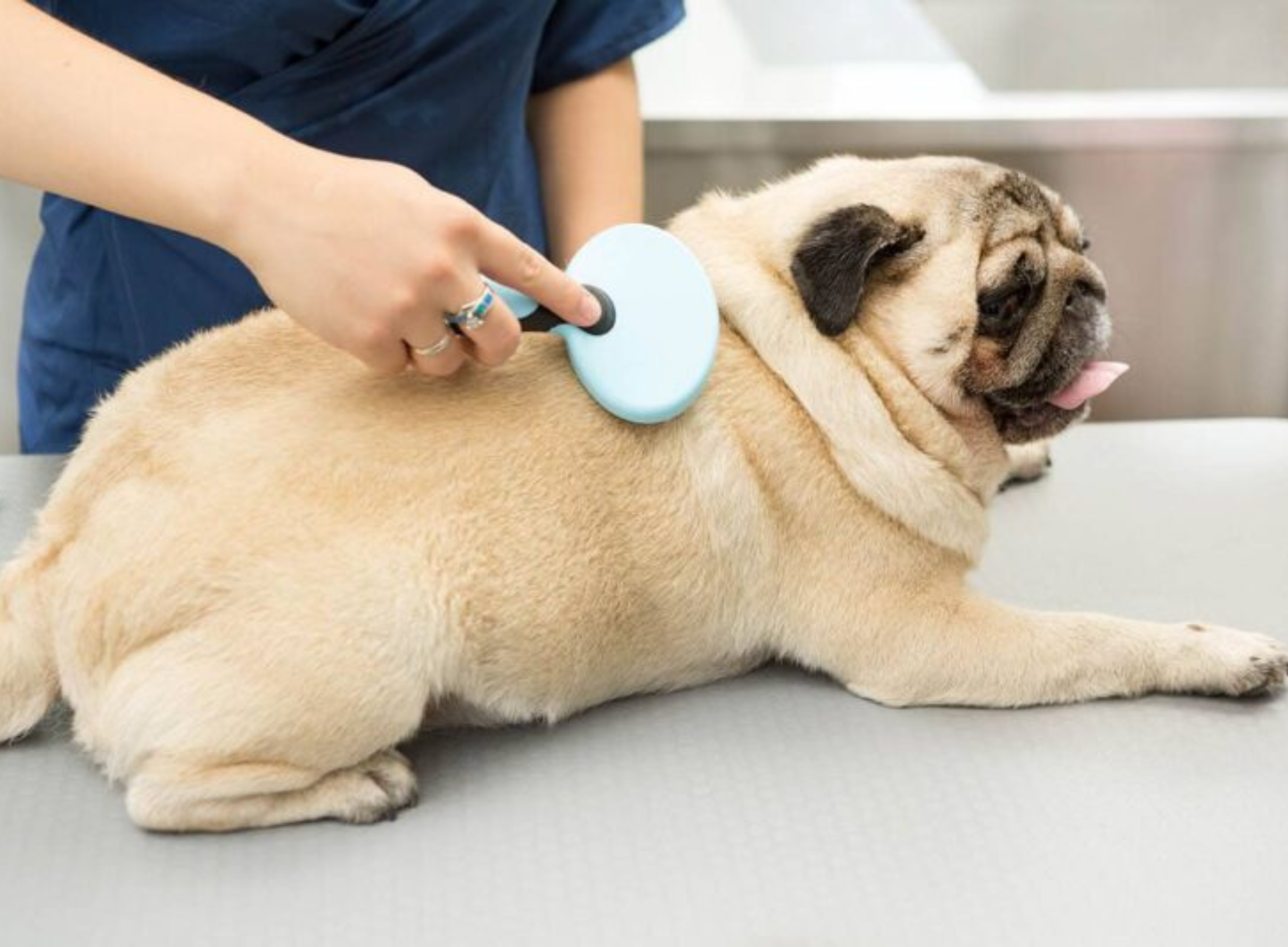
- Wipe out pug 3-4 times a week.
- Wash once every 4- 6 weeks using recommended shampoo by the veterinarian.
- Wipe up wrinkles on face using unscented wipes every day.
- Outsource the duties of grooming to the family members who are not allergic.
- Use mask when brushing teeth.
Cleaning Routines
- Vacuum a minimum of two times per week using a HEPA -filter vacuum.
- Clean pug bedding with hot water once in a week.
- clean surfaces with wet microfiber cloths.
- Apply allergen eliminating sprays on furniture.
- Wipe floors that are allergic with de-allergenic cleaners.
The Pug Allergy Mistakes that People Make
Thinking Short Hair Means Less Shedding
- Pugs lose even as much or more than most long-haired breeds. Their two coats shed hair with dander particles on a regular basis.
Not doing pre-adoption Allergy Testing
- A short meeting and greeting will not show how you will respond to the exposure every day. Play with pugs on several occasions and spend several hours together. Volunteer to rescue pugs or volunteer to take care of one of your friends.
Bathing your Pug too much
- Too much bathing can strip the natural oils of the skin which means that they may produce more dander. The 4-6 week schedule is not to be disobeyed, unless suggested by your vet.
Use of Generic Air Filters
- Normal HVAC filters are not able to trap small dander particles. Install new medical-grade filters that are meant to eliminate allergens.
Overlooking the Personality Differences
- Certain individuals are more responsive to certain kind of dogs even of the same breed. You should always try to encounter the real pug before you buy it.
Helpful Hints on Allergy Sufferers to Think About Pugs.
Consider Immunotherapy
The gradually developed allergy shots desensitize the immune system gradually to the proteins of dogs. A large fraction of the people improve significantly in 6-12 months of treatment. Talk about this option with your allergist and then adopt.
Create a Medical Support System
- Antihistamines should be at hand.
- Ask the doctor about nasal sprays which are prescribed.
- Think about allergies drugs daily as a prophylaxis.
- Check symptoms and change strategies.
Test Multiple Pugs:
There is a difference in the levels of allergens in individual dogs. You may put up with a pug better than with another, though they may belong to the same litter.
Start Slow:
Nurture a pug and then adopt it. This trial period brings out whether you can be able to cope with symptoms over the long run.
Allergies to Pugs and Frequently Asked Questions
Q: Does adult pugs become less aggressive to allergies than pug puppies?
No. Puppies are not different in terms of the production of proteins. This may not initially cause such an easy reaction since a smaller puppy causes a lesser amount of total dander, but the symptoms normally get more as they get bigger.
Q: Will grooming get me completely pug free?
Grooming lowers the level of allergens considerably but never removes them completely. Even perfectly-kept pugs continue to use dander and saliva proteins which cause reactions.
Q: I will ever develop immunity towards my pug?
Others also tend to have fewer symptoms after months of exposure, although this is not that reliable. Their allergies deteriorate in others. Thou shalt not trust in growing tolerant.
Q: Are the female pugs less allergic than the males?
Studies have indicated that intact males generate a little more allergens although the variation is insignificant. Neutering and spaying the dog could slightly decrease protein synthesis, but this should not be a factor.
Q: What is the best vacuum to use when shedding the pugs?
Select sealed HEPA filtrated vacuums and high suction. Find models that are specifically compatible with pet hair having a motorized roll of brushes in carpets and crevice tools in upholstered furniture.
The Right Decision to Make in Your Health
Pugs provide terrific companionship, unlimited entertainment and undying loyalty. They are however, not really fit in individuals with moderate to severe dog allergies.
Be rational regarding your symptoms and the level of tolerance. Should you have reactions so strong, such as difficulty in breathing, continuing rashes, chronic sinus infections, you can do without truly low-shedding breeds.
The health is more important than an individual breed
In the case of mildly allergic people who are ready to spend time and efforts on the management strategies, it can be possible to share your life with a pug. This is a 12-15 year commitment that you should consult your allergist as well as a veterinarian.
There is also a reminder that the point is not only to take home a pug but to make it a lasting sustainable and healthy environment where you and your dog can be able to live and further more in the coming years.